

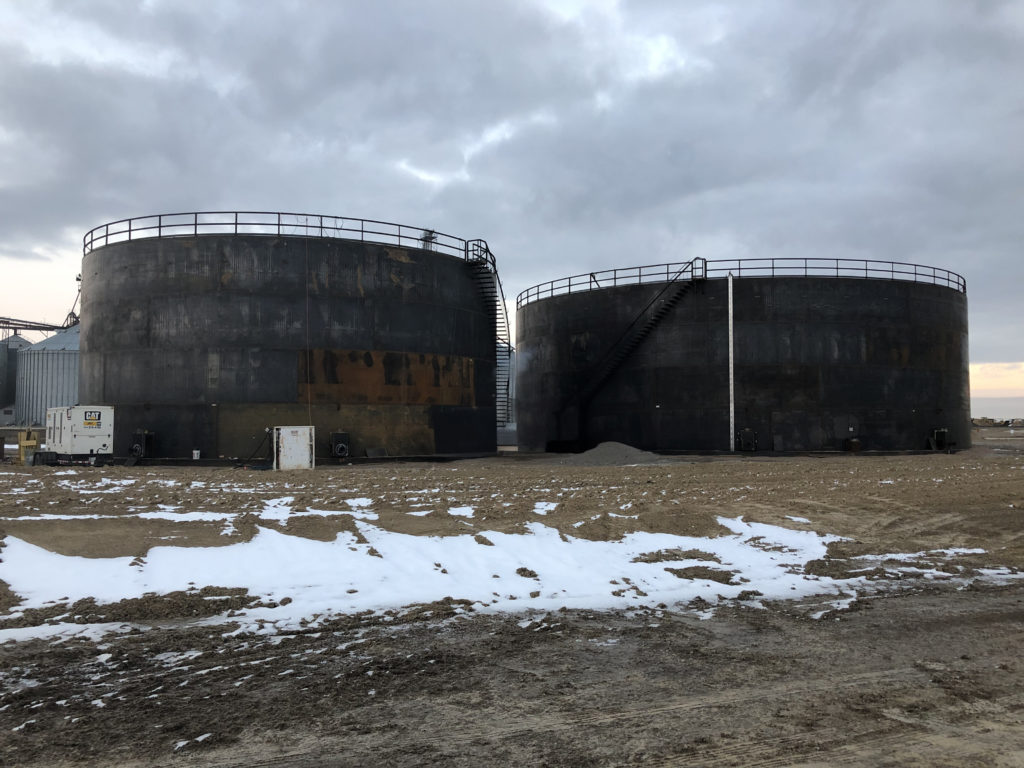
When temperatures drop below freezing, winterize storage tanks face serious risks that can lead to costly downtime, structural damage, and safety hazards. Whether your facility stores water, chemicals, fuel, or other liquids, winter weather can cause frozen contents, cracked walls, failed valves, and burst piping. Without proper preparation, even a single cold snap can result in repairs that cost thousands of dollars.
That’s why smart facility managers take proactive steps to winterize storage tanks before winter fully sets in. A well-planned winterization strategy protects your equipment, maintains operational efficiency, and prevents emergencies during the coldest months of the year.
In this guide, we’ll walk through exactly how to winterize storage tanks effectively, including insulation, heating, inspections, and ongoing maintenance practices that keep your system running smoothly all season long.
Why Winterization Matters
Freezing temperatures create multiple threats to winterize storage tanks:
- Liquid expansion that cracks tank walls
- Frozen valves and fittings
- Burst pipes and transfer lines
- Condensation that leads to corrosion
- Equipment failures that halt operations
Water expands nearly 9% when frozen, which places extreme pressure on tank interiors and fittings. Even tanks storing chemicals or fuel can experience viscosity changes or partial freezing that disrupts flow and damages components.
Winterization isn’t just preventative — it’s a cost-saving strategy. The expense of insulation and heating is minimal compared to emergency repairs, lost product, environmental cleanup, or liability claims.
Step 1: Inspect Tanks Before Cold Weather Arrives
Preparation starts with a thorough inspection. Identify vulnerabilities before temperatures drop.
Check for:
- Existing cracks or corrosion
- Loose fittings or connections
- Aging seals and gaskets
- Exposed pipes and valves
- Drainage issues around the tank base
Even small structural weaknesses can worsen under freezing stress. Addressing minor repairs early prevents larger failures later.
It’s also important to confirm that gauges, sensors, and monitoring equipment are functioning correctly. Winter storms can make emergency access difficult, so you want accurate readings at all times.
Step 2: Add Proper Insulation
Insulation is one of the most effective ways to winterize storage tanks. It slows heat loss, keeps liquids above freezing, and reduces energy costs if heating systems are used.
Common insulation options include:
Blanket or Jacket Insulation
Flexible insulation wraps that fit around tanks and are easy to install or remove. Ideal for seasonal protection.
Rigid Foam Boards
Durable panels that provide higher thermal resistance and work well for permanent installations.
Spray Foam
Creates an airtight seal and eliminates gaps, helping prevent cold air infiltration.
Insulated Covers for Valves and Fittings
Often overlooked, valves and connections freeze first. Protective covers keep these critical points functional.
Make sure insulation is moisture-resistant. Wet insulation loses effectiveness and can promote corrosion.
Step 3: Install Tank Heating Systems
In extremely cold climates, insulation alone may not be enough. Adding heat ensures liquids stay within safe operating temperatures.
Heating solutions include:
Heat Trace Cables
Electric cables wrapped around pipes and tanks to provide consistent warmth. Great for transfer lines and smaller tanks.
Immersion Heaters
Installed inside the tank to maintain liquid temperature directly.
External Heating Pads
Attached to tank walls for controlled surface heating.
Heated Enclosures
For sensitive equipment or small tanks, fully enclosed heated shelters provide maximum protection.
Use thermostats or automated controls to maintain safe temperatures while minimizing energy use.
Step 4: Protect Pipes, Pumps, and Valves
Winterize Storage tanks don’t operate alone. The supporting system is often where freezing occurs first.
Don’t forget to winterize storage tanks:
- Transfer piping
- Pumps
- Flow meters
- Pressure relief valves
- Drain lines
Insulate and heat trace exposed piping. Install freeze-resistant valves when possible. Drain or blow out unused lines to prevent standing liquid from freezing.
A frozen pipe can halt operations even if the tank itself remains intact.
Step 5: Manage Water and Condensation
Condensation becomes a bigger problem in winter due to temperature differences between tank interiors and outside air. Moisture buildup can lead to:
- Internal corrosion
- Contamination
- Reduced product quality
To minimize condensation:
- Keep tanks as full as possible to reduce air space
- Use desiccant breathers
- Seal vents properly
- Conduct regular moisture checks
For fuel and chemical tanks, water contamination can cause significant operational issues. Routine testing and drainage help maintain product integrity.
Step 6: Maintain Proper Site Drainage
Snow and ice accumulation around tanks can create additional stress and hazards.
Ensure:
- Snow is cleared regularly
- Drainage systems prevent water pooling
- Tank foundations stay dry
- Ice buildup is removed safely
Standing water that freezes around the base may compromise structural stability or make maintenance dangerous for workers.
Keeping the surrounding area clean and accessible also improves safety during inspections or emergency repairs.
Step 7: Implement a Winter Maintenance Schedule
Winterization isn’t a one-time task. Ongoing monitoring ensures systems keep working through fluctuating weather conditions.
Create a maintenance plan that includes:
- Weekly visual inspections
- Temperature monitoring
- Insulation checks
- Heating system tests
- Leak detection
- Snow and ice removal
Assign responsibilities to team members and document inspections. Catching problems early can prevent downtime.
Facilities that consistently monitor equipment see fewer failures and lower repair costs.
Step 8: Train Staff on Cold Weather Procedures
Your team plays a critical role in protecting equipment.
Provide training on:
- Identifying freeze risks
- Proper de-icing methods
- Emergency shut-off procedures
- Safe snow removal
- Reporting warning signs
Well-trained staff can respond quickly before small issues escalate.
For example, noticing reduced flow or unusual pressure changes might signal partial freezing that needs immediate attention.
Step 9: Consider Professional Support
For larger industrial facilities, partnering with experienced service providers can simplify the process. Professionals can assess your system, recommend insulation or heating upgrades, and perform preventive maintenance.
They also bring specialized tools and expertise that reduce the risk of improper installation.
If your tanks store critical or hazardous materials, expert oversight adds an extra layer of protection and compliance.
Final Thoughts
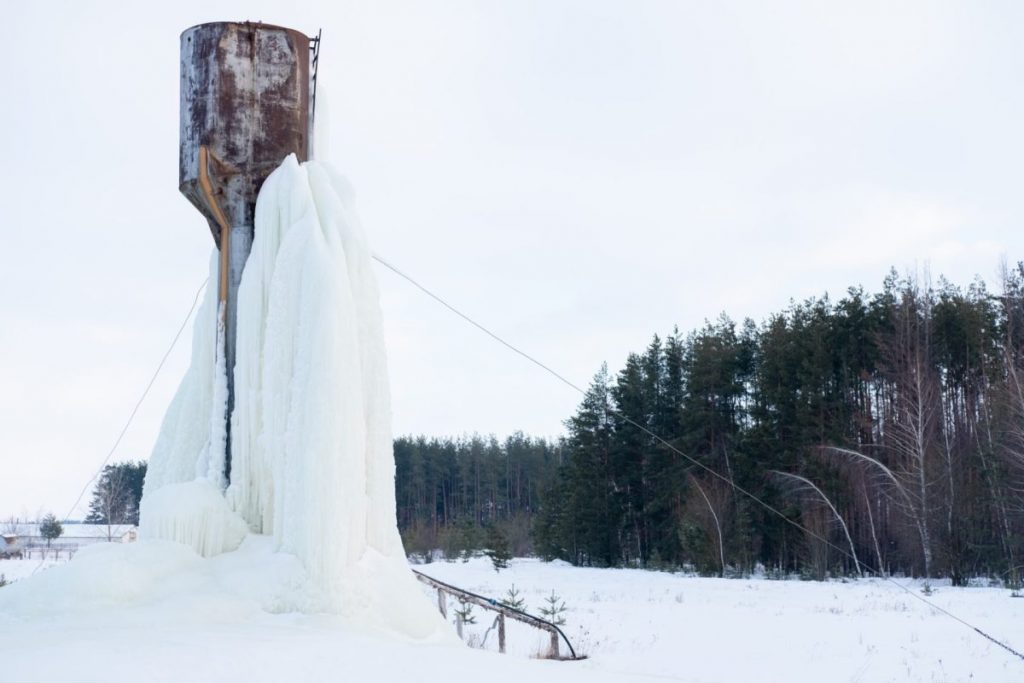
Winter weather doesn’t have to threaten your operations. With proper planning and preventive care, you can winterize storage tanks effectively and avoid freezing damage, costly repairs, and unexpected downtime.
Start with inspections, add insulation and heating, protect connected systems, and maintain a consistent monitoring schedule. These steps work together to safeguard your equipment and keep your facility running smoothly all winter long.
A small investment today can prevent major problems tomorrow — and when temperatures drop, you’ll have peace of mind knowing your winterize storage tanks are ready for whatever winter brings.