

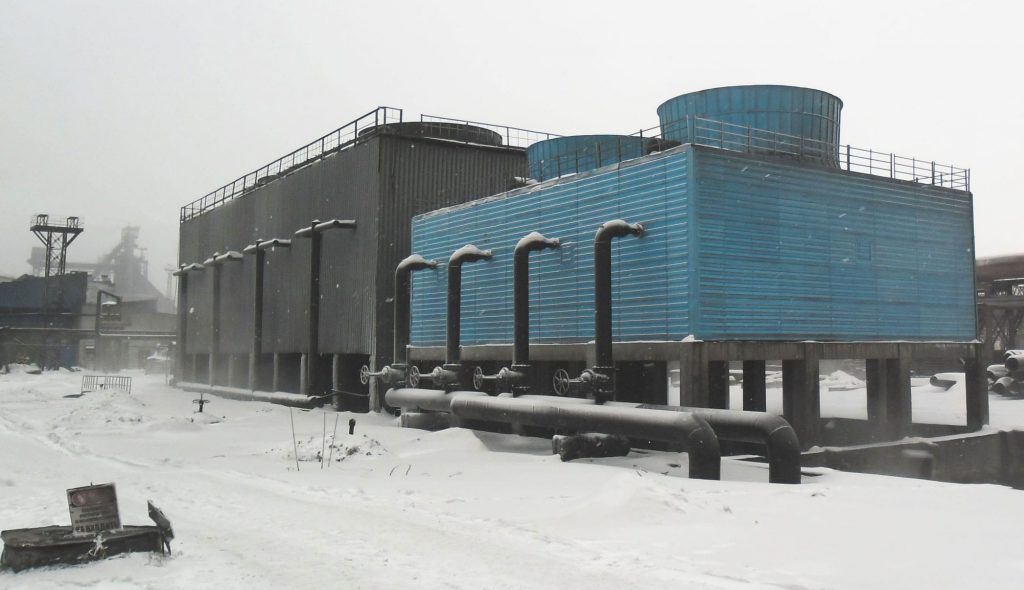
Cold weather can be brutal on commercial HVAC equipment, and cooling towers are often the first systems to feel the impact. Freezing temperatures, ice buildup, and fluctuating loads create serious operational risks that can quickly turn into downtime, expensive repairs, or even full system failure.
If you manage a commercial or industrial facility, understanding common cooling tower winter problems — and knowing how to fix them fast — can save thousands in emergency costs and protect your equipment all season long.
The good news? Most winter issues are preventable with smart preparation, quick inspections, and timely action. In this guide, we’ll break down the most frequent cold-weather cooling tower problems and the fastest ways to solve them.
Why Cooling Towers Struggle in Winter
Cooling towers are designed to remove heat through evaporation. But when outdoor air drops below freezing, that same process increases the chance of ice formation.
Low water flow, idle equipment, and exposure to cold air make towers vulnerable to:
- Frozen basins
- Ice accumulation
- Blocked airflow
- Damaged piping
- Mechanical strain
These cooling tower winter problems don’t just reduce efficiency — they can shut down your entire system if not addressed quickly.
Let’s look at the most common issues and how to fix them.
Problem #1: Frozen Basin Water
Why it happens
The cooling tower basin holds standing water. When pumps slow down or stop, that water freezes fast, potentially cracking the basin or damaging pumps.
Fast fix
- Install or activate basin heaters
- Keep water circulating continuously
- Check heater thermostats
- Remove ice buildup immediately
Prevention tip
Adding automatic basin heaters is one of the most reliable ways to prevent winter freezing. If you frequently face cooling tower winter problems, this upgrade pays for itself quickly.
Problem #2: Ice Buildup on Fill and Louvers
Why it happens
Cold air combined with high airflow causes water droplets to freeze on internal components. Ice blocks airflow and reduces heat exchange efficiency.
Fast fix
- Reduce or cycle fan speed
- Temporarily shut fans off
- Manually remove heavy ice
- Increase water temperature slightly
Prevention tip
Use variable frequency drives (VFDs) to control fan speeds. Slower airflow reduces ice formation while still maintaining performance.
Problem #3: Cracked or Burst Pipes
Why it happens
Water expands as it freezes. Any stagnant water in exposed piping can cause pipes or valves to crack or burst.
Fast fix
- Shut down affected sections
- Replace damaged pipes
- Drain water from idle lines
- Add temporary heat tracing
Prevention tip
Insulate all exposed piping and install heat tracing cables. This simple step eliminates one of the most expensive cooling tower winter problems.
Problem #4: Pump Failure
Why it happens
Pumps can freeze internally or struggle to circulate icy water, leading to seal damage or motor strain.
Fast fix
- Thaw frozen components safely
- Inspect seals and bearings
- Verify proper lubrication
- Restore continuous flow
Prevention tip
Never allow pumps to sit idle in freezing temperatures. Continuous circulation protects internal components and improves reliability.
Problem #5: Uneven Water Distribution
Why it happens
Clogged nozzles or frozen spray patterns prevent water from distributing evenly across the fill. This creates dry spots that freeze faster and reduce efficiency.
Fast fix
- Clean or replace nozzles
- Remove debris
- Flush distribution lines
- Restore proper spray patterns
Prevention tip
Routine cleaning before winter reduces blockages and helps maintain consistent flow.
Problem #6: Excessive Energy Consumption
Why it happens
When ice blocks airflow or fans run unnecessarily at high speeds, the system works harder than needed, driving up energy bills.
Fast fix
- Adjust fan speeds
- Calibrate controls
- Remove ice obstructions
- Optimize water temperature setpoints
Prevention tip
Smart controls and regular monitoring help maintain efficient winter operation while minimizing costs.
Facilities that proactively manage cooling tower winter problems often see lower energy usage even during peak cold months.
Problem #7: Corrosion and Scale Buildup
Why it happens
Poor water chemistry can accelerate corrosion and scale, especially when winter heaters and low flow rates are involved.
Fast fix
- Test water chemistry
- Adjust pH levels
- Add treatment chemicals
- Clean scaled components
Prevention tip
Partner with a water treatment specialist to maintain balanced chemistry year-round.
Clean systems perform better and are less likely to freeze or fail.
Problem #8: Sudden System Shutdowns
Why it happens
Unaddressed winter issues can compound quickly, causing emergency shutdowns that disrupt building operations.
Fast fix
- Conduct a full inspection
- Identify root causes
- Restart gradually
- Replace damaged components
Prevention tip
Schedule regular winter inspections and preventive maintenance to catch small problems before they escalate.
Daily Winter Inspection Checklist
To minimize cooling tower winter problems, build a quick daily routine:
- Check basin temperature
- Look for visible ice
- Verify heater operation
- Inspect fans and motors
- Monitor water flow
- Confirm proper chemical treatment
These five-minute checks can prevent hours of downtime later.
When to Call a Professional
Some issues require more than quick fixes. If you notice persistent freezing, mechanical failures, or repeated shutdowns, it’s time to bring in experts.
Professional technicians can:
- Perform detailed inspections
- Test controls and heaters
- Optimize winter performance
- Identify hidden risks
- Provide emergency repairs
Expert service helps protect your investment and ensures reliable operation through the coldest months.
Final Thoughts
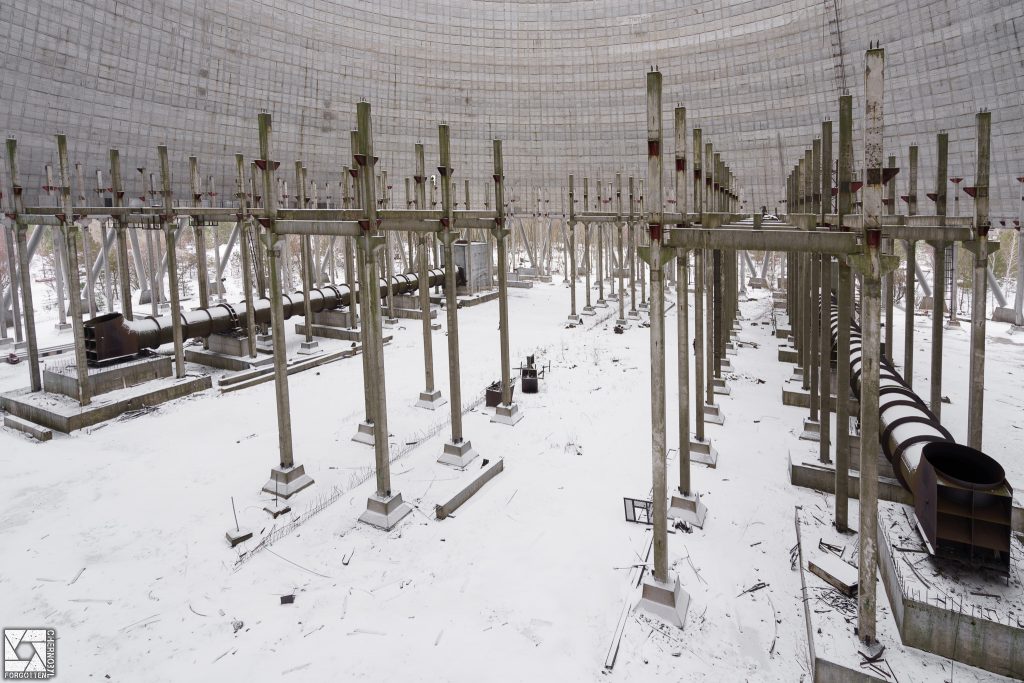
Winter doesn’t have to mean constant headaches for your cooling system. Most cooling tower winter problems are predictable — and preventable — with the right preparation and fast action.
By keeping water moving, controlling airflow, protecting piping, and monitoring daily conditions, you can avoid costly repairs and maintain smooth operation all season long.
The key is simple: don’t wait for freezing temperatures to cause damage. Stay proactive, respond quickly, and your cooling tower will remain efficient, reliable, and ready for whatever winter throws your way.