

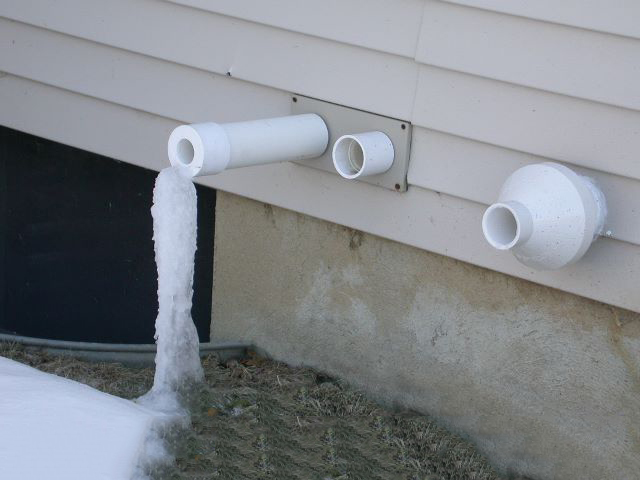
Winter weather can be tough on industrial facilities — and storage tanks are often the first assets to feel the strain. Freezing temperatures, snow buildup, condensation, and fluctuating pressure levels all create risks that can lead to cracked tanks, frozen valves, damaged piping, and costly downtime.
For operations managers and maintenance teams, winter isn’t just another season — it’s a critical period that demands proactive planning. Without a clear strategy, even a small cold-weather issue can escalate into production delays, environmental hazards, or expensive emergency repairs.
That’s where a structured winter tank maintenance plan makes all the difference.
This practical checklist will help you protect your tanks, maintain efficiency, and keep your facility running safely and smoothly all winter long.
Why Winter Tank Maintenance Matters
Cold temperatures impact both the structural integrity of tanks and the performance of the materials inside them.
Here’s what can go wrong without preparation:
- Liquids freeze and expand, causing cracks or ruptures
- Valves and fittings seize or fail
- Pipes burst due to ice blockages
- Condensation increases internal corrosion
- Pumps and gauges malfunction
- Snow and ice create safety hazards for crews
Each of these problems can result in unplanned shutdowns, lost product, and safety risks.
Preventive winter tank maintenance is far more affordable than reactive repairs. A little preparation protects equipment, extends asset life, and keeps your team out of emergency mode.
The Ultimate Winter Tank Maintenance Checklist
Use this step-by-step checklist to prepare your facility before temperatures drop — and to stay ahead of issues throughout the season.
✅ 1. Perform a Full Tank Inspection
Start with a detailed visual and structural assessment.
Look for:
- Cracks or dents in tank walls
- Rust or corrosion spots
- Loose bolts or fittings
- Seal or gasket wear
- Signs of leaks
Cold weather magnifies existing weaknesses. Small defects can quickly become major failures when materials contract and liquids freeze.
Document findings and make repairs immediately before winter conditions worsen.
✅ 2. Insulate Tanks Properly
Insulation is your first line of defense against freezing.
Proper insulation:
- Reduces heat loss
- Maintains stable temperatures
- Prevents freezing
- Lowers heating costs
Common insulation solutions include:
- Tank blankets or jackets
- Rigid foam boards
- Spray foam coatings
- Insulated valve covers
Focus on exposed surfaces, manways, and fittings — these areas lose heat fastest.
If insulation is damaged or waterlogged, replace it. Wet insulation loses effectiveness and can accelerate corrosion.
✅ 3. Install or Test Heating Systems
In colder climates, insulation alone may not keep liquids above safe temperatures. Supplemental heating is often necessary.
Check and test:
- Heat tracing cables
- Heating pads
- Immersion heaters
- Temperature sensors and thermostats
Ensure systems activate properly and maintain consistent heat levels.
Automated controls are especially helpful because they adjust heating output based on conditions, preventing both freezing and wasted energy.
If heating equipment hasn’t been inspected recently, schedule servicing before winter begins.
✅ 4. Protect Pipes and Transfer Lines
Even if your tank is well protected, exposed piping can freeze first and stop operations.
Inspect and protect:
- Transfer lines
- Drain lines
- Valves
- Pumps
- Flow meters
Add insulation and heat tracing where necessary. Drain lines that aren’t in use to eliminate standing liquid.
A frozen pipe can cause pressure buildup that damages the entire system — not just the line itself.
✅ 5. Check Tank Levels Regularly
Keeping tanks partially empty during winter can increase condensation and freezing risks.
Whenever possible:
- Maintain consistent fill levels
- Avoid long periods of low volume
- Monitor temperature-sensitive materials
Fuller tanks reduce air space, which limits moisture buildup and temperature fluctuations.
This simple practice helps protect product quality and reduces internal corrosion.
✅ 6. Control Condensation and Corrosion
Winter temperature swings often create condensation inside tanks. Moisture buildup accelerates corrosion and can contaminate stored materials.
To prevent this:
- Install desiccant breathers
- Seal vents properly
- Use corrosion-resistant coatings
- Conduct routine water checks
For fuel or chemical tanks, remove any accumulated water immediately.
Corrosion can silently weaken tank walls, so consistent monitoring is essential for long-term reliability.
✅ 7. Clear Snow and Ice from Tank Areas
Snow and ice aren’t just cosmetic problems — they add weight, trap moisture, and create safety risks.
Make sure to:
- Remove snow from tank tops
- Keep access paths clear
- Prevent ice buildup around bases
- Maintain proper drainage
Standing water that freezes around foundations can stress supports and make inspections dangerous for winter tank maintenance teams.
A clean, dry work area improves both safety and efficiency.
✅ 8. Test Monitoring Equipment
Cold weather can affect electronics and sensors just as much as mechanical components.
Verify that:
- Temperature gauges are accurate
- Pressure sensors function properly
- Level indicators are reliable
- Alarm systems are active
Faulty readings during winter can hide serious problems until it’s too late.
Routine testing ensures you always have dependable data for decision-making.
✅ 9. Schedule Routine Winter Inspections
Winter tank maintenance care isn’t a one-time task. Conditions change quickly, especially during storms or sudden freezes.
Set a winter tank maintenance schedule:
- Weekly visual inspections
- Temperature checks
- Insulation reviews
- Leak detection
- Heating system verification
After extreme weather events, perform extra checks.
Consistent monitoring catches small issues early — before they become expensive emergencies.
✅ 10. Train Your Winter Tank Maintenance Team
Your crew is your first line of defense.
Make sure staff know how to:
- Spot freeze risks
- Safely remove ice
- Report abnormalities
- Shut down systems if necessary
- Follow winter safety protocols
Well-trained employees respond faster and prevent minor problems from escalating.
Clear communication and documented procedures improve response times and reduce liability.
Bonus Tip: Consider Professional Support
For large or complex facilities, partnering with experienced winter tank maintenance specialists can streamline winter prep.
Professionals can:
- Conduct detailed inspections
- Install insulation and heating systems
- Provide preventive winter tank maintenance
- Handle emergency repairs
If your tanks store critical or hazardous materials, expert support adds an extra layer of protection and compliance.
Final Thoughts
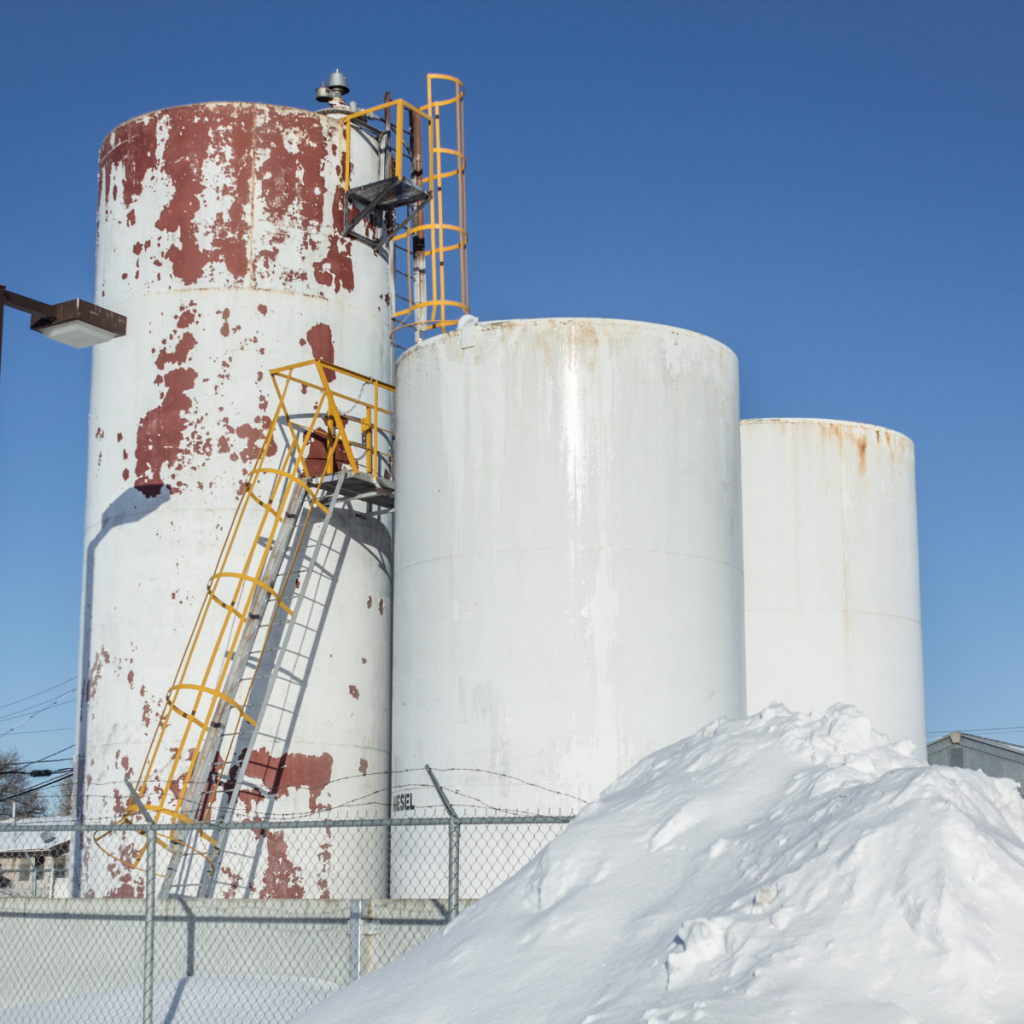
Cold weather doesn’t have to mean equipment failures or costly downtime. With a proactive winter tank maintenance strategy, industrial facilities can protect their assets, maintain efficiency, and keep operations running safely all season long.
By following this checklist — inspecting tanks, adding insulation, protecting pipes, controlling moisture, and scheduling routine monitoring — you significantly reduce the risk of freezing and damage.
Preparation is always cheaper than repairs. Take the time to winterize now, and you’ll save money, stress, and lost productivity when temperatures drop.
When winter hits, you’ll be ready — not reacting.