

When it comes to installing, repairing, or maintaining gas systems, safety and expertise are non-negotiable. Whether you own a home, manage a commercial facility, or oversee industrial operations, professional gas fitting services play a critical role in ensuring safety, efficiency, and regulatory compliance.
Gas systems power essential appliances such as furnaces, boilers, water heaters, stoves, fireplaces, and industrial equipment. However, improper installation or poor maintenance can lead to serious hazards, including gas leaks, fires, carbon monoxide poisoning, and costly property damage. That’s why working with qualified professionals is always the safest and smartest choice.
In this comprehensive guide, we’ll explore everything you need to know about gas fitting services for both residential and commercial properties.
What Are Gas Fitting Services?
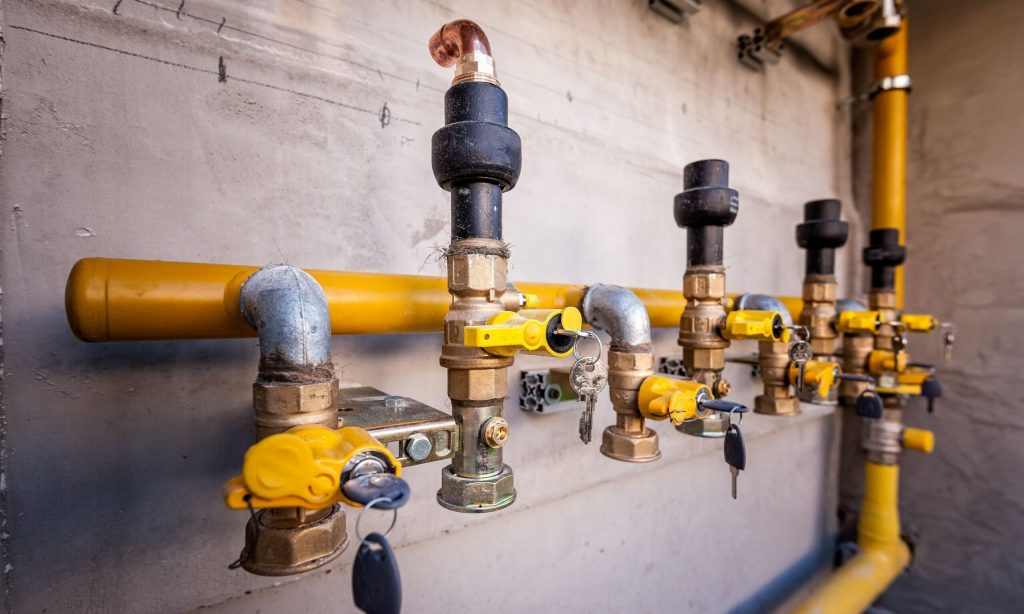
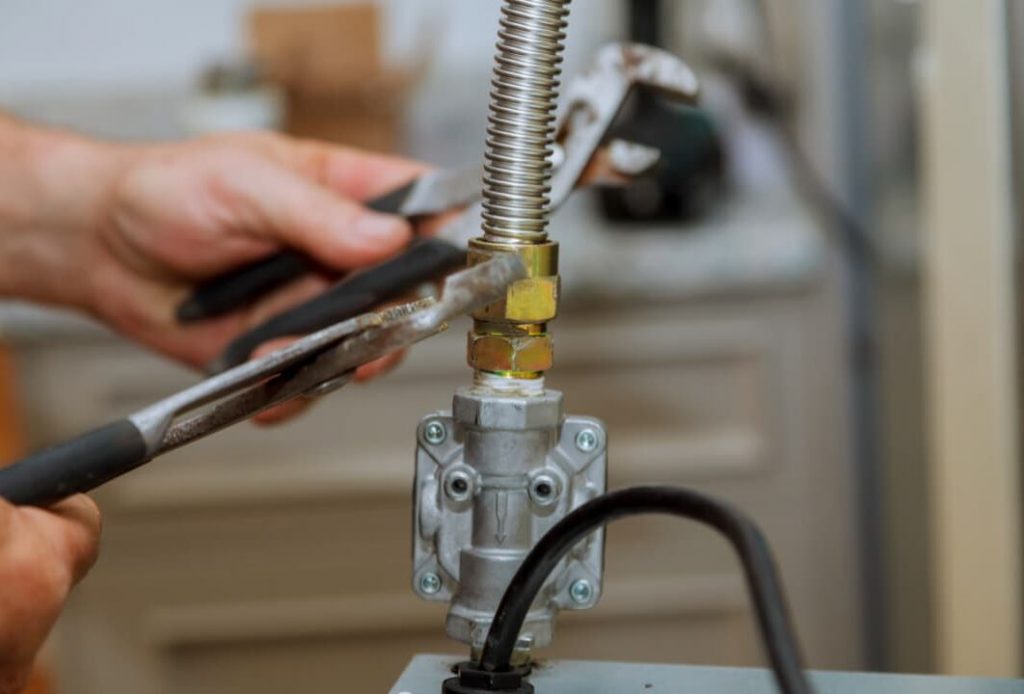
Gas fitting services involve the installation, repair, inspection, and maintenance of gas piping systems and gas-powered appliances. These services ensure that natural gas or propane systems function safely and efficiently.
Professional gas fitters are trained to:
- Install new gas lines
- Repair damaged or leaking pipes
- Connect gas appliances
- Upgrade outdated piping systems
- Perform safety inspections
- Ensure compliance with local building codes
Because gas systems are highly sensitive and potentially dangerous, gas fitting should only be handled by licensed and experienced professionals.
Why Professional Gas Fitting Services Matter
Gas work is not a DIY project. Hiring professional gas fitting services provides several important benefits:
1. Safety First
Gas leaks can cause explosions or carbon monoxide exposure. Certified gas fitters use specialized tools and leak detection equipment to ensure systems are safe and secure.
2. Code Compliance
Residential and commercial properties must meet strict building and safety codes. Professional gas fitting ensures your installation complies with local regulations and inspection requirements.
3. Long-Term Cost Savings
Proper installation reduces the risk of future breakdowns and expensive emergency repairs. Well-maintained gas systems also operate more efficiently, lowering energy bills.
4. Insurance Protection
Insurance companies may deny claims related to gas damage if the system was not installed by a licensed professional. Using qualified gas fitting services protects your investment.
Residential Gas Fitting Services
Homeowners rely on gas systems daily. From heating systems to kitchen appliances, gas plays a major role in comfort and functionality.
Common Residential Services Include:
- Gas line installation for stoves, ovens, and BBQs
- Furnace and boiler gas connections
- Water heater installation
- Gas fireplace setup
- Outdoor kitchen gas piping
- Gas leak detection and repair
When Should Homeowners Call a Gas Fitter?
You should contact professional gas fitting services if you notice:
- The smell of rotten eggs (a common sign of gas leaks)
- Hissing sounds near gas lines
- Unusually high gas bills
- Pilot lights that frequently go out
- Corrosion or visible damage to pipes
Immediate action can prevent serious hazards and costly repairs.
Commercial Gas Fitting Services
Commercial properties often require more complex gas piping systems due to higher usage demands and larger equipment.
Examples of Commercial Applications:
- Restaurants with commercial-grade cooking equipment
- Hotels with centralized water heating systems
- Manufacturing facilities using gas-powered machinery
- Office buildings with large heating systems
- Warehouses with industrial heaters
Commercial gas fitting services require careful system design, proper pipe sizing, pressure regulation, and strict adherence to safety standards. Any mistake in a commercial setting can disrupt operations, lead to code violations, or create safety risks for employees and customers.
Gas Line Installation Process
Understanding how professional gas fitting works can give property owners peace of mind.
Step 1: Site Assessment
A licensed gas fitter evaluates the property layout, appliance requirements, and existing infrastructure.
Step 2: System Design
The fitter determines proper pipe sizing, material selection, and routing to ensure optimal pressure and efficiency.
Step 3: Installation
Pipes are installed using approved materials such as black iron, copper, or CSST (corrugated stainless steel tubing). All connections are secured and sealed properly.
Step 4: Pressure Testing
Before activation, the system undergoes pressure testing to detect leaks and verify integrity.
Step 5: Inspection & Approval
In many regions, a building inspector must approve the installation before it becomes operational.
Gas System Maintenance and Inspections
Routine maintenance is a critical part of professional gas fitting services. Regular inspections help identify minor issues before they become dangerous problems.
Benefits of Routine Maintenance:
- Early leak detection
- Improved appliance efficiency
- Reduced risk of carbon monoxide buildup
- Extended lifespan of gas equipment
- Compliance with safety regulations
Commercial properties, in particular, benefit from scheduled inspections to prevent business interruptions and liability risks.
Emergency Gas Fitting Services
Gas emergencies require immediate attention. If you suspect a gas leak:
- Evacuate the building immediately.
- Do not turn on lights or electrical devices.
- Call emergency services.
- Contact a licensed gas fitter for inspection and repair.
Professional gas fitting services often offer emergency response to quickly identify and resolve dangerous situations.
Choosing the Right Gas Fitting Service Provider
Not all contractors are equal. When selecting a provider, consider the following:
1. Licensing and Certification
Always verify that the contractor is licensed and certified to perform gas work in your area.
2. Experience
Look for a company with experience in both residential and commercial gas systems.
3. Insurance Coverage
Ensure they carry liability insurance and worker’s compensation coverage.
4. Transparent Pricing
Reputable companies provide clear estimates and explain the scope of work before starting.
5. Customer Reviews
Positive testimonials and reviews indicate reliable service and professionalism.
The Risks of DIY Gas Work
Attempting to install or repair gas lines without proper training can result in:
- Gas leaks
- Explosions
- Fire hazards
- Health risks from carbon monoxide
- Legal penalties for code violations
Professional gas fitting services eliminate these risks and ensure your property remains safe and compliant.
Final Thoughts
Gas systems are essential to modern residential and commercial properties, but they require expert handling. From new installations and system upgrades to emergency repairs and routine inspections, professional gas fitting services provide the safety, efficiency, and compliance every property owner needs.
Investing in qualified gas fitters protects your property, reduces long-term costs, and gives you peace of mind knowing your gas systems are operating safely and effectively.
If you’re planning a new gas installation or need maintenance on an existing system, don’t compromise on safety. Partner with experienced professionals who specialize in gas fitting services and ensure your residential or commercial property remains secure and efficient for years to come.