

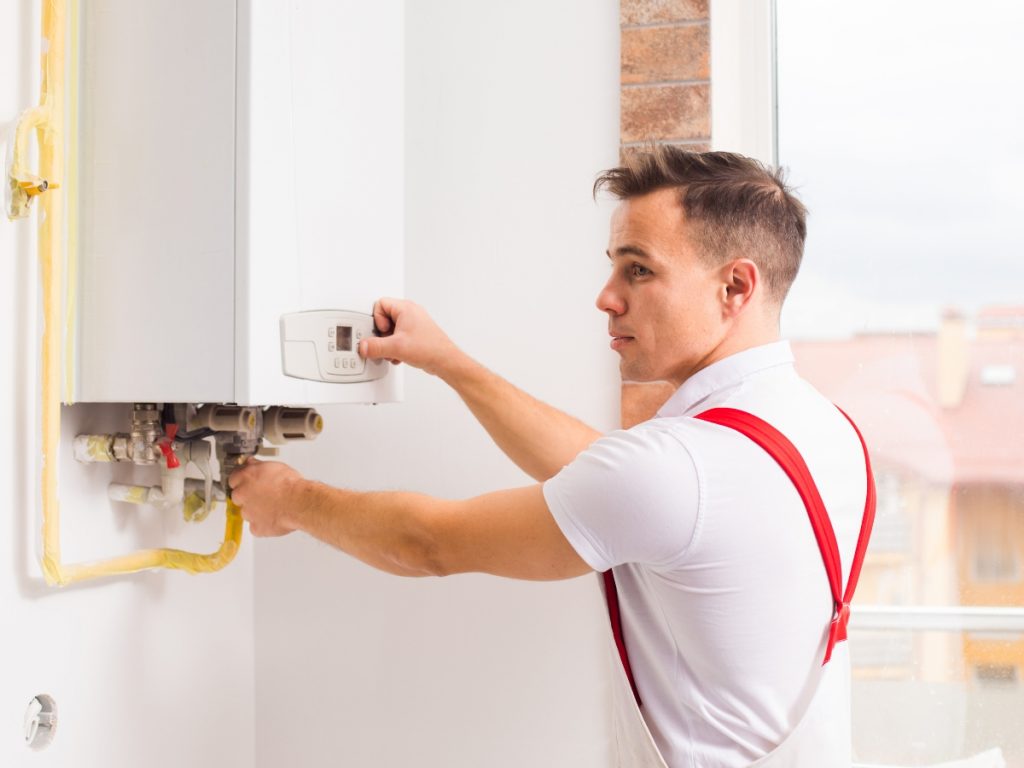
When planning a home upgrade that involves gas appliances—such as a new stove, furnace, water heater, or outdoor kitchen—understanding the basics of gas piping installation is essential. Gas systems are highly efficient and reliable, but they must be installed correctly to ensure safety, compliance, and long-term performance.
Before starting any project involving gas lines, homeowners should understand how gas piping works, why professional installation is critical, and what to expect during the process. This guide will walk you through everything you need to know about gas piping installation so you can make informed decisions for your home.
What Is Gas Piping Installation?
Gas piping installation refers to the process of designing, running, connecting, and testing gas lines that supply natural gas or propane to appliances within a home. These pipes safely transport fuel from the main gas supply to appliances such as:
- Furnaces
- Boilers
- Water heaters
- Gas stoves and ovens
- Fireplaces
- Clothes dryers
- Outdoor grills
- Pool heaters
A properly completed gas piping installation ensures safe gas flow, correct pressure levels, and reliable appliance performance.
Why Proper Gas Piping Installation Is So Important
Gas is a powerful and efficient energy source—but it can also be dangerous if handled improperly. Poor installation can lead to:
- Gas leaks
- Fire hazards
- Explosions
- Carbon monoxide exposure
- Failed inspections
- Expensive repairs
Hiring a licensed professional for your gas piping installation significantly reduces these risks. Certified gas fitters follow strict building codes, perform pressure tests, and ensure every connection is sealed properly.
Common Reasons Homeowners Need Gas Piping Installation
There are several situations where homeowners may require new or modified gas piping:
1. Installing New Appliances
Upgrading to a gas stove or converting from electric to gas heating often requires extending or installing new gas lines.
2. Home Renovations or Additions
Kitchen remodels, basement developments, or adding a backyard BBQ station may require additional gas connections.
3. Replacing Old or Corroded Pipes
Older homes may have outdated gas lines that need upgrading for safety and efficiency.
4. Increasing Gas Capacity
Adding multiple appliances may require pipe resizing to handle higher gas demand.
Understanding your home’s gas capacity is a crucial step in safe gas piping installation.
Types of Gas Piping Materials
Professionals use different piping materials depending on local building codes and project requirements:
Black Iron Pipe
One of the most common materials for gas piping. Durable and strong, it is widely used in residential installations.
Copper Pipe
Sometimes used for propane systems, though local codes may restrict its use for natural gas.
CSST (Corrugated Stainless Steel Tubing)
Flexible and easier to install in tight spaces. It reduces the number of joints, lowering potential leak points.
Choosing the right material is a critical part of professional gas piping installation.
The Gas Piping Installation Process
Knowing what to expect can help homeowners feel more confident during the project.
Step 1: Assessment and Planning
A licensed gas fitter evaluates your home’s layout, gas meter capacity, appliance requirements, and pipe routing options.
Step 2: Permits and Code Compliance
Most municipalities require permits for gas piping installation. Inspections ensure the system meets local safety standards.
Step 3: Pipe Sizing and Design
Proper pipe sizing is crucial. Undersized pipes can lead to poor appliance performance, while oversized pipes increase unnecessary costs.
Step 4: Installation
The technician installs the piping system, secures fittings, and ensures all joints are sealed properly.
Step 5: Pressure Testing
Before activating the system, the lines are pressure-tested to detect leaks and verify integrity.
Step 6: Final Inspection and Activation
Once approved, gas service is connected and appliances are tested for proper operation.
How Long Does Gas Piping Installation Take?
Project timelines depend on the scope of work:
- Simple appliance hookup: A few hours
- Adding a new gas line to a kitchen: 1 day
- Whole-home gas piping system: 1–3 days
More complex installations, such as running underground gas lines or upgrading the main supply line, may take longer.
Cost Factors for Gas Piping Installation
The cost of gas piping installation varies depending on:
- Length of piping required
- Type of piping material
- Number of appliances connected
- Accessibility of installation area
- Permit and inspection fees
- Local labor rates
While homeowners may be tempted to cut costs, hiring a qualified professional ensures long-term safety and avoids expensive future repairs.
Safety Considerations Homeowners Should Know
Gas systems require respect and careful handling. Homeowners should:
- Never attempt DIY gas line installation
- Install carbon monoxide detectors
- Schedule regular inspections
- Watch for signs of gas leaks (rotten egg smell, hissing sounds, dead vegetation near outdoor lines)
If you suspect a gas leak, evacuate immediately and contact emergency services before calling a licensed gas fitter.
Professional gas piping installation includes leak testing and safety verification to prevent these hazards.
Can You DIY Gas Piping Installation?
In most areas, gas line installation must legally be performed by a licensed professional. Even if local codes allow limited DIY work, it is strongly discouraged due to safety risks.
Improperly installed gas lines can:
- Void insurance coverage
- Fail municipal inspections
- Create life-threatening conditions
The risks simply outweigh the potential cost savings.
Benefits of Hiring a Licensed Gas Fitter
When you hire a professional for your gas piping installation, you gain:
✔️ Expert system design
✔️ Code-compliant installation
✔️ Proper pipe sizing
✔️ Leak detection and pressure testing
✔️ Warranty protection
✔️ Peace of mind
A licensed gas fitter ensures your system operates efficiently and safely for years to come.
Preparing for Your Gas Piping Installation Project
Before work begins, homeowners can prepare by:
- Clearing access to work areas
- Identifying appliance locations
- Discussing future gas appliance plans
- Confirming permit requirements
- Reviewing cost estimates and timelines
Good communication with your contractor helps ensure a smooth and successful installation.
Final Thoughts
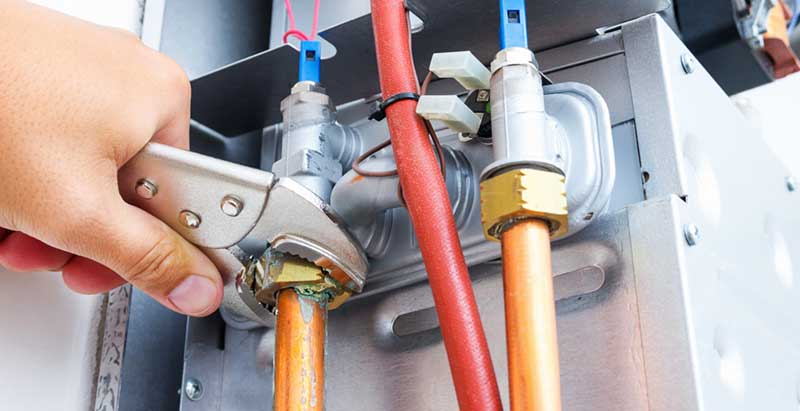
Gas systems offer efficiency, reliability, and performance for modern homes—but only when installed properly. Understanding the basics of gas piping installation helps homeowners make informed decisions and avoid costly mistakes.
From proper pipe sizing and material selection to code compliance and pressure testing, every step in the process is crucial for safety and long-term performance. Whether you’re installing a new gas stove, upgrading your heating system, or adding an outdoor kitchen, always trust licensed professionals for your gas piping installation needs.
Investing in expert installation today protects your home, your family, and your property for years to come.