

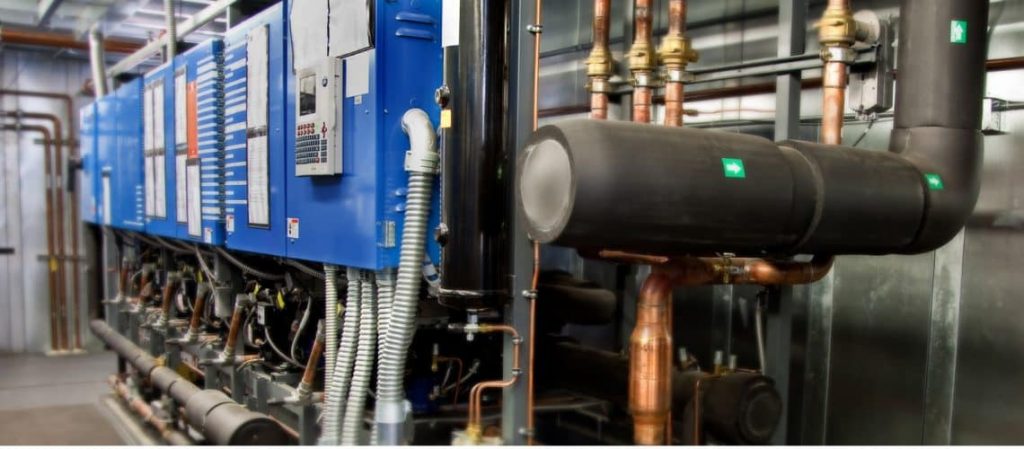
Industrial refrigeration systems play a critical role in preserving products, maintaining safety standards, and ensuring operational efficiency across various industries. From food processing plants and cold storage warehouses to pharmaceutical facilities and manufacturing operations, reliable cooling is essential. While industrial setups are larger and more complex, they share many similarities with commercial refrigeration systems, particularly in performance goals and energy efficiency.
Understanding the key components, benefits, and proper installation strategies of industrial refrigeration systems can help businesses maximize efficiency, reduce downtime, and protect valuable inventory.
What Are Industrial Refrigeration Systems?
Industrial refrigeration systems are large-scale cooling systems designed to remove heat from processes or storage areas to maintain specific low temperatures. Unlike residential or small-scale commercial units, these systems are built to handle significant cooling loads continuously.
Many businesses that outgrow standard commercial refrigeration systems transition to industrial solutions because of higher storage demands, stricter temperature requirements, or complex processing needs.
Industries that commonly rely on industrial refrigeration include:
- Food and beverage processing
- Meat and poultry facilities
- Dairy production plants
- Cold storage warehouses
- Pharmaceutical manufacturing
- Chemical processing plants
- Ice production facilities
These environments require consistent temperature control to prevent spoilage, ensure regulatory compliance, and maintain product quality.
Key Components of Industrial Refrigeration Systems
Understanding the major components of industrial refrigeration systems helps facility managers make informed maintenance and installation decisions. While configurations may vary, most systems include the following core parts:
1. Compressors
The compressor is the heart of the commercial refrigeration system. It compresses low-pressure refrigerant gas into high-pressure gas, enabling heat transfer. Industrial systems often use:
- Reciprocating compressors
- Screw compressors
- Centrifugal compressors
These are more powerful and durable than those found in smaller commercial refrigeration systems, allowing them to handle heavy cooling loads.
2. Condensers
Condensers release the heat absorbed by the refrigerant into the surrounding environment. Common types include:
- Air-cooled condensers
- Water-cooled condensers
- Evaporative condensers
Choosing the right condenser type depends on facility size, climate, and water availability.
3. Evaporators
Evaporators absorb heat from the target area (such as a cold storage room). As refrigerant evaporates, it removes heat, lowering the temperature inside the space.
Proper evaporator sizing is crucial to maintaining consistent cooling performance.
4. Refrigerants
Industrial systems may use ammonia (NH₃), CO₂, or other refrigerants. Ammonia is widely used because it is energy-efficient and environmentally friendly compared to some synthetic alternatives.
Modern commercial refrigeration systems are also shifting toward eco-friendly refrigerants to meet environmental regulations and sustainability goals.
5. Expansion Valves
The expansion valve regulates refrigerant flow into the evaporator, controlling pressure and temperature levels.
6. Control Systems
Advanced industrial refrigeration systems rely on smart controls and automation. These systems monitor:
- Temperature
- Pressure
- Refrigerant levels
- Energy consumption
Automation enhances efficiency and reduces the risk of system failure.
Benefits of Industrial Refrigeration Systems
Investing in a high-quality industrial refrigeration system provides numerous operational and financial advantages.
1. Reliable Temperature Control
Consistency is critical in food processing and pharmaceuticals. Industrial systems maintain stable temperatures even under heavy usage, outperforming standard commercial refrigeration systems in high-demand settings.
2. Increased Energy Efficiency
Modern systems are designed with energy-efficient compressors, heat recovery systems, and automated controls. These features significantly reduce electricity consumption.
Lower energy costs translate into long-term savings, especially for facilities operating 24/7.
3. Improved Product Safety and Compliance
Strict health and safety regulations require proper temperature management. Industrial refrigeration ensures compliance with food safety and pharmaceutical standards.
System monitoring tools also provide documentation for audits and inspections.
4. Scalability
As businesses grow, refrigeration demands increase. Industrial systems can be customized and expanded more easily than smaller commercial refrigeration systems, making them ideal for long-term growth.
5. Reduced Downtime
High-quality industrial systems are built for durability. When properly maintained, they experience fewer breakdowns and operational interruptions.
Installation Tips for Industrial Refrigeration Systems
Proper installation is critical to maximizing system efficiency and lifespan. Here are essential installation tips:
1. Conduct a Detailed Load Calculation
Before installation, perform a comprehensive cooling load analysis. This calculation should consider:
- Facility size
- Insulation levels
- Product type
- Frequency of door openings
- Ambient temperature
Oversized or undersized systems can lead to inefficiency and premature wear.
2. Choose the Right Location
Equipment placement affects airflow, maintenance access, and performance. Ensure adequate ventilation for condensers and easy access for service technicians.
Strategic placement improves efficiency and simplifies future repairs.
3. Work With Experienced Professionals
Industrial refrigeration installation is complex. Hiring qualified refrigeration engineers ensures proper piping design, refrigerant charging, and electrical setup.
Experienced contractors understand how industrial systems compare to large-scale commercial refrigeration systems, ensuring optimal configuration.
4. Prioritize Insulation and Sealing
Poor insulation forces systems to work harder, increasing energy consumption. Invest in high-quality insulation for walls, ceilings, and piping to maintain consistent temperatures.
5. Integrate Smart Controls
Modern automation tools allow facility managers to monitor performance in real time. Smart systems can detect inefficiencies early and prevent costly breakdowns.
Remote monitoring is particularly beneficial for facilities operating around the clock.
6. Plan for Preventive Maintenance
Even the most advanced system requires routine maintenance. Establish a preventive maintenance schedule that includes:
- Checking refrigerant levels
- Cleaning condenser coils
- Inspecting electrical connections
- Testing safety controls
Preventive maintenance extends equipment life and protects your investment.
Industrial vs. Commercial Refrigeration Systems
While both systems serve the purpose of cooling and preservation, industrial systems are designed for larger-scale operations and continuous performance.
Commercial refrigeration systems are typically used in restaurants, grocery stores, and small warehouses. They are suitable for moderate storage needs but may not meet the heavy demands of industrial processing facilities.
Industrial systems offer:
- Greater cooling capacity
- Enhanced durability
- Custom configurations
- Advanced automation
Understanding these differences helps businesses choose the right solution for their needs.
Final Thoughts
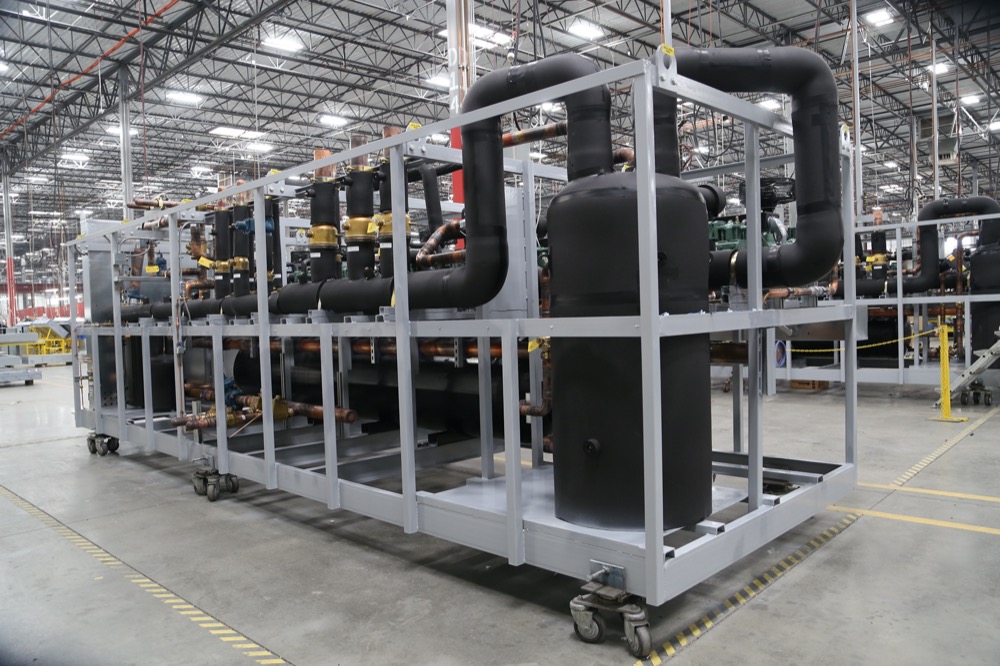
Industrial refrigeration systems are essential for businesses that depend on precise temperature control and continuous operation. From compressors and condensers to smart automation systems, every component plays a vital role in ensuring efficiency and reliability.
While many facilities begin with commercial refrigeration systems, growing operations often require the power and scalability of industrial solutions. Proper installation, smart design, and regular maintenance are key to maximizing performance and protecting your investment.
If your business relies on cold storage or process cooling, investing in a professionally designed industrial refrigeration system can improve efficiency, reduce costs, and ensure long-term operational success.