

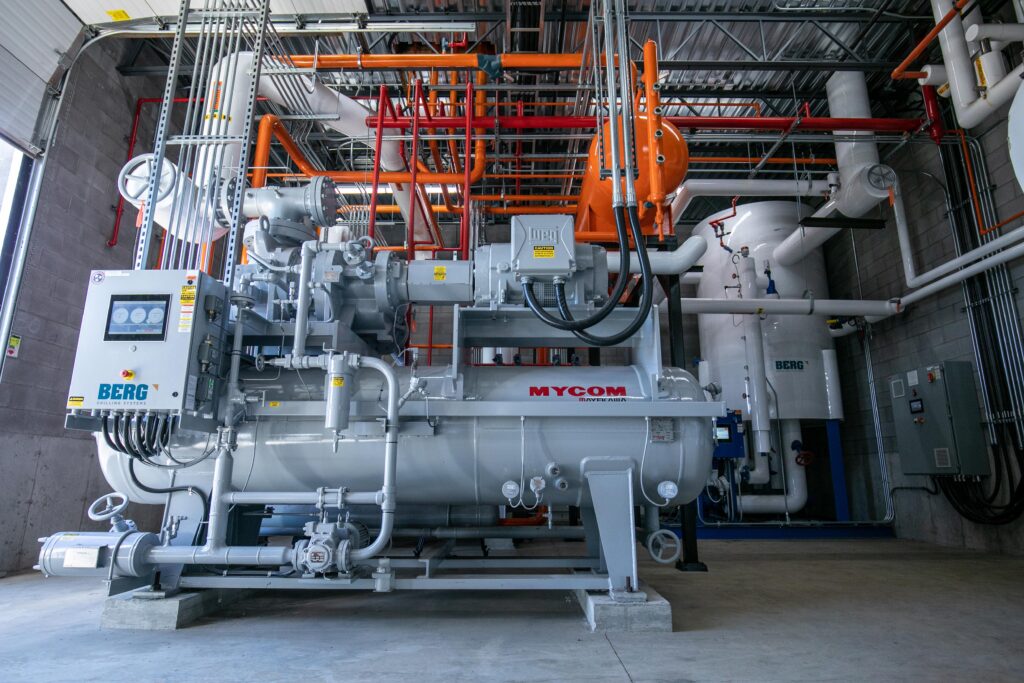
Industrial refrigeration system are the backbone of many large-scale operations that depend on precise temperature control. From food processing plants and cold storage warehouses to pharmaceutical production facilities and chemical manufacturing sites, these systems ensure product quality, regulatory compliance, and operational efficiency. Unlike small-scale cooling units, industrial refrigeration system are engineered for continuous performance, heavy loads, and demanding environments.
Understanding how industrial refrigeration system work, their essential components, the benefits they provide, and how to properly install them can help businesses make informed investment decisions while maximizing long-term performance.
What Are Industrial Refrigeration System?
Industrial refrigeration systems are large-capacity cooling systems designed to remove heat from industrial processes or storage environments. Their primary function is to maintain consistent low temperatures for preservation, production, or chemical stability.
These systems are commonly used in:
- Food and beverage processing plants
- Meat, poultry, and seafood facilities
- Dairy processing operations
- Cold storage and distribution warehouses
- Pharmaceutical manufacturing
- Petrochemical and chemical plants
- Ice manufacturing facilities
Because many of these industries operate 24/7, industrial refrigeration system must be reliable, energy-efficient, and capable of handling fluctuating thermal loads without performance failure.
How Industrial Refrigeration System Work
At their core, industrial refrigeration systems operate on the vapor-compression refrigeration cycle. This cycle involves four main stages:
- Compression – Refrigerant gas is compressed, raising its pressure and temperature.
- Condensation – The hot gas releases heat and condenses into liquid form.
- Expansion – The liquid refrigerant passes through an expansion valve, reducing pressure and temperature.
- Evaporation – The cold refrigerant absorbs heat from the environment, cooling the space.
This continuous process allows industrial refrigeration systems to maintain stable temperatures even in large or high-demand facilities.
Key Components of Industrial Refrigeration Systems
A properly designed system includes several essential components that work together to deliver efficient cooling.
1. Compressors
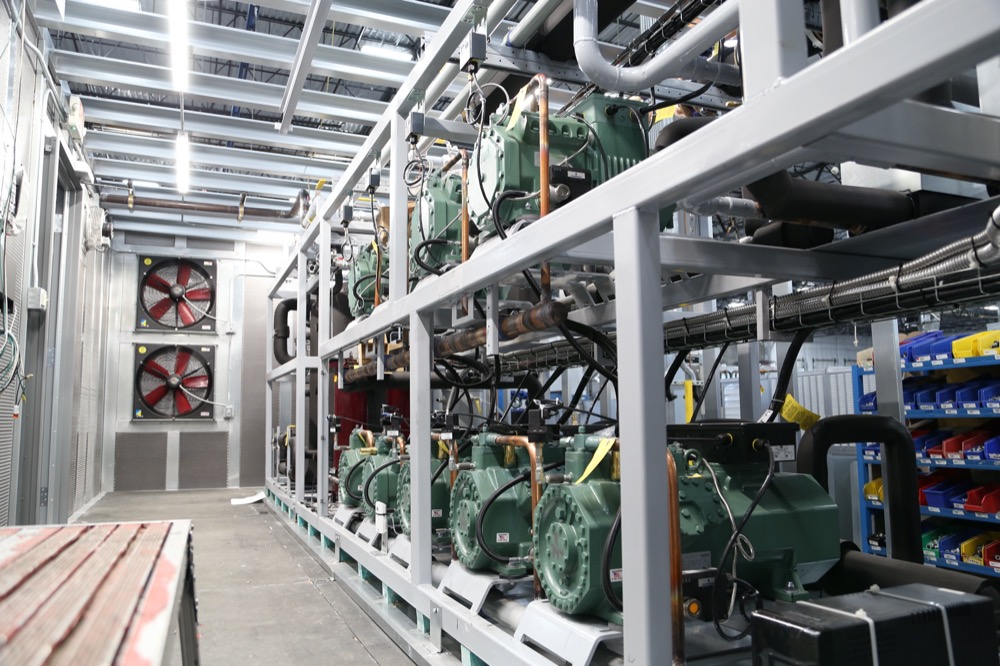
The compressor is often referred to as the “heart” of industrial refrigeration systems. It compresses refrigerant vapor and circulates it through the system. Industrial applications typically use:
- Reciprocating compressors
- Screw compressors
- Centrifugal compressors
Screw compressors are particularly popular in industrial refrigeration systems due to their durability and ability to handle high-capacity cooling demands.
2. Condensers
Condensers release absorbed heat into the surrounding environment. There are three primary types used in industrial refrigeration systems:
- Air-cooled condensers
- Water-cooled condensers
- Evaporative condensers
The choice depends on climate conditions, facility layout, and water availability.
3. Evaporators
Evaporators absorb heat from the designated cooling area. In cold storage facilities, evaporator coils are typically mounted inside refrigerated rooms to maintain consistent temperatures.
Proper evaporator design ensures even airflow distribution and prevents hot spots that could compromise stored products.
4. Refrigerants
Industrial refrigeration systems commonly use ammonia (NH₃), carbon dioxide (CO₂), or synthetic refrigerants. Ammonia is widely used because it offers excellent thermodynamic efficiency and a lower environmental impact compared to some alternatives.
With growing environmental regulations, many facilities are transitioning to natural refrigerants to reduce greenhouse gas emissions.
5. Expansion Valves
Expansion valves regulate refrigerant flow into the evaporator. They ensure that the refrigerant pressure drops appropriately before heat absorption occurs.
6. Control and Monitoring Systems
Modern industrial refrigeration systems rely on advanced control systems to optimize performance. These systems monitor:
- Temperature levels
- Pressure readings
- Refrigerant flow
- Energy consumption
- Equipment performance
Smart automation helps facility managers detect inefficiencies early and prevent costly breakdowns.
Benefits of Industrial Refrigeration Systems
Investing in high-quality industrial refrigeration systems offers significant operational and financial advantages.
1. Precise Temperature Control
Temperature stability is critical in industries like food processing and pharmaceuticals. Even slight temperature fluctuations can result in product spoilage or regulatory violations.
Industrial refrigeration systems are engineered to maintain consistent cooling under demanding conditions.
2. Improved Energy Efficiency
Energy costs represent a major expense for industrial facilities. Modern industrial refrigeration systems incorporate:
- Variable speed drives
- Heat recovery systems
- Advanced insulation
- Automated control systems
These features reduce electricity consumption and improve overall efficiency.
3. Regulatory Compliance
Industries handling perishable goods must meet strict health and safety standards. Industrial refrigeration systems help ensure compliance with food safety and pharmaceutical regulations by maintaining precise temperature records.
4. Increased System Durability
Industrial environments are demanding. High-quality industrial refrigeration systems are designed with heavy-duty components that withstand continuous operation and harsh conditions.
5. Scalability and Customization
As businesses grow, cooling demands increase. Industrial refrigeration systems can be customized and expanded to meet evolving operational needs.
6. Reduced Downtime
System failure can result in significant financial losses. Properly designed industrial refrigeration systems reduce the risk of breakdowns through reliable components and built-in monitoring systems.
Installation Tips for Industrial Refrigeration Systems
Proper installation is critical to maximizing the lifespan and performance of industrial refrigeration systems.
1. Conduct a Thorough Load Analysis
Accurate cooling load calculations are essential. Factors to consider include:
- Building size
- Insulation levels
- Product storage volume
- Heat generated by equipment
- Ambient climate conditions
An improperly sized system can lead to inefficiency and premature wear.
2. Choose the Right System Design
Industrial refrigeration systems can be centralized or distributed. Centralized systems are common in large facilities, while distributed systems may offer flexibility in certain applications.
Working with experienced engineers ensures the most effective configuration.
3. Ensure Proper Equipment Placement
Equipment location affects airflow, maintenance accessibility, and energy efficiency. Condensers should have adequate ventilation, while compressors should be installed in accessible mechanical rooms.
4. Prioritize High-Quality Insulation
Insufficient insulation forces industrial refrigeration systems to work harder, increasing energy consumption. Proper insulation reduces heat gain and enhances system efficiency.
5. Implement Advanced Controls
Smart monitoring technology allows real-time tracking of system performance. Alerts and automated adjustments improve efficiency and prevent major failures.
6. Follow Safety Standards
Many industrial refrigeration systems, particularly ammonia-based systems, require strict safety protocols. Proper ventilation, gas detection systems, and trained personnel are essential for safe operation.
7. Establish a Preventive Maintenance Plan
After installation, preventive maintenance ensures optimal performance. Routine tasks include:
- Checking refrigerant levels
- Inspecting compressors
- Cleaning condenser coils
- Testing electrical components
- Verifying safety controls
A proactive maintenance plan significantly extends the lifespan of industrial refrigeration systems.
Common Challenges in Industrial Refrigeration Systems
While highly reliable, industrial refrigeration systems can face certain challenges:
- Refrigerant leaks
- Ice buildup on evaporator coils
- Compressor wear
- Poor airflow
- Inadequate insulation
Addressing minor issues early prevents costly repairs and operational disruptions.
Energy Efficiency Trends in Industrial Refrigeration Systems
With sustainability becoming a priority, modern industrial refrigeration systems are evolving. Current trends include:
- Natural refrigerants such as ammonia and CO₂
- Heat recovery for facility heating
- IoT-enabled monitoring systems
- Variable speed compressors
- Enhanced insulation materials
These innovations reduce environmental impact while improving cost efficiency.
Choosing the Right Industrial Refrigeration System
Selecting the right industrial refrigeration system depends on several factors:
- Type of industry
- Required temperature range
- Facility size
- Budget considerations
- Regulatory requirements
Consulting experienced refrigeration professionals ensures proper system selection and long-term reliability.
Final Thoughts
Industrial refrigeration systems are critical to industries that depend on precise and reliable cooling. From compressors and condensers to advanced automation and smart monitoring systems, each component plays an essential role in maintaining operational efficiency.
Investing in properly designed and professionally installed industrial refrigeration systems delivers long-term benefits, including improved energy efficiency, regulatory compliance, product safety, and reduced downtime.
With careful planning, expert installation, and ongoing maintenance, industrial refrigeration systems can provide dependable performance for decades—protecting your inventory, supporting production, and strengthening your bottom line.