
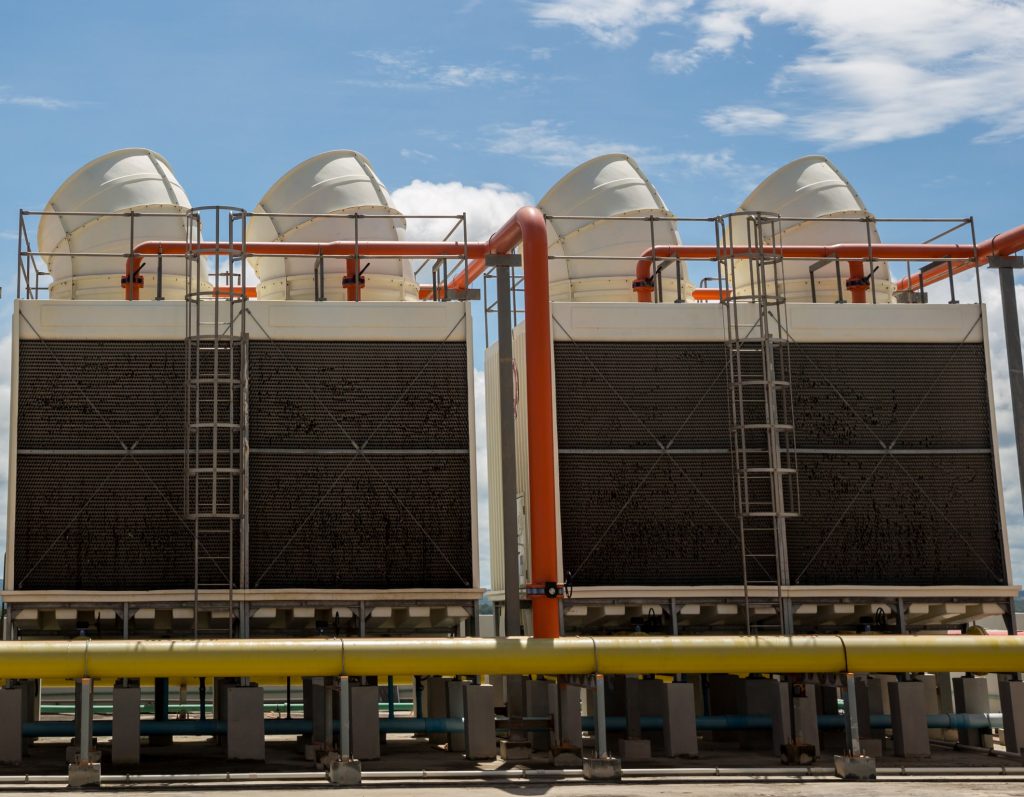
Commercial cooling tower maintenance play a crucial role in regulating heat for HVAC systems, industrial equipment, and large-scale mechanical processes. Whether used in office buildings, hospitals, data centers, or manufacturing facilities, these systems must operate consistently, efficiently, and safely. However, their reliability depends heavily on one critical factor: regular cooling tower maintenance.
Failing to maintain a cooling tower maintenance doesn’t just reduce performance—it can lead to expensive breakdowns, major energy loss, environmental risks, and even health hazards. Here’s why a proactive maintenance strategy is essential for every facility that relies on a cooling tower system.
1. Preventing System Breakdowns and Costly Downtime
A commercial cooling tower is responsible for rejecting large amounts of heat every day. Over time, components such as fill media, fans, spray nozzles, and pumps experience wear and tear. Without regular inspection, minor issues can escalate into major failures.
Common problems caused by neglected cooling tower maintenance include:
- Clogged or damaged fill reducing heat transfer
- Malfunctioning fans leading to temperature spikes
- Scaling and mineral buildup restricting water flow
- Pump failures caused by debris or water quality issues
- Overheating of equipment connected to the cooling tower
A sudden breakdown doesn’t just disrupt building comfort—it can halt production for industrial facilities, affect the performance of cooling-dependent machinery, and force emergency repairs that cost far more than routine servicing. Scheduled maintenance keeps every component working predictably and minimizes the risk of avoidable downtime.
2. Improving Energy Efficiency and Lowering Operating Costs
Cooling towers are among the largest energy consumers in commercial HVAC systems. Even small performance issues can have a significant impact on overall power consumption.
For example:
- A scaled heat exchange surface can reduce system efficiency by 20–35%.
- Dirty fill forces the system to work harder to cool water.
- A corroded fan motor or worn bearings increases electrical load.
Regular cooling tower maintenance ensures optimal system performance by keeping equipment clean, calibrated, and free of inefficiencies. Key maintenance tasks such as descaling, water treatment, and cleaning the tower basin directly improve heat rejection, allowing the system to operate at peak efficiency.
The result? Lower energy usage, reduced utility bills, and less strain on connected HVAC and industrial systems.
3. Extending Equipment Lifespan
Cooling towers are a long-term investment, but like any mechanical system, their lifespan depends on how well they are cared for. Poor maintenance accelerates wear, corrosion, and component failure, forcing expensive replacements sooner than necessary.
A well-maintained cooling tower can last 20 years or more, while a neglected system might require major repairs or replacement in half that time.
Routine maintenance helps extend the life of:
- Motors
- Gearboxes
- Fill media
- PVC components
- Fans and belts
- Pumps and pipes
- Water distribution systems
By identifying issues early—such as rust, leaks, scaling, or vibration—technicians can prevent premature deterioration and ensure your system delivers dependable performance for many years.
4. Maintaining Water Quality and Preventing Biological Growth
Water quality is one of the most important—and often overlooked—elements of cooling tower maintenance. Poor water conditions can lead to issues such as:
- Algae growth
- Biofilm accumulation
- Harmful bacteria, including Legionella
- Corrosion
- Scaling
- Reduced heat transfer
A contaminated cooling tower becomes a breeding ground for microorganisms, which not only damage equipment but also pose serious health risks when aerosolized water droplets are released into the air.
A professional cooling tower maintenance program includes:
- Routine water treatment
- Biocide applications
- pH balancing
- Monitoring water chemistry
- Cleaning basins, fill, and drift eliminators
These steps ensure safe, clean water that supports efficient system performance and helps facilities meet industry health and safety standards.
5. Enhancing Indoor Air Quality and Safety
Cooling towers play an indirect but important role in building indoor air quality (IAQ). When maintenance is neglected, the risk of airborne contamination increases, especially in large facilities where air and water systems are interconnected.
Regular cooling tower maintenance helps prevent:
- Airborne bacteria entering occupied spaces
- Foul odors caused by stagnant water
- Contaminated drift escaping the tower
- Mold or microbial growth spreading
For buildings where health and safety are a priority—such as hospitals, schools, and laboratories—proper cooling tower care is essential to maintaining safe and healthy indoor environments.
6. Ensuring Compliance With Regulations and Industry Standards
Many regions have strict guidelines governing cooling tower operation, especially related to water quality, Legionella prevention, and environmental safety. Neglecting maintenance can result in:
- Failed inspections
- Fines and legal penalties
- Forced shutdowns
- Reputation damage
Compliance typically requires documentation of cooling tower maintenance activities, including cleaning schedules, water treatment logs, and inspection reports.
A preventative maintenance program ensures that your facility stays compliant with:
- Local building codes
- Occupational health and safety standards
- Environmental regulations
- Industry best practices
Staying ahead of regulatory requirements protects your organization and minimizes legal risk.
7. Reducing Total Cost of Ownership (TCO)
Maintaining a cooling tower is far more cost-effective than repairing or replacing one. Proactive maintenance reduces the total cost of ownership by:
- Avoiding emergency service calls
- Preventing catastrophic system failures
- Minimizing labor costs associated with major repairs
- Lowering utility and water consumption
- Extending the lifespan of all connected equipment
A predictable maintenance plan gives facility managers better budget control and eliminates the guesswork that comes with reactive repairs.
8. Supporting Operational Reliability for Mission-Critical Facilities
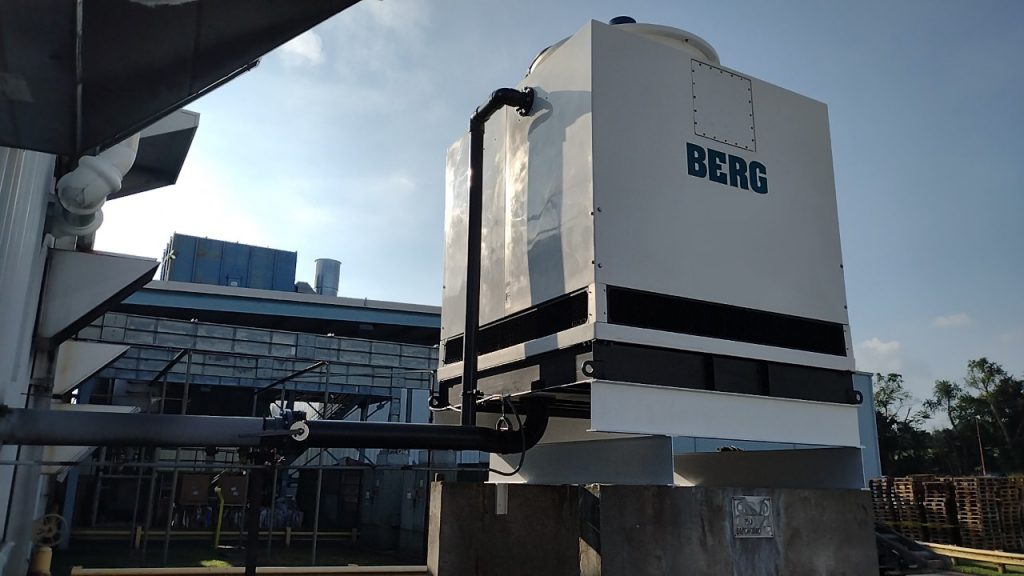
For high-demand environments such as data centers, manufacturing plants, and medical facilities, cooling is mission-critical. Even minor fluctuations in temperature can lead to equipment malfunction, product loss, or system shutdowns.
Regular cooling tower maintenance ensures:
- Stable operating temperatures
- Consistent heat removal
- Prevention of thermal overloads
- Reliable performance during peak seasons
When cooling is essential to business continuity, a proactive maintenance program becomes non-negotiable.
Conclusion
Commercial cooling towers are indispensable assets that keep buildings operational, comfortable, and energy-efficient. But these systems can only perform at their highest level when properly maintained. From preventing breakdowns to improving energy efficiency, reducing operating costs, and protecting occupant health, regular cooling tower maintenance is essential for every facility.
Investing in a proactive maintenance program is the smartest way to protect your system, extend its lifespan, and ensure reliable performance year-round.
If you need help creating landing pages, metadata, or additional blogs on cooling towers, just let me know!