
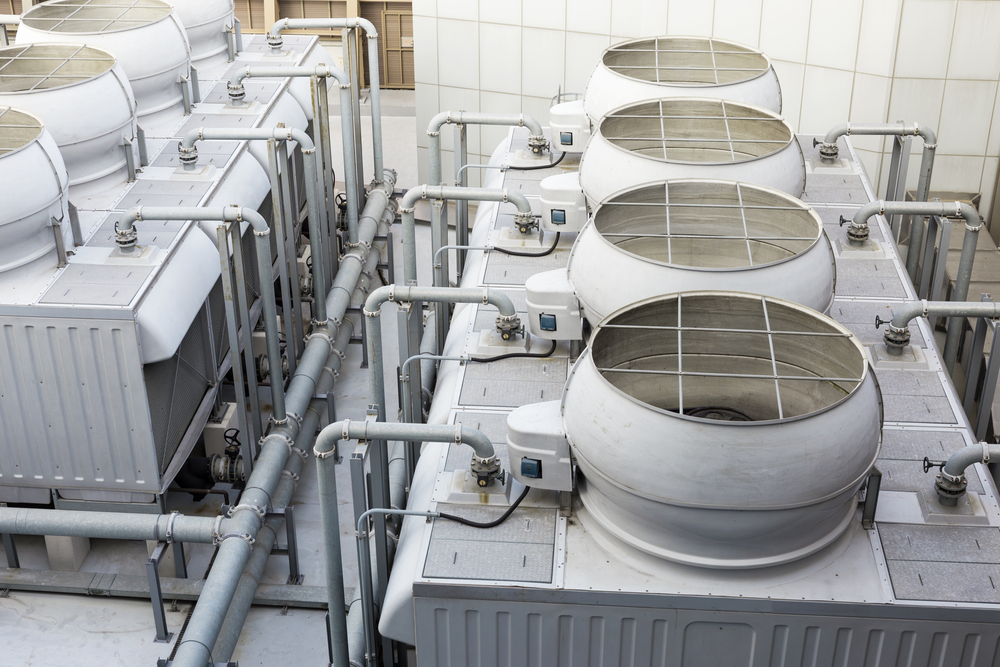
Commercial cooling towers are essential for managing heat in large facilities—from office buildings and hospitals to manufacturing plants and data centers. As energy costs continue to rise and sustainability becomes a higher priority, businesses are increasingly turning to modernized cooling tower efficiency systems that deliver superior performance and reduced operational expenses. At the core of these improvements is one major objective: maximizing cooling tower efficiency.
Modern cooling tower efficiency designs, technologies, and maintenance strategies are transforming how facilities manage heat rejection. Here’s a comprehensive look at how updated systems help optimize energy use, cut costs, and support long-term operational reliability.
1. Advanced Heat Transfer Materials Boost Performance
Traditional cooling towers efficiency often rely on older PVC fill material or outdated configurations that limit heat transfer. Modern cooling towers, however, use advanced fill materials engineered for higher thermal performance and improved water distribution.
These innovations help:
- Increase surface area for better heat rejection
- Reduce airflow resistance
- Lower fan power consumption
- Improve overall cooling tower efficiency
Engineered film-fill and splash-fill designs optimize the contact between air and water, ensuring that heat is removed faster and with less energy.
When heat transfer improves, the entire HVAC system doesn’t have to work as hard—reducing energy consumption and extending the lifespan of connected equipment.
2. Energy-Efficient Fan and Motor Technology
Fans and motors are among the largest energy consumers in a cooling tower. Modern commercial cooling tower efficiency use newer, optimized fan systems that deliver strong airflow with less power.
Key improvements include:
High-Efficiency Motors
- Premium-efficiency motors (such as IE3 and IE4) use significantly less electricity.
- Variable frequency drives (VFDs) allow motors to adjust speed based on demand rather than running at full power continuously.
Aerodynamic Fan Blades
- Redesigned fan blades decrease drag and increase airflow.
- Composite materials reduce the weight of the blades, lowering motor workload.
Low-Noise, Low-Energy Designs
Modern towers are engineered to reduce sound while also minimizing energy consumption—creating a more comfortable and efficient operational environment.
Together, these advancements substantially improve cooling tower efficiency, especially during peak cooling seasons.
3. Optimized Water Distribution for Better Cooling
Water distribution is a critical factor in cooling tower performance. Modern systems include redesigned spray nozzles and piping layouts that ensure even, consistent water distribution across the fill media.
This helps:
- Maximize evaporation
- Reduce dry spots
- Improve thermal efficiency
- Minimize water waste
- Reduce pump energy consumption
Better water distribution means the cooling tower can achieve the same—or better—cooling results with less energy.
4. Smart Controls and Automation Reduce Unnecessary Energy Use
One of the biggest advancements in cooling tower technology is the integration of smart controls and automated systems. These tools help facility managers fine-tune operations in real time for optimal efficiency.
Automated Drift Control
Drift eliminators reduce water loss and improve cooling consistency while minimizing water treatment needs.
Real-Time System Monitoring
Sensors track:
- Water temperature
- Airflow
- Humidity
- Fan speed
- Water levels
- Pump performance
Automated adjustments ensure the system operates only at the level required—no more, no less.
Data Analytics for Predictive Maintenance
Modern cooling towers can detect inefficiencies before they escalate. Examples include:
- Scale buildup detection
- Vibration monitoring
- Motor temperature alerts
By preventing failures and optimizing operations, automation plays a major role in boosting cooling tower efficiency while reducing energy costs.
5. Improved Water Treatment Enhances Efficiency
Poor water quality leads to scale, corrosion, and biological growth—all of which reduce energy efficiency by forcing the cooling tower to work harder to reject heat.
Modern cooling towers integrate advanced water treatment technologies such as:
Automated Chemical Feed Systems
Maintain optimal pH levels and water chemistry with minimal manual intervention.
Non-Chemical Treatment Technologies
High-frequency and electromagnetic systems help prevent scaling and biological growth.
Side-Stream Filtration
Removes suspended solids that restrict water flow and decrease heat transfer.
UV Disinfection
Controls bacteria, including Legionella, without excessive chemical usage.
Better water quality directly improves cooling tower efficiency, extends equipment life, and reduces operational costs.
6. Hybrid and Adiabatic Cooling Tower Designs
Traditional towers rely heavily on evaporation, but newer hybrid and adiabatic cooling systems combine air cooling and evaporative cooling to reduce water and energy consumption.
Hybrid Cooling Towers
These systems switch between dry and wet cooling depending on environmental conditions. During cooler seasons, dry cooling reduces the need for evaporation, saving water and energy.
Adiabatic Cooling Towers
Pre-cool incoming air using evaporative pads, reducing the load on the mechanical components.
Benefits of hybrid and adiabatic systems include:
- Lower electrical energy usage
- Reduced water consumption
- Less stress on motors and fans
- Greater seasonal efficiency
This makes them ideal for facilities seeking year-round energy savings and sustainability improvements.
7. Corrosion-Resistant Materials Reduce Energy Loss
Over time, rust, corrosion, and equipment deterioration significantly reduce cooling tower performance. Modern towers use more durable materials such as:
- Stainless steel
- Fiberglass-reinforced plastic (FRP)
- High-performance coatings
- Corrosion-resistant hardware
Not only do these materials extend the lifespan of the tower, but they also ensure consistent, high-efficiency operation for the long term. A tower that stays clean and intact naturally maintains higher cooling tower efficiency.
8. Reduced Evaporation and Water Loss Improve System Efficiency
Modern design features such as drift eliminators, efficiency louvers, and low-clog nozzles help reduce water waste and improve cooling performance.
Less water loss means:
- More stable system temperature
- Reduced need for makeup water
- Lower pumping energy
- Improved heat transfer consistency
Combined, these features enhance overall efficiency and reduce environmental impact.
9. Integration With Building Management Systems (BMS)
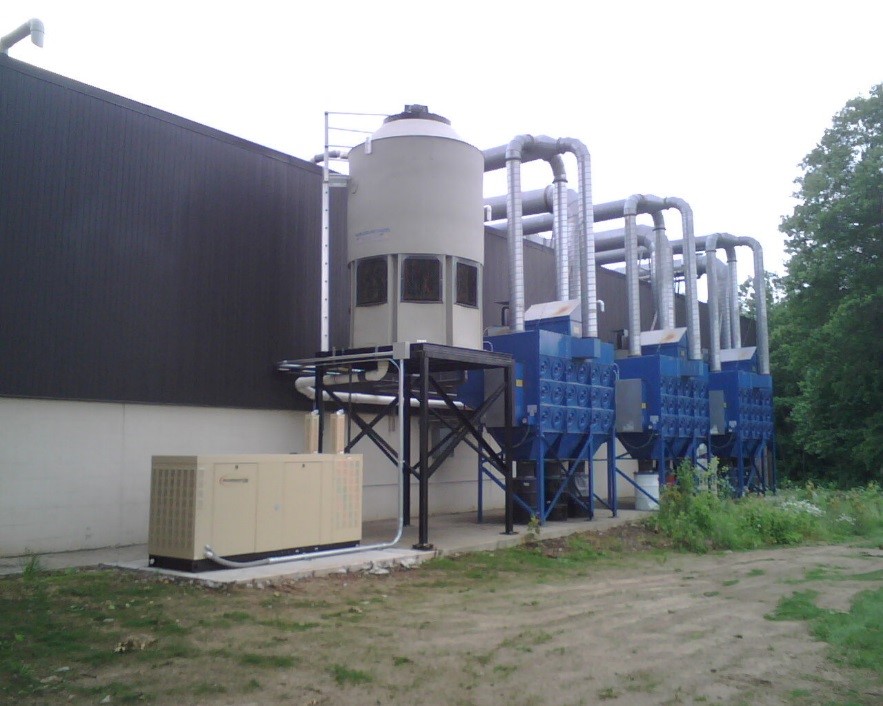
Modern cooling towers are engineered to work seamlessly with centralized building automation systems, allowing facility operators to:
- Optimize setpoints
- Schedule cooling cycles
- Monitor performance remotely
- Integrate cooling with HVAC and process loads
- Track long-term system efficiency trends
Better visibility means smarter decisions—and smarter decisions lead to dramatically better cooling tower efficiency.
Conclusion
Modern commercial cooling towers offer far more than basic heat rejection. With advancements in fan technology, water distribution, smart controls, materials, and system design, today’s towers deliver unmatched performance while minimizing energy costs and environmental impact.
By investing in updated cooling tower systems and prioritizing efficiency-driven maintenance, businesses can achieve:
- Lower energy bills
- Longer equipment lifespan
- Reduced water waste
- Better reliability
- Improved sustainability
In a world where operational costs continue to rise, maximizing cooling tower efficiency isn’t just beneficial—it’s essential for long-term facility performance.