
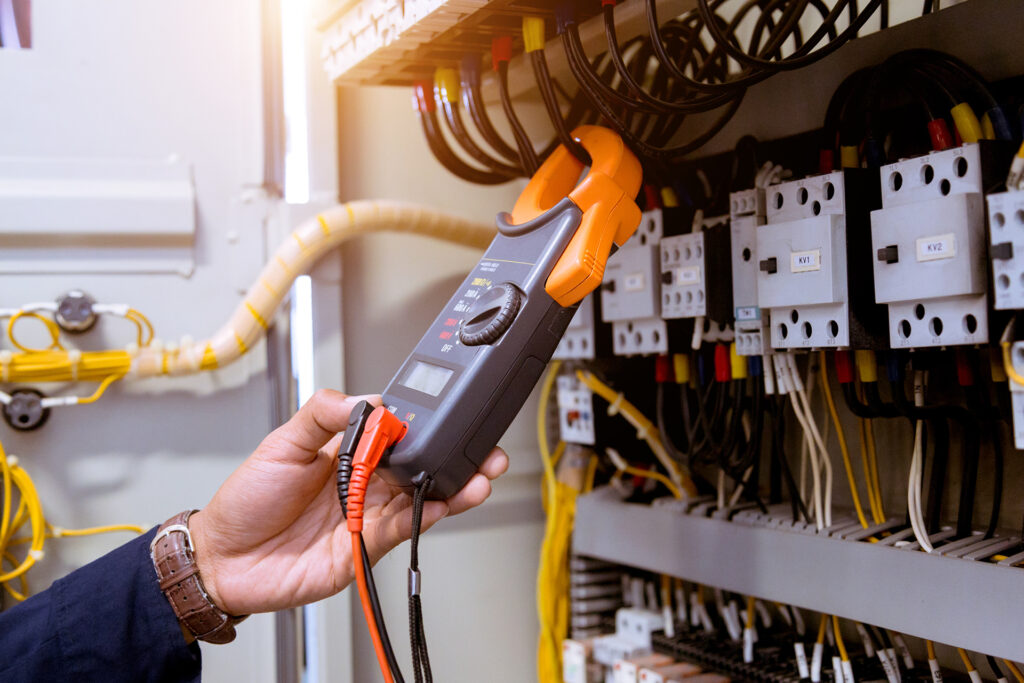
Electricity is one of the highest operating expenses for commercial buildings. Lighting, HVAC, motors, and electronics all contribute to 24/7 demands that can drain budgets if systems aren’t optimized. Over time, older equipment becomes less efficient and requires more energy to perform the same functions.
Energy-efficient electrical upgrades offer several benefits:
- Lower energy consumption and reduced utility bills
- Extended equipment lifespan
- Improved reliability and fewer breakdowns
- Better indoor comfort and lighting quality
- Compliance with modern electrical upgrade and energy-efficiency codes
- Increased property value and operational performance
For businesses looking to cut costs without cutting corners, upgrading outdated electrical components is one of the smartest investments they can make.
1. LED Lighting Upgrades
One of the most impactful electrical upgrades for energy efficiency is switching to LED lighting. LEDs use up to 75% less energy than traditional incandescent and fluorescent bulbs and last significantly longer.
Why LEDs Save Money
- Reduced electricity consumption
- Lower cooling costs due to less heat output
- Less frequent replacement and maintenance
- Better light quality and coverage
LED lighting upgrades are ideal for warehouses, offices, parking lots, retail stores, hotels, and restaurants. Businesses with long operating hours see the fastest return on investment.
For even greater efficiency, LEDs can be paired with smart lighting controls such as dimmers, occupancy sensors, and daylight harvesting systems.
2. Smart Lighting Controls
Lighting controls add another layer of energy efficiency by ensuring lights are only used when needed. These systems automatically adjust lighting based on occupancy, natural light levels, or preset schedules.
Types of Smart Lighting Controls
- Occupancy sensors: Turn lights on and off when people enter or leave a space
- Daylight sensors: Adjust artificial lighting based on natural sunlight
- Programmable timers: Ensure lights aren’t running during off-hours
- Dimming systems: Reduce energy usage without compromising visibility
These electrical upgrades reduce unnecessary energy consumption and give businesses more control over lighting costs.
3. Upgrading Electrical Panels and Distribution Systems
Many older commercial buildings still rely on outdated electrical panels and distribution systems that are inefficient and unable to support modern energy demands. Upgrading panels improves power flow, reduces overheating, and enhances electrical safety.
Benefits of modern panels
- More stable voltage distribution
- Better support for energy-efficient equipment
- Reduced risk of overloading or electrical fires
- Compatibility with smart building technologies
Investing in panel upgrades ensures your building can safely accommodate new energy-saving systems like EV chargers, advanced HVAC units, and LED lighting.
4. Installing High-Efficiency Motors and Variable Frequency Drives (VFDs)
Motors play a major role in commercial and industrial energy usage. HVAC fans, pumps, conveyors, and manufacturing equipment often run continuously, consuming significant power.
High-efficiency motors and VFDs offer:
- Lower energy consumption
- Reduced mechanical stress
- Smoother operation
- Longer equipment life
- Improved process control
VFDs are especially impactful because they allow motors to run only at the speed required, rather than full power at all times.
5. Power Factor Correction
Poor power factor is a hidden cause of high energy bills. When electrical systems are inefficient, utilities may charge additional fees for the extra load placed on the grid.
Power factor correction equipment:
- Reduces utility penalties
- Improves energy efficiency
- Reduces strain on electrical systems
- Enhances overall power quality
Adding capacitors or power factor correction units can drastically reduce wasted energy in facilities with heavy motor loads.
6. Upgrading to Energy-Efficient HVAC Electrical Components
HVAC systems are one of the largest energy consumers in commercial buildings. Upgrading the electrical components that support HVAC equipment can significantly reduce costs.
Recommended HVAC-focused electrical upgrades:
- Efficient motors and blowers
- Smart thermostats and building controls
- Energy-efficient relays and contactors
- Improved wiring and electrical distribution for HVAC loads
These upgrades help systems run more efficiently, reduce downtime, and improve indoor comfort.
7. Submetering and Energy Monitoring Systems
Energy monitoring systems give businesses the ability to track where electricity is being used—and wasted. Submeters measure consumption for specific areas, equipment, or tenants.
Benefits of energy monitoring:
- Identify peak usage periods
- Detect equipment inefficiencies
- Prevent unnecessary energy waste
- Improve budgeting and forecasting
This data helps businesses make informed decisions on future electrical upgrades and efficiency improvements.
8. Surge Protection and Power Quality Improvements
Power surges and voltage fluctuations can damage sensitive equipment and reduce its lifespan. Installing surge protectors and power conditioning equipment helps protect electrical systems from unnecessary wear.
Benefits include:
- Extended equipment life
- Reduced downtime
- Lower repair and replacement costs
- Better system reliability
This upgrade is especially important for businesses with servers, automation systems, or specialized electronics.
How Electrical Upgrades Create Long-Term Savings
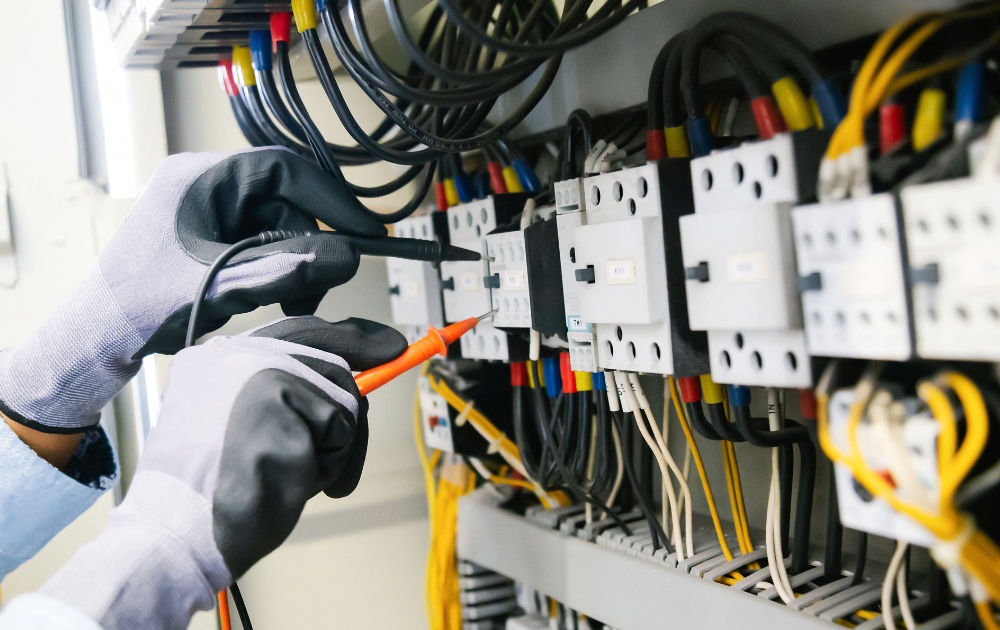
Electrical upgrades are not just about replacing outdated systems—they’re about optimizing the entire building for long-term performance and lower operating expenses.
Businesses that invest in energy-efficient upgrades benefit from:
- Consistent month-to-month utility savings
- Reduced maintenance and repair costs
- Improved system reliability
- Better safety and compliance
- A more comfortable and productive workplace
- Increased property value and tenant appeal
Over time, these savings often outweigh the initial investment, making electrical upgrades one of the most cost-effective improvements a business can make.