

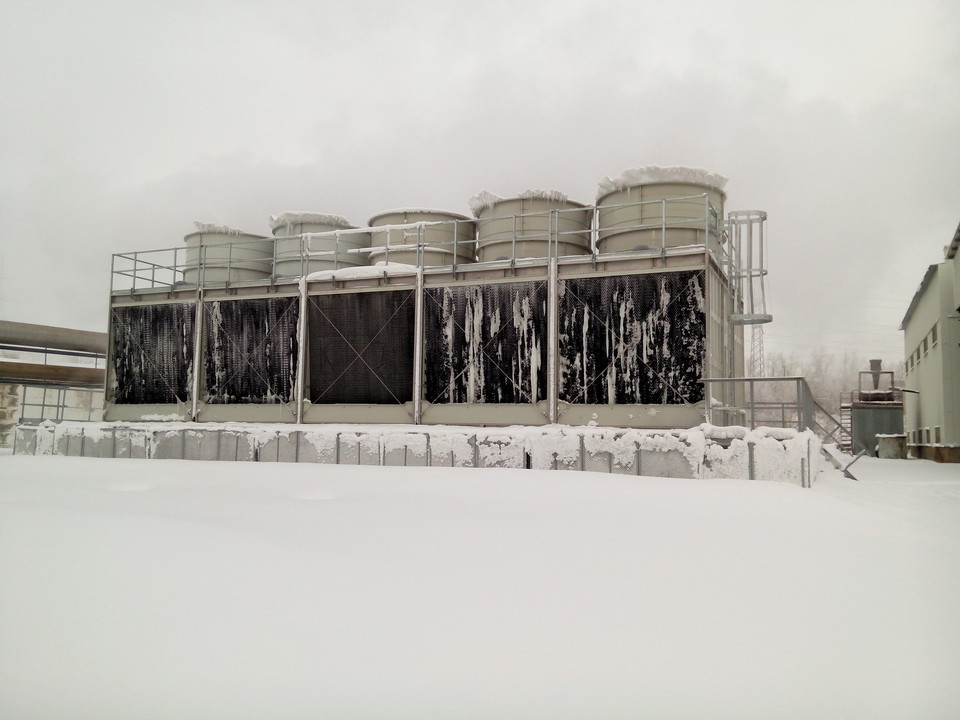
When temperatures start to drop, cooling towers face one of their biggest operational challenges of the year: freezing conditions. Without proper preparation, cold weather can lead to ice buildup, cracked piping, damaged fill media, and costly system downtime. For commercial and industrial facilities, even a short shutdown can disrupt operations and impact the bottom line.
That’s why it’s critical to winterize cooling tower systems before winter fully sets in.
A well-planned winterization strategy protects equipment, improves efficiency, extends system lifespan, and prevents emergency repairs when you need reliability most. In this guide, we’ll walk through the essential steps facility managers and maintenance teams should take to winterize cooling tower for maximum performance and peace of mind.
Why It’s Important to Winterize a Cooling Tower
Cooling towers are designed for heat rejection through evaporation — not freezing temperatures. During winter, reduced loads and cold air create the perfect environment for ice formation.
If you don’t properly winterize cooling tower components, you may experience:
- Frozen basins and sumps
- Burst pipes and valves
- Ice accumulation on fill and louvers
- Pump damage
- Restricted airflow
- Higher energy use
- Unplanned shutdowns
These issues aren’t just inconvenient — they’re expensive. Emergency repairs and downtime can cost far more than preventive preparation.
Taking proactive steps now saves time, money, and stress later.
Step 1: Inspect and Clean the Entire System
Before winter arrives, start with a full inspection and cleaning.
Dirt, debris, scale, and biological growth restrict water flow and create uneven cold spots where freezing can happen faster. A clean system operates more efficiently and is easier to protect.
Your inspection checklist should include:
- Cleaning the cold-water basin
- Removing debris from strainers
- Flushing distribution nozzles
- Inspecting fill media
- Checking drift eliminators
- Examining belts, motors, and fans
When you winterize cooling tower equipment, cleanliness is your first line of defense.
Step 2: Install or Test Basin Heaters
The basin holds standing water, which makes it the most vulnerable part of the tower in freezing weather.
Basin heaters keep water temperatures safely above freezing and prevent ice formation that can damage pumps and piping.
If heaters are already installed:
- Test thermostats
- Verify electrical connections
- Check heating elements
- Confirm automatic activation
If not, consider installing them. Basin heaters are one of the most effective upgrades when you winterize cooling tower systems for cold climates.
Step 3: Maintain Continuous Water Circulation
Stagnant water freezes fast. Flowing water freezes much slower.
Keeping water moving through the system is one of the simplest ways to prevent freezing. Even during low-demand periods, maintaining minimum flow protects piping, spray nozzles, and internal components.
Best practices include:
- Avoid shutting pumps off overnight
- Use low-flow settings when possible
- Monitor for blockages
- Keep makeup water flowing
Consistent circulation improves reliability and reduces the chance of ice-related failures.
Step 4: Optimize Fan Operation
Cooling tower fans pull air through the system to enhance evaporation. But in winter, too much airflow can actually increase freezing.
High-speed fans combined with cold air can rapidly form ice on fill and structural components.
Instead:
- Use variable frequency drives (VFDs)
- Run fans intermittently
- Reduce speeds during freezing temperatures
- Monitor for visible frost
Smart fan control helps you winterize cooling tower performance without sacrificing efficiency.
Step 5: Insulate and Heat Trace Exposed Piping
External piping and valves are often the first components to freeze because they’re fully exposed to the elements.
Protect these vulnerable areas by adding:
- Pipe insulation
- Heat tracing cables
- Valve covers
- Weatherproof wraps
This simple step dramatically reduces freeze risks and protects your system’s most sensitive connections.
For colder regions, heat tracing is especially valuable for maintaining safe operating temperatures.
Step 6: Balance Water Chemistry
Water treatment remains essential year-round.
Poor water quality can worsen winter problems by causing scale buildup, corrosion, or biofilm growth that restricts flow and insulates heaters.
Work with your water treatment provider to:
- Maintain proper pH
- Prevent scaling
- Reduce corrosion
- Control bacteria
When you winterize cooling tower operations, balanced water chemistry ensures heaters work efficiently and components stay protected.
Step 7: Monitor for Ice and Cold Spots Daily
Even after winterization, daily monitoring is critical.
Weather conditions change quickly, and small issues can escalate fast.
Perform routine checks for:
- Ice on louvers or fill
- Uneven spray patterns
- Frozen distribution decks
- Excess vibration
- Blocked airflow
Early detection allows you to fix problems before they damage equipment or require shutdowns.
Many facilities now use remote sensors or automated controls for real-time alerts.
Step 8: Consider a Seasonal Shutdown (If Applicable)
Not every facility needs cooling year-round. If your system isn’t required in winter, a full seasonal shutdown might be the safest option.
To properly winterize cooling tower equipment for shutdown:
- Drain all water
- Dry the basin completely
- Clean components
- Disconnect power
- Protect exposed surfaces
Never leave partial water in the system — leftover moisture can freeze and crack internal components.
Always follow manufacturer guidelines or consult a professional technician.
Step 9: Schedule Professional Winter Maintenance
While in-house teams can handle basic tasks, professional service provides extra confidence.
Experienced winterize cooling tower technicians can:
- Test heaters and controls
- Inspect mechanical components
- Check structural integrity
- Optimize performance
- Identify hidden risks
Routine professional maintenance ensures your system is truly winter-ready and helps avoid costly surprises.
Final Thoughts
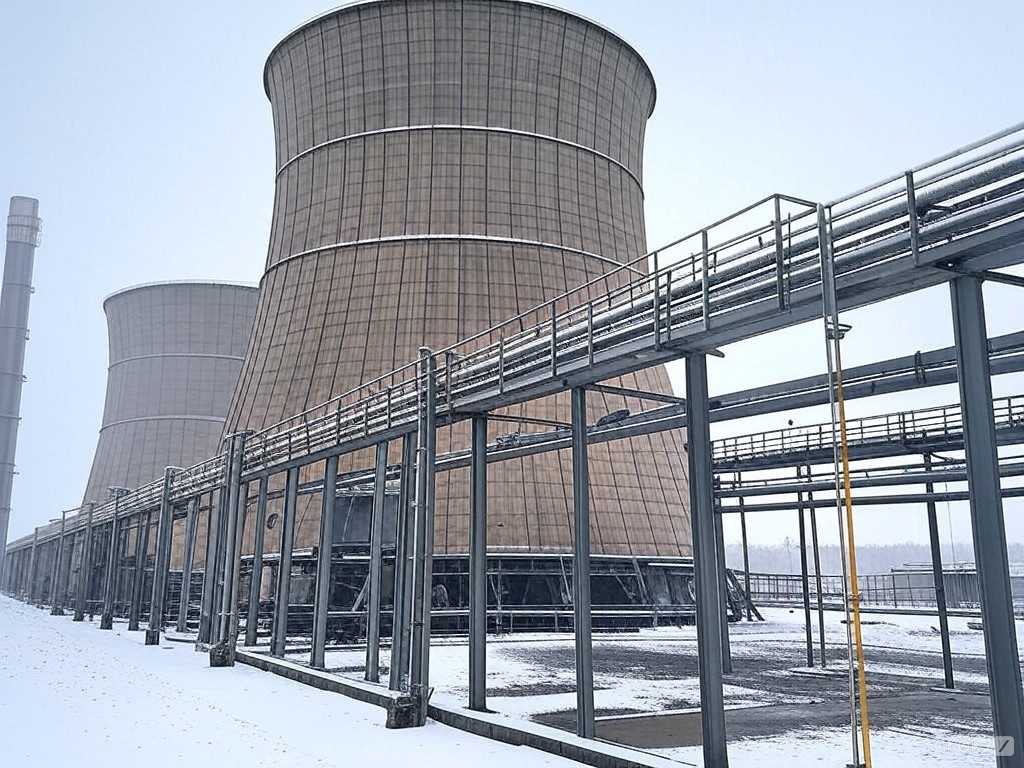
Cold weather doesn’t have to mean cooling tower trouble. With the right strategy, your system can operate safely, efficiently, and reliably all winter long.
When you winterize cooling tower systems early, you protect your investment, extend equipment life, and prevent downtime that disrupts operations. From basin heaters and insulation to smart controls and inspections, each step plays a role in keeping your facility running smoothly.
The best time to winterize a cooling tower isn’t during the first freeze — it’s before temperatures drop.
Plan ahead, stay proactive, and your cooling tower will reward you with dependable performance all season long.