

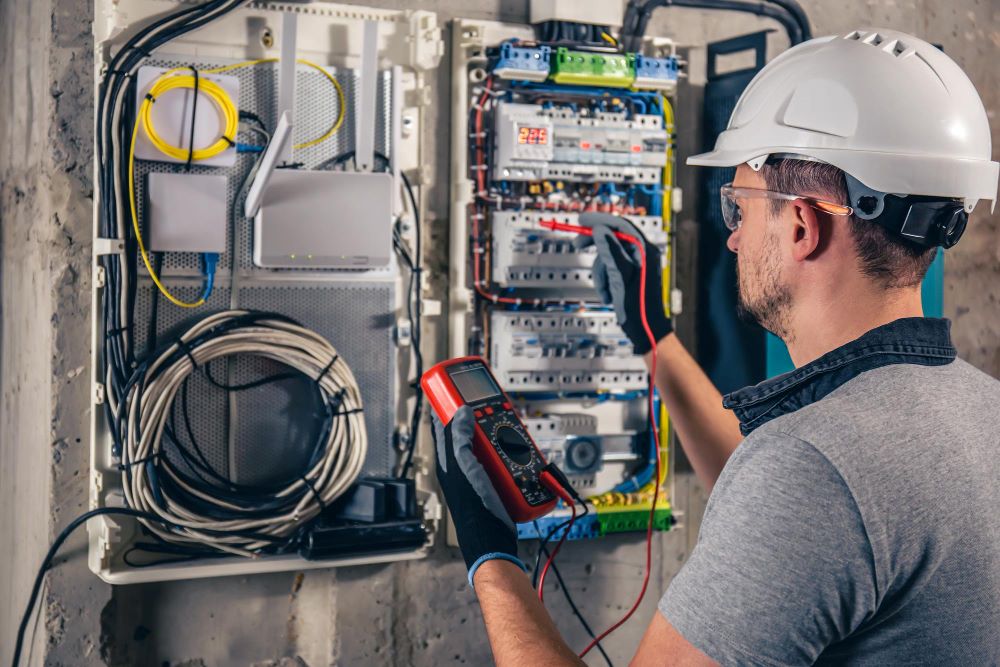
In today’s fast-paced business environment, commercial buildings rely heavily on safe and efficient electrical systems. From lighting and HVAC systems to computers, machinery, and security systems, electricity powers nearly every aspect of daily operations. That’s why electrical maintenance is not just a recommended practice — it’s a critical investment in safety, performance, and long-term cost savings.
Neglecting regular inspections and preventive servicing can lead to system failures, unexpected downtime, safety hazards, and expensive emergency repairs. In this blog, we’ll explore why routine electrical maintenance is essential for commercial buildings and how it protects both your property and your bottom line.
1. Enhancing Workplace Safety
One of the primary reasons to prioritize electrical maintenance is safety. Faulty wiring, overloaded circuits, damaged panels, and outdated equipment can create serious hazards such as electrical fires, shocks, and arc flashes.
According to the National Fire Protection Association, electrical failures are a leading cause of commercial property fires. Regular inspections help identify issues like loose connections, corroded components, or deteriorating insulation before they escalate into dangerous situations.
Routine electrical maintenance includes:
- Checking circuit breakers and panels
- Testing grounding systems
- Inspecting wiring and connections
- Identifying overloaded circuits
- Verifying proper labeling and compliance
By addressing potential risks early, building owners can significantly reduce liability and create a safer working environment for employees, tenants, and visitors.
2. Preventing Costly Downtime
Unexpected power outages or equipment failures can disrupt business operations, leading to lost productivity and revenue. For industries like healthcare, manufacturing, retail, and data centers, even a brief interruption can be extremely costly.
Regular electrical maintenance ensures that all systems are operating efficiently and reliably. Preventive measures help detect wear and tear before it causes breakdowns. Instead of reacting to emergencies, businesses can schedule repairs at convenient times, minimizing operational disruptions.
Planned maintenance is always more affordable than emergency service calls, especially when factoring in overtime labor, urgent parts replacement, and potential equipment damage.
3. Extending Equipment Lifespan
Commercial electrical systems represent a significant investment. Transformers, switchgear, lighting systems, backup generators, and distribution panels are designed to last for many years — but only with proper care.
Without routine electrical maintenance, dust buildup, loose connections, moisture exposure, and voltage irregularities can shorten the lifespan of critical components. Over time, this can lead to premature equipment failure and costly replacements.
Preventive maintenance services often include:
- Thermal imaging to detect overheating
- Cleaning electrical panels and components
- Tightening electrical connections
- Load balancing
- Testing protective devices
These proactive steps keep systems running efficiently and extend the usable life of expensive infrastructure.
4. Improving Energy Efficiency
Energy costs are one of the largest operational expenses for commercial buildings. Inefficient electrical systems can increase utility bills significantly without owners even realizing it.
Through regular electrical maintenance, technicians can identify energy-draining issues such as:
- Outdated lighting systems
- Poor power factor
- Unbalanced electrical loads
- Failing motors or transformers
Upgrading to energy-efficient lighting, optimizing distribution systems, and correcting power imbalances can lead to noticeable reductions in energy consumption. Not only does this lower operating costs, but it also supports sustainability goals and environmental responsibility initiatives.
5. Ensuring Code Compliance
Electrical codes and safety regulations are continuously updated to reflect new technologies and safety standards. Commercial buildings must comply with local and national electrical codes to avoid penalties, failed inspections, and insurance complications.
Routine electrical maintenance helps ensure your building remains compliant with current regulations. Professional electricians stay up to date with code requirements and can identify any areas that need upgrades or modifications.
Failure to comply with safety standards can result in:
- Fines and legal penalties
- Increased insurance premiums
- Voided insurance claims
- Liability issues in the event of accidents
Regular inspections provide peace of mind and protect your organization from regulatory risks.
6. Supporting Business Continuity
Business continuity planning often focuses on cybersecurity and disaster recovery, but electrical reliability is equally important. A well-maintained electrical system supports uninterrupted operations and reduces the risk of catastrophic failures.
Electrical maintenance programs often include testing backup power systems such as generators and uninterruptible power supplies (UPS). Ensuring these systems function properly during emergencies is critical for protecting sensitive data, essential equipment, and customer trust.
When power systems are dependable, businesses can operate confidently, knowing they are prepared for unexpected events.
7. Protecting Sensitive Equipment
Modern commercial buildings rely on advanced technology. Servers, communication systems, automated machinery, and specialized equipment are sensitive to voltage fluctuations and electrical disturbances.
Power surges, harmonic distortion, and inconsistent voltage can damage delicate electronics. Routine electrical maintenance includes power quality assessments that identify and correct these issues before they harm expensive equipment.
Installing surge protection devices and maintaining grounding systems are simple yet effective strategies that safeguard your technology investments.
8. Reducing Long-Term Repair Costs
Some building owners postpone electrical maintenance to save money in the short term. However, this approach often leads to higher costs over time.
Minor issues — such as a loose wire or aging breaker — may seem insignificant, but they can escalate into major failures if ignored. Regular maintenance identifies small problems early, allowing for inexpensive fixes instead of large-scale replacements.
Preventive maintenance typically costs far less than:
- Emergency repair services
- Equipment replacement
- Fire damage restoration
- Business interruption losses
Investing in routine electrical maintenance is a financially responsible decision that delivers measurable returns.
9. Increasing Property Value
Well-maintained commercial buildings are more attractive to tenants, buyers, and investors. An up-to-date electrical system signals that the property has been properly cared for and meets modern safety standards.
When selling or leasing a building, documented electrical maintenance records can:
- Increase buyer confidence
- Speed up inspections
- Support higher property valuations
- Reduce negotiation delays
Electrical reliability is a key factor in overall building performance and market appeal.
10. Creating a Proactive Maintenance Strategy
The most effective way to protect your commercial property is by implementing a structured electrical maintenance plan. Instead of scheduling inspections only when problems arise, proactive maintenance ensures continuous system health.
A comprehensive maintenance program should include:
- Annual or bi-annual electrical inspections
- Infrared thermal scanning
- Load testing
- Preventive servicing of panels and switchgear
- Backup power system testing
- Documentation and reporting
Partnering with a qualified commercial electrician ensures your building receives professional attention and expert guidance tailored to your operational needs.
Final Thoughts
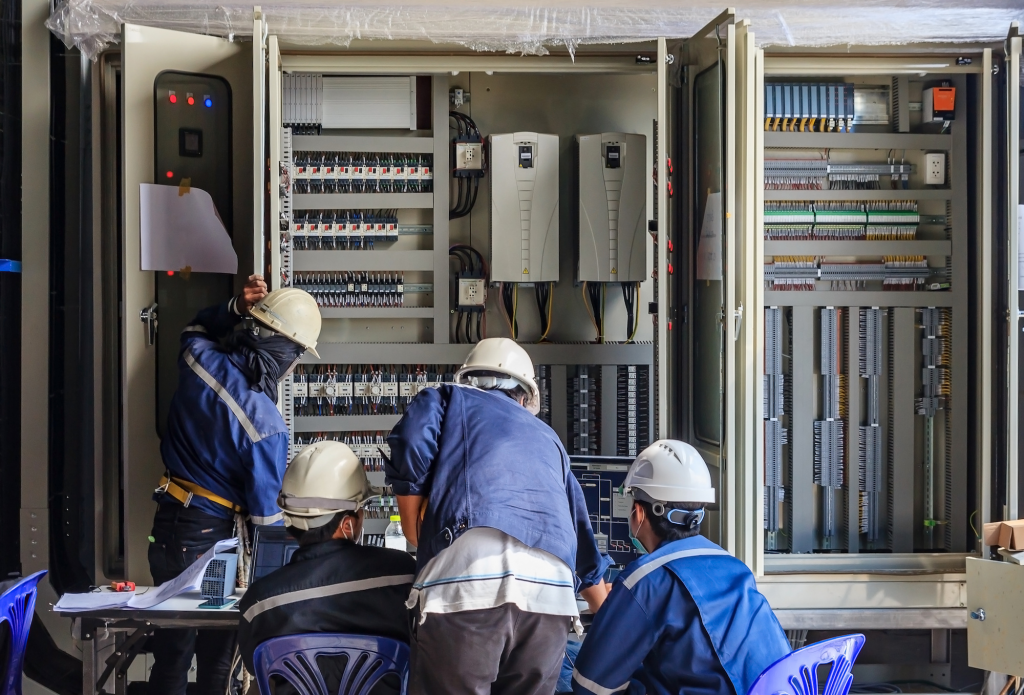
Electrical systems are the backbone of every commercial building. Without reliable power, daily operations come to a halt. Regular electrical maintenance protects your property, employees, tenants, and financial stability.
From enhancing safety and preventing downtime to improving energy efficiency and ensuring code compliance, the benefits of routine maintenance far outweigh the costs. By taking a proactive approach, building owners can reduce risks, extend equipment lifespan, and maintain a competitive edge in today’s demanding business environment.
If you haven’t scheduled an electrical inspection recently, now is the perfect time to invest in professional electrical maintenance and secure the long-term performance of your commercial building.