

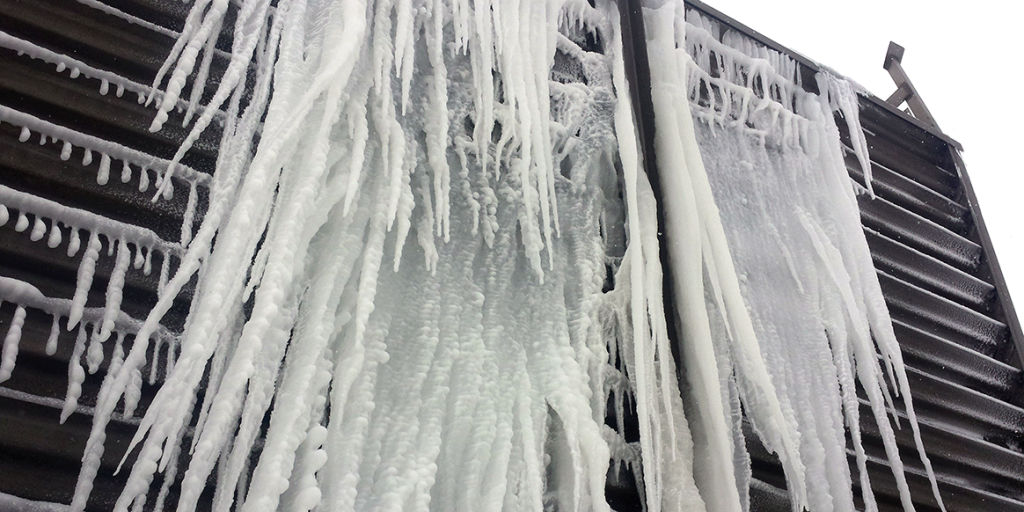
When temperatures drop, most facility managers shift their focus from cooling performance to freeze protection. But ignoring cooling towers in winter can lead to some of the most expensive mechanical failures of the year. Frozen basins, cracked piping, damaged fill media, and burst lines aren’t just inconveniences — they can shut down operations, increase liability, and require costly emergency repairs.
The good news? With the right winterization strategy, your cooling towers in winter system can remain safe, efficient, and fully operational all season long.
In this guide, we’ll break down the most important freeze protection tips every commercial facility should follow to protect cooling towers in winter during cold weather.
Why Cooling Towers in Winter Are Vulnerable
Cooling towers in winter are designed to reject heat through evaporation. That process works great in summer but becomes risky in freezing conditions. When water circulation slows or stops, temperatures can quickly fall below freezing inside the tower.
This can cause:
- Ice buildup on fill and louvers
- Frozen basin water
- Cracked pipes and valves
- Damaged pumps
- Reduced airflow and efficiency
- Structural stress from heavy ice loads
Even a few hours of freezing weather can create problems that take weeks — and thousands of dollars — to fix.
That’s why proactive planning for cooling towers in winter is essential, not optional.
1. Install Basin Heaters
One of the simplest and most effective freeze protection measures is a basin heater.
Cooling towers in winter basins hold standing water, making them especially prone to freezing. Basin heaters maintain water temperature above freezing, preventing ice formation and protecting pumps and piping.
Benefits include:
- Prevents frozen sump water
- Reduces stress on pumps
- Allows continuous winter operation
- Minimizes emergency shutdowns
For best results, use thermostatically controlled heaters that activate automatically when temperatures drop.
2. Maintain Continuous Water Flow
Moving water freezes much slower than stagnant water. Maintaining continuous circulation is one of the most important strategies for winter cooling tower operation.
If your facility still requires cooling during winter (such as data centers, manufacturing plants, or hospitals), keep water flowing consistently through the system.
Tips include:
- Avoid shutting down pumps overnight
- Run at minimum safe flow rates
- Monitor low-flow alarms
- Use bypass systems if necessary
Continuous movement keeps pipes, nozzles, and distribution decks from freezing solid.
3. Adjust Fan Operation Carefully
Cooling tower fans are critical, but improper use during winter can accelerate freezing.
Running fans at full speed in freezing temperatures increases airflow and evaporation, which can cause rapid ice formation on fill and structural components.
Instead:
- Use variable frequency drives (VFDs)
- Operate fans intermittently
- Reduce speed during extreme cold
- Monitor for visible ice buildup
Smart fan control helps balance cooling needs while minimizing freeze risk.
4. Inspect and Clean Before Winter Hits
Preventive maintenance before the first freeze can save you serious trouble later.
Debris, scale, and biological growth restrict water flow and create cold spots where ice forms faster. A clean system performs more efficiently and is easier to protect.
Your pre-winter checklist should include:
- Cleaning basins
- Removing debris
- Checking nozzles
- Inspecting fill media
- Testing heaters
- Verifying pump performance
Facilities that prepare early experience fewer winter emergencies and longer equipment life.
5. Use Proper Water Treatment
Water treatment isn’t just about summer scale control. It also plays a big role in protecting cooling towers in winter.
Poor water chemistry can increase freezing risks and damage components. For example:
- Scale insulates heaters
- Corrosion weakens pipes
- Biofilm restricts flow
Work with your water treatment provider to:
- Balance pH levels
- Prevent scale formation
- Control corrosion
- Maintain clean circulation
Good chemistry keeps your tower operating efficiently in any season.
6. Insulate Exposed Components
Exposed pipes, valves, and fittings are often the first to freeze.
Adding insulation is a simple, low-cost way to protect vulnerable areas.
Focus on:
- Makeup water lines
- Supply and return piping
- Drain valves
- Small diameter lines
- Sensors and instruments
Heat tracing combined with insulation provides even better protection in extremely cold climates.
7. Monitor for Ice Formation Daily
Winter conditions change fast. What looks fine in the morning can freeze by evening.
Daily inspections are critical.
Look for:
- Ice on louvers
- Blocked airflow
- Frozen spray patterns
- Uneven water distribution
- Excess vibration
Catching problems early prevents small issues from becoming full shutdowns.
Some facilities even install remote temperature and vibration sensors to provide real-time alerts.
8. Decide: Shutdown or Operate?
Not all facilities need cooling towers in winter year-round. If your system isn’t required in winter, a full seasonal shutdown may be safer and more cost-effective.
A proper shutdown should include:
- Draining all water
- Drying the basin
- Cleaning components
- Disconnecting power
- Protecting exposed parts
However, incomplete shutdowns can cause more damage than continuous operation. Always follow manufacturer guidelines or consult a professional.
9. Schedule Professional Winter Service
Even experienced maintenance teams benefit from expert support. Professional cooling tower technicians understand the specific challenges of cold-weather operation.
Routine winter service can include:
- Heater testing
- Control calibration
- Structural checks
- Mechanical inspections
- Emergency response planning
Professional maintenance helps prevent downtime, extend equipment life, and ensure safe operation.
The Bottom Line
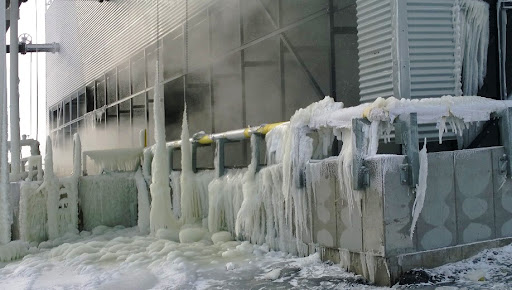
Winter doesn’t mean your cooling tower can be ignored. In fact, it demands more attention than ever.
Proper planning, routine inspections, and smart operational strategies keep cooling towers in winter running safely and efficiently. A few preventive steps today can prevent major repairs tomorrow.
If you manage a commercial or industrial facility, now is the time to review your winter protection plan. Because when temperatures plunge, preparation is what keeps your system — and your business — moving.