

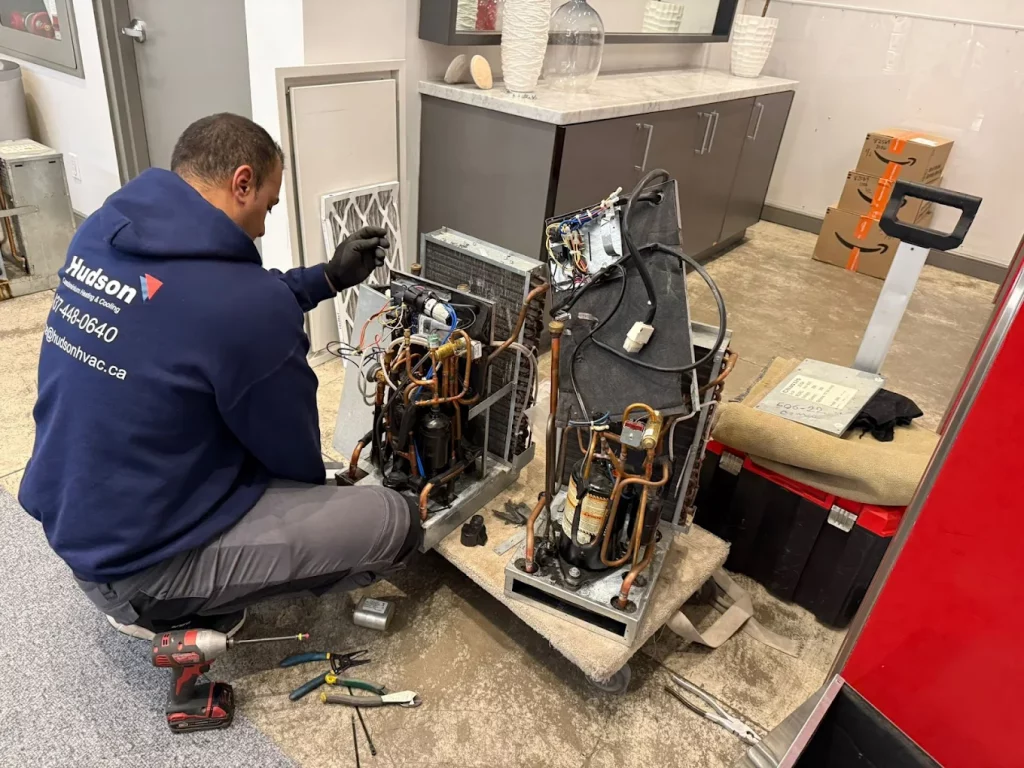
Condominium buildings depend on reliable heating, ventilation, and air conditioning systems to maintain comfortable living environments year-round. Unlike single-family homes, condos rely on shared mechanical systems that serve multiple units, making proper upkeep even more critical. Condo HVAC Maintenance and preventive care play a vital role in minimizing breakdowns, controlling energy costs, and extending the lifespan of building equipment.
Without a structured maintenance plan, minor HVAC issues can quickly escalate into costly repairs or widespread comfort complaints. This guide explains why preventive care matters, what effective Condo HVAC Maintenance involves, and how property managers can protect their HVAC investments.
Why Condo HVAC Maintenance Is So Important
HVAC systems in condominium buildings operate under constant demand. They must handle varying occupancy levels, seasonal temperature changes, and differing comfort preferences across units. Over time, this workload leads to wear and performance decline if systems are not properly maintained.
Proactive Condo HVAC Maintenance helps prevent unexpected failures, reduces energy consumption, and ensures consistent comfort for residents. It also supports compliance with building regulations and safety standards.
Common HVAC Systems in Condo Buildings
Understanding the type of HVAC system installed is the first step in effective maintenance planning.
Centralized Systems
Many condos use centralized boilers, chillers, or rooftop units paired with fan coil units in each suite. These systems require regular inspection, water treatment, and performance testing.
Individual Unit Systems
Some condos rely on in-suite heat pumps or PTAC units. While these systems give residents individual control, coordinated Condo HVAC Maintenance ensures consistent performance and prevents unit-to-unit issues.
Hybrid HVAC Systems
Hybrid systems combine centralized equipment with individual controls. Maintenance must address both shared infrastructure and in-unit components to keep everything running smoothly.
Key Components of Condo HVAC Maintenance
1. Preventive Inspections
Routine inspections are the foundation of preventive care. Technicians check system performance, inspect electrical connections, test controls, and identify early signs of wear.
Regular inspections allow issues to be addressed before they lead to major failures.
2. Filter Replacement and Airflow Checks
Dirty filters restrict airflow, forcing HVAC equipment to work harder and consume more energy. Scheduled filter replacement improves air quality and system efficiency.
Airflow checks are a critical part of Condo HVAC Maintenance, especially in buildings with shared ductwork.
3. Cleaning and Coil Maintenance
Dust, debris, and biological growth can accumulate on coils and components over time. Professional cleaning improves heat transfer, reduces energy use, and prevents indoor air quality issues.
4. Mechanical and Electrical Testing
Motors, belts, pumps, and electrical components experience ongoing stress. Preventive maintenance includes testing these parts to ensure safe and efficient operation.
Addressing small mechanical issues early helps avoid system downtime.
5. Control System Optimization
Modern condo HVAC systems rely on automation and controls to regulate temperature and airflow. Maintenance includes calibrating sensors, updating control settings, and verifying system responses.
Optimized controls are essential for energy-efficient Condo HVAC Maintenance.
Seasonal Maintenance for Condo HVAC Systems
Heating Season Preparation
Before winter, HVAC systems should be inspected for heating performance, boiler efficiency, and safety controls. This reduces the risk of cold-weather breakdowns and resident complaints.
Cooling Season Preparation
Pre-summer maintenance focuses on chillers, cooling towers, and air conditioning equipment. Ensuring proper refrigerant levels and airflow helps systems handle peak demand.
Seasonal servicing is a key element of effective Condo HVAC Maintenance programs.
Energy Efficiency Benefits of Preventive Care
Preventive maintenance directly impacts energy performance. Clean, well-maintained systems use less energy to deliver the same level of comfort.
Regular Condo HVAC Maintenance helps:
- Reduce utility costs
- Improve system efficiency
- Support sustainability goals
- Extend equipment lifespan
For condo boards, these benefits translate into long-term cost savings and predictable operating budgets.
Minimizing Disruptions for Residents
One of the biggest challenges in condo HVAC maintenance is coordinating work in occupied buildings. Clear communication, scheduling, and experienced technicians help minimize disruptions.
Professional maintenance providers work closely with property managers to plan inspections and servicing efficiently.
Common Condo HVAC Maintenance Mistakes to Avoid
Even well-managed buildings can encounter issues if maintenance is neglected or improperly handled. Common mistakes include:
- Relying on reactive repairs instead of preventive care
- Skipping seasonal inspections
- Failing to maintain accurate service records
- Not addressing small issues promptly
Avoiding these mistakes requires a structured Condo HVAC Maintenance plan and experienced service partners.
The Value of a Preventive Maintenance Program
A comprehensive preventive maintenance program provides consistency, accountability, and peace of mind. Scheduled service visits, documented inspections, and performance tracking ensure HVAC systems operate as intended.
For condo boards and property managers, preventive Condo HVAC Maintenance is a strategic investment that reduces risk and improves resident satisfaction.
Choosing the Right HVAC Maintenance Partner
Not all HVAC contractors understand the complexities of condominium buildings. Look for providers with experience in condo systems, strong safety practices, and clear communication processes.
A qualified maintenance partner helps ensure your Condo HVAC Maintenance program delivers long-term value.
Conclusion
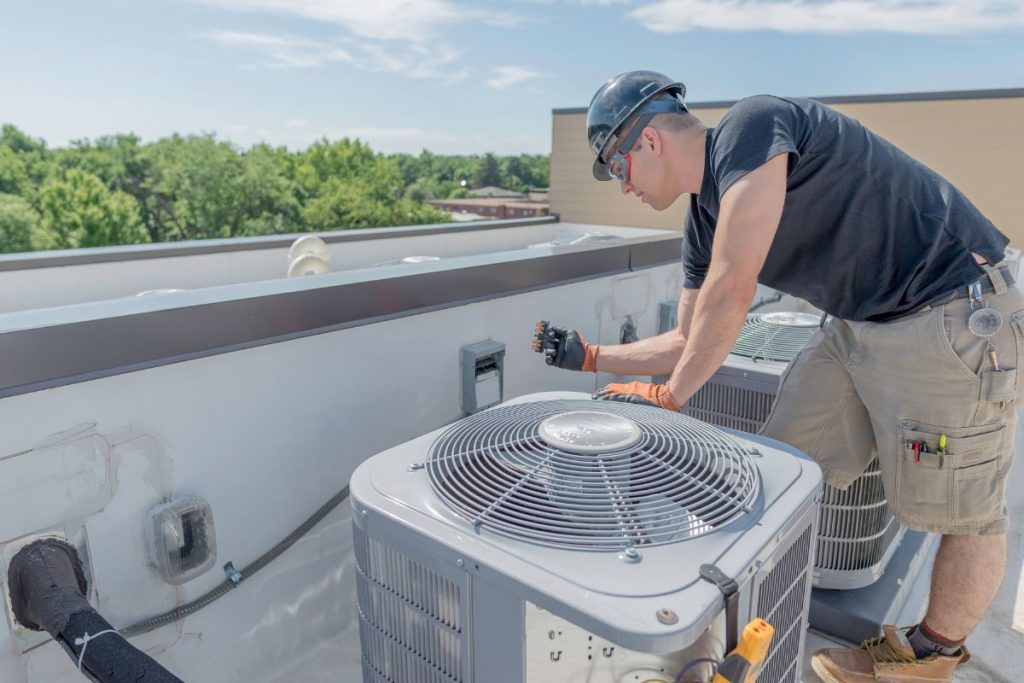
Condo HVAC Maintenance & preventive care are essential to protecting comfort, efficiency, and building performance. By prioritizing regular inspections, seasonal servicing, and professional support, condo boards and property managers can avoid costly breakdowns and extend equipment life.
Investing in proactive Condo HVAC Maintenance ensures reliable comfort for residents and long-term operational stability for the building.