

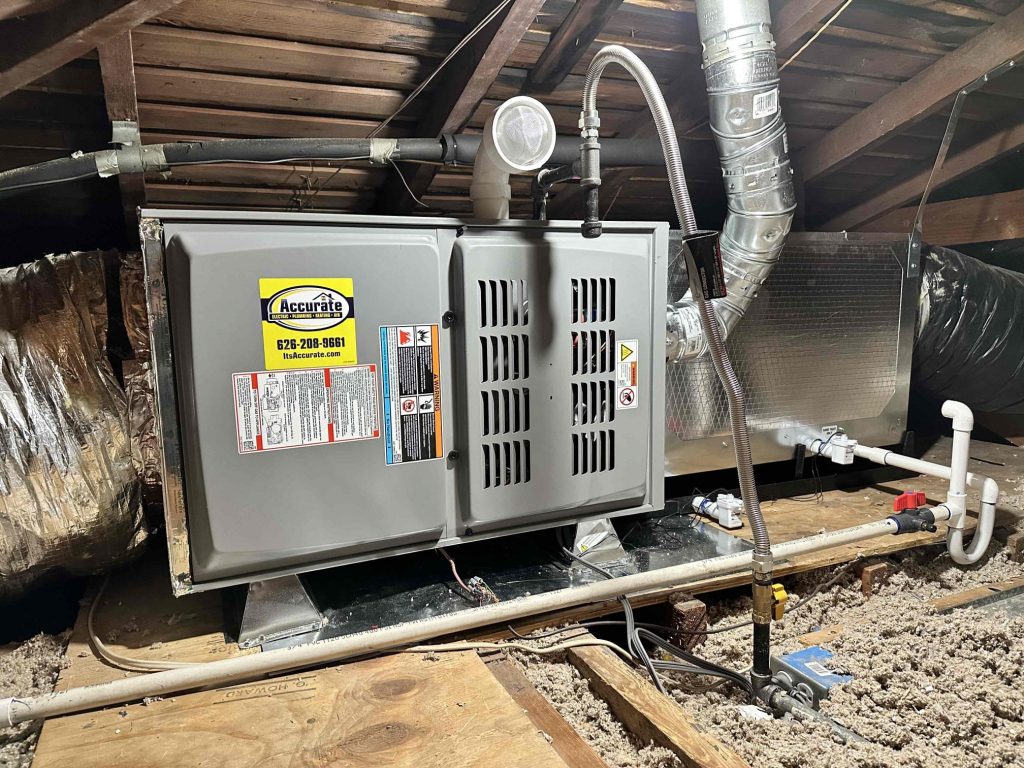
Condominium buildings present unique challenges when it comes to heating, ventilation, and air conditioning. Unlike single-family homes, condos require HVAC systems that balance individual comfort, shared infrastructure, energy efficiency, and long-term reliability. A professionally planned and executed HVAC System Installation is critical to ensuring residents enjoy consistent comfort while building owners control operational and maintenance costs.
Whether for new construction or a major retrofit, condo HVAC system installation demands specialized expertise, careful coordination, and compliance with building codes. This guide explores what goes into a successful HVAC System Installation for condominiums and why working with experienced professionals makes all the difference.
Understanding Condo HVAC System Requirements
Every condominium building is different. Factors such as building height, unit count, layout, local climate, and occupancy patterns all influence HVAC design and installation decisions. In many cases, condo HVAC systems must serve both common areas and individual units, requiring a balance between centralized and decentralized solutions.
A proper HVAC System Installation begins with evaluating the building’s mechanical infrastructure and understanding the expectations of residents and property managers. Comfort, noise levels, energy efficiency, and ease of maintenance all play a role in selecting the right system.
Common HVAC Systems Used in Condominiums
Several HVAC configurations are commonly used in condo buildings, each with its own advantages.
Centralized HVAC Systems
Centralized systems use shared equipment such as boilers, chillers, or rooftop units to provide heating and cooling throughout the building. These systems are often paired with fan coil units or air handlers in individual condos.
Centralized HVAC System Installation can offer high efficiency and easier maintenance at the building level, but it requires precise engineering to ensure balanced comfort across all units.
Individual Unit Systems
Some condos use individual HVAC units such as heat pumps or packaged terminal air conditioners (PTACs). These systems allow residents to control their own comfort and can simplify billing and energy tracking.
Proper installation is essential to prevent noise issues, airflow problems, and energy inefficiencies.
Hybrid Systems
Hybrid systems combine centralized heating or cooling with individual unit control. This approach offers flexibility while maintaining overall system efficiency, making it a popular choice in modern condo developments.
Key Steps in Condo HVAC System Installation
1. Planning and System Design
Successful HVAC System Installation starts with detailed planning. Engineers and contractors assess heating and cooling loads, ventilation requirements, and zoning needs for both common areas and individual units.
This stage ensures the system is correctly sized, reducing energy waste and preventing comfort issues.
2. Code Compliance and Permits
Condo HVAC installations must comply with local building codes, safety regulations, and energy standards. This includes ventilation requirements, fire safety considerations, and accessibility standards.
Experienced HVAC contractors handle permitting and inspections, ensuring the installation meets all regulatory requirements.
3. Equipment Selection
Choosing the right HVAC equipment is critical for long-term performance. High-efficiency units, variable-speed fans, and modern control systems are often recommended for condo buildings.
A well-planned HVAC System Installation prioritizes equipment that delivers consistent comfort while minimizing operating costs.
4. Installation and Coordination
Condo projects require careful coordination with other trades, building management, and residents. Installers must work efficiently while minimizing disruption to occupied units.
Professional teams follow strict installation standards to ensure ductwork, piping, and electrical connections are correctly installed and tested.
5. System Testing and Commissioning
Before the system goes live, thorough testing and commissioning are performed. This process verifies airflow, temperature control, and system efficiency.
Proper commissioning ensures the HVAC System Installation performs as designed from day one.
Energy Efficiency in Condo HVAC Installations
Energy efficiency is a top priority for condo boards and property managers. Rising utility costs and sustainability goals make efficient HVAC systems essential.
Modern HVAC System Installation incorporates energy-saving features such as:
- High-efficiency boilers and chillers
- Variable frequency drives (VFDs)
- Smart thermostats and building automation systems
- Energy recovery ventilation
These features reduce energy consumption while maintaining resident comfort.
Minimizing Disruption During Installation
One of the biggest challenges in condo HVAC projects is minimizing disruption to residents. Noise, access limitations, and scheduling concerns must all be managed carefully.
Professional HVAC contractors develop detailed installation plans, communicate clearly with building management, and schedule work to reduce inconvenience. This level of coordination is essential for a smooth HVAC System Installation in occupied condo buildings.
Long-Term Maintenance Considerations
A successful HVAC project doesn’t end at installation. Long-term performance depends on proper maintenance and system care.
During HVAC System Installation, contractors often provide maintenance plans, documentation, and training for building staff. Routine inspections, filter changes, and performance checks help extend equipment life and prevent costly breakdowns.
Common Mistakes to Avoid in Condo HVAC Projects
Poor HVAC installations can lead to ongoing issues. Common mistakes include:
- Improper system sizing
- Inadequate ventilation design
- Poor sound control and insulation
- Lack of coordination with building management
Avoiding these issues requires experience, planning, and professional execution.
Why Professional HVAC System Installation Matters
Condo HVAC systems are complex and demand specialized expertise. Professional HVAC System Installation ensures systems are safe, efficient, and built to last.
Experienced contractors understand the unique challenges of condominium buildings and deliver solutions that meet the needs of residents, property managers, and developers alike.
Conclusion
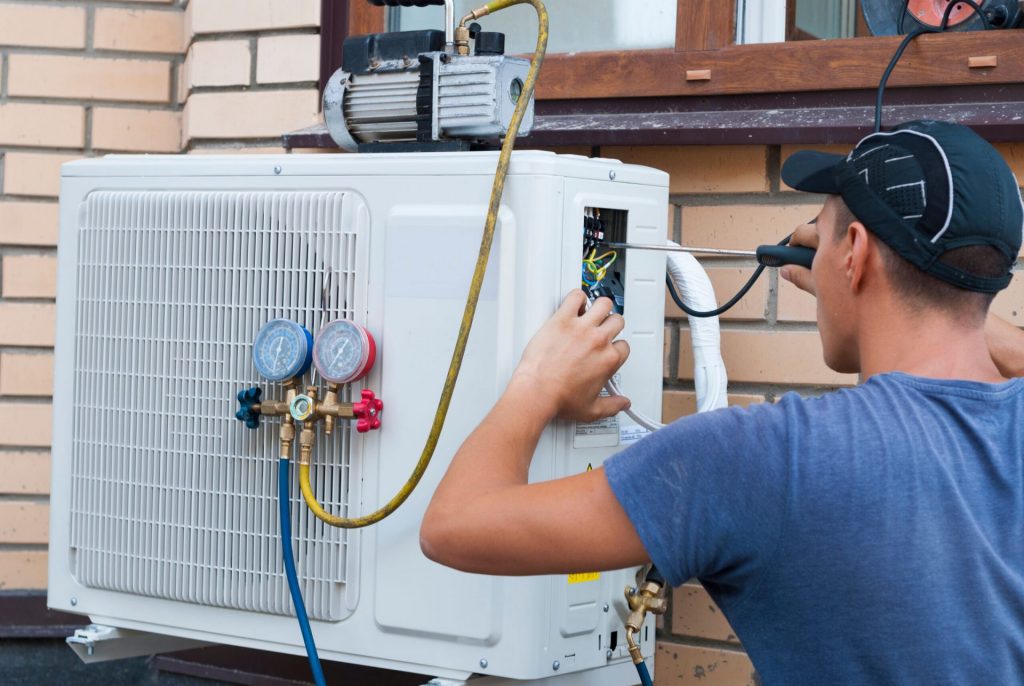
Condo HVAC system installation is a critical investment in comfort, efficiency, and long-term building performance. From system selection and planning to installation and commissioning, every step plays a role in delivering reliable indoor comfort.
By prioritizing professional HVAC System Installation, condo owners and managers can reduce energy costs, improve resident satisfaction, and protect their building’s mechanical infrastructure for years to come.