
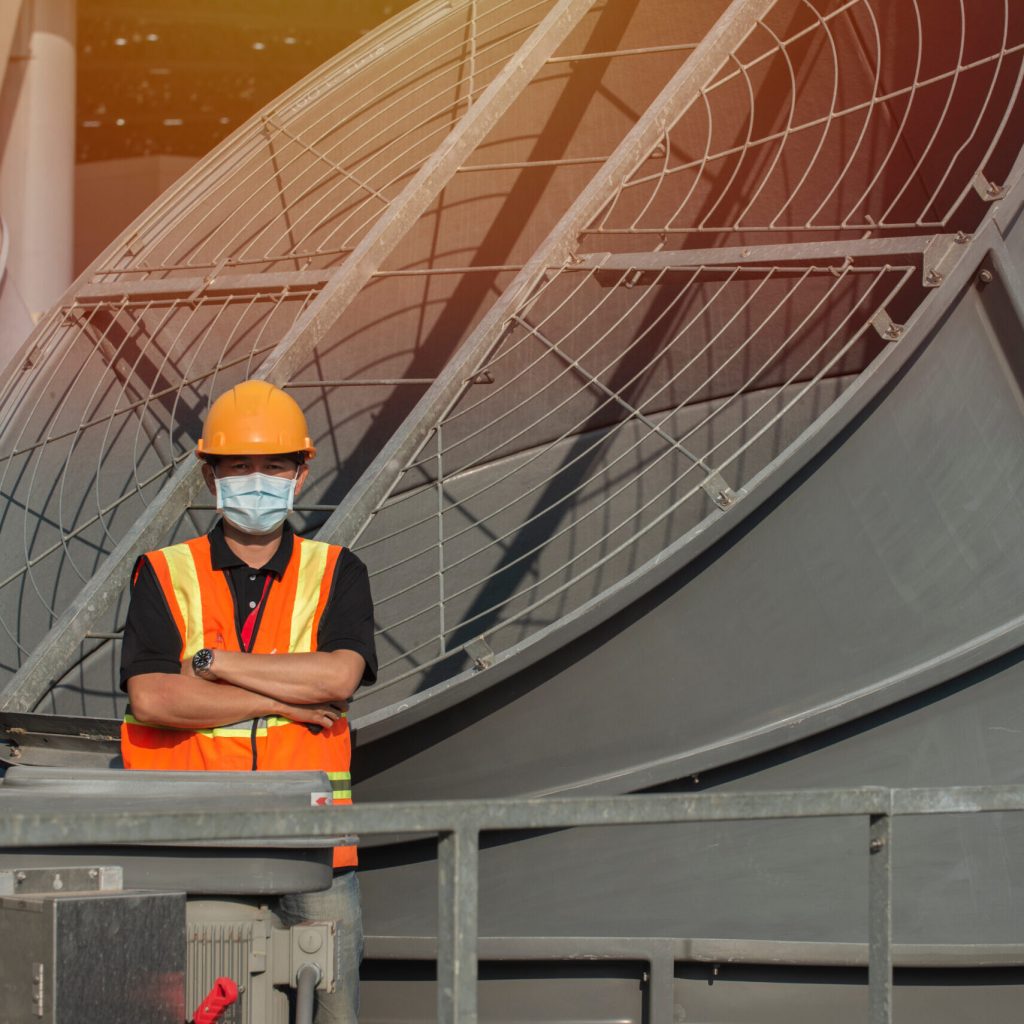
Cooling towers are essential components in commercial, industrial, and institutional facilities. They help remove heat from HVAC systems, manufacturing processes, and heavy-duty mechanical equipment. Because they operate under constant exposure to water, heat, and outdoor conditions, keeping them in optimal shape requires more than occasional cleaning—it requires consistent and thorough inspections. A proactive cooling towers inspection routine can dramatically extend equipment lifespan, improve performance, and save facilities thousands of dollars in repairs and utilities.
In this comprehensive guide, we break down why inspections are so important, what they include, and how they protect your cooling tower investment over the long term.
The Role of Cooling Towers Inspection in Building Systems
Before understanding inspection importance, it’s essential to understand what cooling towers do. A cooling tower removes heat from water by evaporating a portion of it into the air. This cooled water returns to the HVAC or process system to support chillers, condensers, or industrial equipment.
Because cooling towers handle large volumes of water and interact with outdoor air and contaminants, they naturally accumulate sediment, minerals, biological growth, and mechanical wear. A tower’s performance can decline quickly without regular oversight.
This is where a structured cooling towers inspection plan becomes vital.
Why Regular Inspections Matter
1. They Prevent Costly Breakdowns
Cooling towers operate under heavy load, especially during warm seasons. If worn components like motors, fans, belts, or fill media fail unexpectedly, the entire mechanical system can be compromised. Emergency repairs are far more expensive than preventive inspections.
Routine inspections catch early signs of wear—loose connections, misaligned fans, deteriorating fill media—before they lead to downtime.
2. Inspections Improve Energy Efficiency
When a cooling tower inspection is dirty or damaged, it struggles to reject heat efficiently. This forces chillers and HVAC systems to work harder, consuming more energy. Something as minor as scale buildup on fill can reduce tower efficiency significantly.
A thorough cooling towers inspection identifies problems such as:
- Clogged nozzles
- Scale deposits
- Debris blockage
- Airflow restrictions
Cleaning and correcting these issues optimizes performance and reduces energy waste.
3. They Enhance Water Quality Management
Cooling towers inspection rely heavily on water quality. Poor treatment can lead to scaling, corrosion, and microbial growth—all of which reduce performance and shorten equipment lifespan.
An inspection typically evaluates:
- Water clarity
- Chemical balance
- Signs of corrosion
- Presence of algae or bacteria
These insights help facility managers adjust water treatment programs before damage becomes severe.
4. Inspections Extend Equipment Lifespan
Cooling towers inspection are expensive assets. Extending their lifespan by even a few years can save significant capital costs.
Regular inspections prolong lifespan by:
- Reducing corrosion damage
- Preventing mechanical failure
- Maintaining proper airflow and water distribution
- Catching structural issues early
A well-maintained cooling tower can perform reliably for decades.
5. Inspections Support Compliance and Safety
Cooling towers are subject to several safety and operational standards, especially regarding water quality and drift control. Poorly maintained towers may pose risks related to Legionella bacteria, airborne contaminants, or structural hazards.
A detailed cooling towers inspection ensures compliance with:
- Local safety codes
- Water treatment regulations
- Manufacturer guidelines
This protects both occupants and building owners from liability.
What a Comprehensive Cooling Tower Inspection Includes
A proper inspection covers mechanical components, water distribution, structural integrity, and overall performance. Here’s what a technician typically evaluates:
Mechanical System Inspection
- Fans and Fan Motors
- Alignment, lubrication, vibration levels, motor amperage
- Belts and Drives
- Tension, wear, cracking, slippage
- Gearboxes
- Oil levels, leaks, gear condition
- Vibration Levels
- Excessive vibration indicates imbalance or failing bearings
Mechanical health affects energy efficiency, safety, and longevity.
Water Distribution Inspection
- Nozzles
- Checking for clogging, misalignment, and uneven spray patterns
- Fill Media
- Examining for scale, algae, deterioration, or sagging
- Basin and Sump Condition
- Sediment buildup, corrosion, and biological growth
- Drift Eliminators
- Ensuring they are intact and minimizing water loss
Proper water distribution ensures effective heat transfer and stable operation.
Structural Inspection
- Casing and Panels
- Checking for cracks, corrosion, or water damage
- Support Structure
- Inspecting beams, frames, and joints
- Louvers and Air Inlets
- Ensuring airflow paths are unobstructed
- Tower Alignment
- Verifying tower sections are level and secure
Structural health ensures long-term reliability and safety.
Performance Inspection
- Temperature Readings
- Measuring approach temperature and cooling capacity
- Water Flow Rates
- Identifying blockages or pump issues
- Fan Operation
- Confirming proper speeds and smooth operation
- Overall Efficiency
- Comparing performance to design specifications
Performance insights help detect issues before they affect the entire HVAC system.
How Often Should Cooling Towers Be Inspected?
The frequency of cooling towers inspection depends on factors such as tower size, usage, climate, and building demand. However, industry standards recommend:
- Monthly: Visual inspections and water quality checks
- Quarterly: Mechanical and operational testing
- Semi-annually: Deep cleaning and detailed performance checks
- Annually: Comprehensive inspection with full system review
Facilities in hot climates or industrial settings may require more frequent inspections.
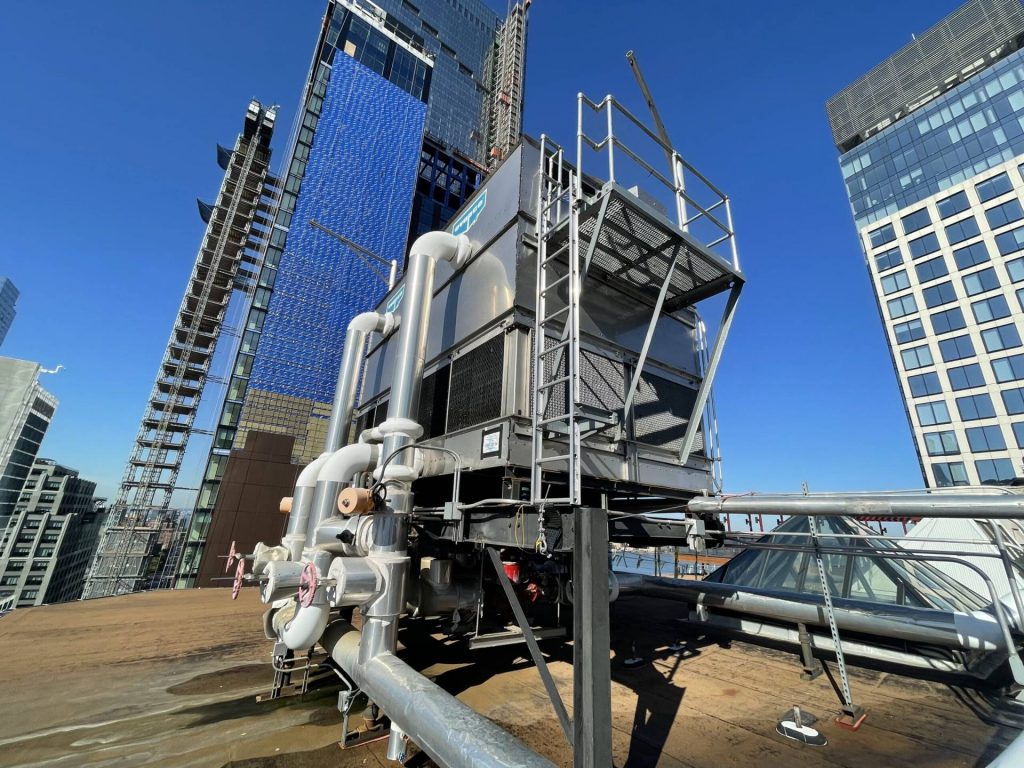
The Long-Term Benefits of Regular Cooling Tower Inspections
1. Lower Repair Costs
Catching problems early prevents expensive mechanical failures.
2. Reduced Energy Bills
Clean, efficient towers reduce chiller and HVAC load.
3. Extended Equipment Lifespan
Proper maintenance delays expensive tower replacements.
4. Improved Reliability
Minimized downtime keeps operations running smoothly.
5. Safer Operation
Inspections reduce biological risks and ensure compliance.
6. Greater Environmental Efficiency
Modern inspection practices support water conservation and reduced emissions.
Conclusion
Regular cooling towers inspections are essential for ensuring long-lasting, reliable, safe, and efficient performance. From improving energy efficiency to preventing costly breakdowns, inspections offer benefits that far outweigh their cost. By establishing a consistent cooling towers inspection schedule, facility managers can protect their investment, prevent downtime, and keep mechanical systems performing at peak capacity year-round.