
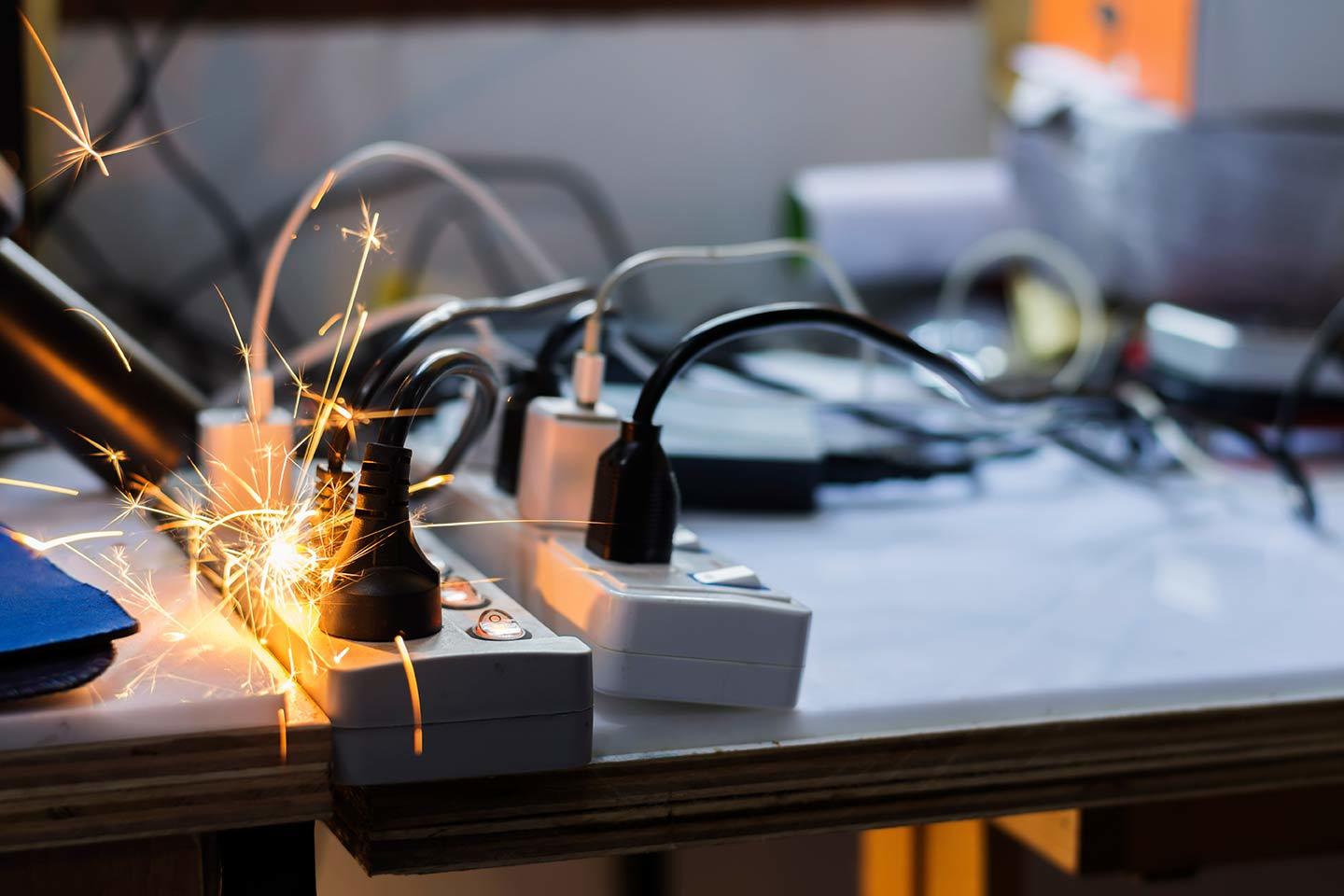
Electrical systems are the backbone of every commercial building. They power lighting, HVAC equipment, machinery, computers, and even the security and life-safety systems that keep occupants protected. Because businesses rely on electrical performance every minute of every day, any issue—big or small—can quickly escalate into a major disruption or expensive repair. That’s why identifying an electrical hazard early is critical to protecting your facility, employees, and long-term operations.
Commercial buildings face unique electrical demands that make them more susceptible to system failures, overheating, equipment damage, and even fire risks. The good news is that most serious problems begin with small, detectable warning signs. By understanding what to look for and implementing regular maintenance practices, property owners and facility managers can prevent minor issues from becoming costly emergencies.
Below, we cover the most common electrical hazards, how to detect them early, and the best strategies to protect your building from unnecessary downtime.
Why Identifying Electrical Hazards Early Matters
Electrical issues rarely occur without warning. There are often small signs long before a major failure occurs. When these signals go unnoticed, they can lead to:
- Equipment downtime
- Fire hazards
- Increased energy consumption
- Damage to expensive systems
- Unexpected repair costs
- Safety risks for employees and tenants
An early-detected electrical hazard can be corrected quickly and cost-effectively. However, when ignored, it can lead to outages, code violations, and long-term system degradation.
Proactively identifying hazards isn’t just smart—it’s essential to maintaining a safe, compliant, and reliable commercial building.
Common Electrical Hazards in Commercial Buildings
Commercial electrical systems are complex and operate under heavy loads. Because of this, they can develop a range of hazards that often go unnoticed until they cause a breakdown. Here are the most common electrical hazards and the signs that accompany them.
1. Overloaded Circuits
Overloading occurs when too much electrical demand is placed on a single circuit. This is one of the most common hazards in offices, retail spaces, and commercial facilities that rely on numerous machines, lighting systems, and electronics.
Warning signs include:
- Frequently tripped breakers
- Dim or flickering lights
- Overheated outlets or panels
- Buzzing sounds near electrical components
Ignoring overloads increases the risk of overheating, equipment damage, and electrical fires.
2. Damaged or Deteriorated Wiring
Aging, damaged, or poorly installed wiring is a serious electrical hazard that can compromise an entire building. Over time, wiring insulation breaks down due to heat, wear, or environmental conditions.
Signs of wiring issues include:
- Burning smells
- Discolored or warm outlets
- Visible frayed wires
- Intermittent power loss
Commercial buildings with older electrical systems are especially susceptible and require regular inspection.
3. Faulty Electrical Panels
Your electrical panel is the control hub of your building’s power distribution. When panels become outdated, overloaded, or damaged, they can fail without warning—causing widespread outages.
Panel-related hazard indicators:
- Breakers that won’t reset
- Scorch marks or discoloration
- Crackling or popping sounds
- Excessive heat on panel surfaces
A faulty or aging panel is a major safety issue and must be replaced immediately.
4. Improper Extension Cord or Power Strip Usage
Many commercial facilities rely heavily on extension cords and power bars, particularly in offices and retail spaces. When used improperly, these temporary devices can create a significant electrical hazard.
Red flags include:
- Daisy-chained extension cords
- Power strips overloaded with devices
- Cords running under carpets
- Damaged or exposed wires
Temporary power solutions should not replace permanent wiring or outlets.
5. Water Exposure Near Electrical Equipment
Electrical systems and water do not mix. Moisture around outlets, panels, or wiring increases the risk of shock, corrosion, or system failure.
Signs of moisture-related hazards:
- Rust around electrical components
- Water stains near panels
- Dampness in mechanical or boiler rooms
- Condensation on electrical equipment
Leaks, humidity, and poor drainage should be addressed immediately to protect electrical safety.
6. Malfunctioning Lighting Systems
Lighting is often overlooked, but flickering, dimming, or constantly burned-out lights can signal underlying electrical problems.
Common lighting-related hazards:
- Ballast failures
- Loose wiring
- Voltage drops
- Overheated fixtures
These signs shouldn’t be dismissed as simple bulb issues—they often point to deeper electrical faults.
7. Lack of Proper Grounding
Proper grounding protects equipment and occupants from electrical shock and high-voltage surges. When grounding becomes loose, corroded, or insufficient, the entire electrical system becomes unsafe.
Grounding-related warning signs:
- Tingling sensations when touching equipment
- Frequent breaker trips
- Unusual electrical fluctuations
- Evidence of corrosion on grounding rods or wires
A system without proper grounding is a severe hazard that requires immediate correction.
How to Detect Electrical Hazards Before They Become Costly
Responding to electrical issues early is the best defense against downtime and damage. Here are effective ways facility managers can identify and prevent hazards.
1. Schedule Routine Electrical Inspections
Professional inspections are the most reliable way to catch problems before they escalate. Trained electricians use specialized tools to evaluate panels, wiring, grounding, and more.
Regular inspections uncover:
- Hidden wiring damage
- Breaker issues
- Overheated components
- Load imbalances
- Safety and code violations
A routine inspection schedule—annually or semi-annually—keeps your electrical system safe and compliant.
2. Utilize Thermal Imaging
Thermal imaging scans detect hot spots, overloaded circuits, and failing components long before they become visible hazards. This technology identifies issues that cannot be seen with the naked eye.
Typical discoveries include:
- Overheated breakers
- Loose or corroded connections
- Damaged wiring
- Overloaded circuits
Thermal imaging is one of the most effective preventive maintenance tools for commercial buildings.
3. Monitor Equipment Performance
Slow performance, frequent shutdowns, or unusual noises may indicate electrical stress. Equipment often shows signs of an electrical hazard before the electrical system itself does.
Track and report any changes in:
- HVAC system performance
- Lighting behavior
- Machinery operation
- Computer and server stability
Any unusual activity should be investigated promptly.
4. Listen for Unusual Sounds
Buzzing, humming, or crackling near outlets and panels is never normal. These sounds often indicate loose connections, arcing, or overloaded circuits—each a potentially dangerous electrical hazard.
If noise is detected, immediately power off the affected circuit and call a qualified technician.
5. Train Staff to Recognize Hazard Signs
In large commercial buildings, staff are often the first to notice warning signs. Training them to spot electrical hazards helps catch problems early.
Provide training on identifying:
- Burning smells
- Flickering lights
- Overheated equipment
- Exposed wiring
- Frequent tripped breakers
Encouraging quick reporting can prevent emergencies.
Preventing Electrical Hazards with Professional Maintenance
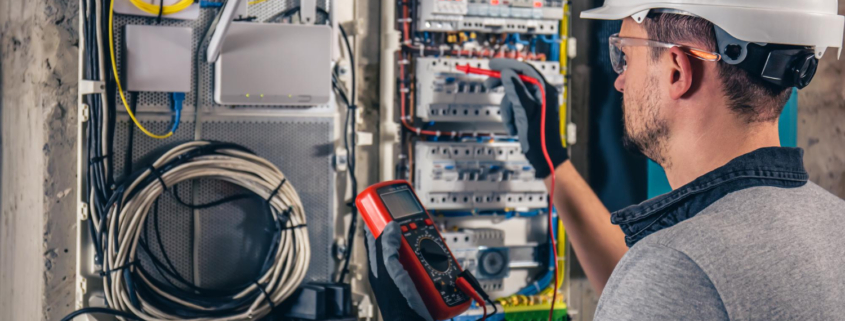
The best way to prevent a costly electrical hazard is through a proactive maintenance plan designed specifically for commercial buildings.
A comprehensive program includes:
- Regular inspections
- Panel maintenance
- Load testing
- Wiring assessments
- Emergency system testing
- Lighting maintenance
- Thermal imaging scans
- Code compliance updates
By keeping your system in optimal condition, you protect your building from unexpected failures, reduce repair costs, and safeguard every occupant inside.