


Storage tanks are essential for businesses across industries such as manufacturing, agriculture, utilities, and fuel distribution. They store critical materials like water, chemicals, petroleum, and other liquids. While storage tanks are vital to operations, they also pose significant safety risks if not properly maintained and managed. Ensuring proper storage tank safety is not just a regulatory requirement—it’s a fundamental practice for protecting employees, property, and the environment.
In this article, we’ll cover the essential storage tank safety guidelines that every business should follow to prevent accidents, reduce liability, and maintain efficient operations.
Why Storage Tank Safety Matters
Improper handling or maintenance of storage tanks can lead to a range of hazards, including:
- Leaks and spills – Harmful liquids or chemicals can contaminate the environment or create fire hazards.
- Structural failures – Corrosion, overpressure, or poor installation may lead to tank collapse.
- Fire and explosions – Flammable liquids stored improperly can ignite, causing severe damage.
- Health hazards – Exposure to toxic chemicals can endanger employees and the surrounding community.
Following storage tank safety guidelines ensures your business protects personnel, maintains compliance, and avoids costly incidents.
1. Conduct Regular Inspections
One of the most important aspects of storage tank safety is consistent inspection. Regular checks allow you to detect early signs of wear, corrosion, leaks, or other potential problems before they escalate.
Key inspection points include:
- Tank walls and base – Check for rust, corrosion, dents, or cracks.
- Valves and fittings – Ensure all seals, gaskets, and connections are intact.
- Foundation and supports – Confirm stability and ensure no ground shifting or erosion.
- External environment – Look for signs of chemical spills, damage from vehicles, or environmental hazards.
Inspections should be scheduled based on the tank material, type of stored product, and industry standards. Many businesses perform annual inspections, with more frequent checks for high-risk materials.
2. Implement Proper Ventilation Systems
Proper ventilation is critical for storage tank safety, especially for tanks storing flammable or volatile liquids. Ventilation prevents pressure buildup, reduces condensation, and lowers the risk of toxic gas accumulation.
- Install pressure relief valves to manage excess pressure.
- Ensure vents are clear of debris and functioning properly.
- Maintain adequate airflow around tanks to reduce environmental hazards.
Poor ventilation can lead to structural stress, chemical reactions, and dangerous explosions. Regularly monitoring and maintaining ventilation systems is essential.
3. Apply Corrosion Prevention Measures
Corrosion is a major contributor to tank failure and a serious storage tank safety concern. Metal tanks exposed to moisture or chemicals are particularly susceptible to corrosion, which can weaken the tank and cause leaks.
Ways to prevent corrosion include:
- Protective coatings – Apply paints or epoxy linings to prevent rust.
- Cathodic protection – Use sacrificial anodes or impressed current systems for underground or metal tanks.
- Regular cleaning – Remove sludge or sediments that can accelerate corrosion.
- Environmental monitoring – Minimize exposure to moisture, humidity, or chemicals.
By addressing corrosion proactively, businesses can extend the lifespan of storage tanks and reduce the risk of leaks or structural failures.
4. Follow Proper Loading and Unloading Procedures
Handling liquids incorrectly can compromise storage tank safety. Overfilling or improper filling can cause spills, structural stress, or dangerous overpressure.
- Monitor tank levels with gauges and automated systems.
- Train staff on safe loading and unloading practices.
- Use secondary containment to catch spills or leaks.
- Avoid sudden pumping or rapid filling that can stress tank walls.
Safe handling procedures help prevent accidents and protect both personnel and the surrounding environment.
5. Ensure Fire and Explosion Protection
Tanks storing flammable liquids or chemicals require robust fire safety measures. Fires and explosions pose one of the highest risks in storage tank operations.
- Install fire suppression systems like sprinklers or foam systems.
- Keep flammable materials away from ignition sources.
- Maintain adequate spacing between tanks to prevent fire spread.
- Train staff in emergency response and firefighting procedures.
Fire prevention and response are critical to maintaining storage tank safety, protecting both property and lives.
6. Maintain Documentation and Compliance Records
Maintaining thorough documentation is vital for storage tank safety and regulatory compliance. Accurate records help track inspections, maintenance, and repairs while supporting audits or legal inquiries.
Essential documentation includes:
- Inspection reports
- Maintenance and repair logs
- Safety training records
- Compliance certifications for local, state, or federal regulations
These records ensure accountability and help businesses identify trends or recurring issues to improve safety practices.
7. Train Employees on Safety Procedures
Employees play a critical role in storage tank safety. Well-trained staff can identify hazards, respond appropriately, and prevent accidents.
Training should cover:
- Tank inspection and monitoring
- Handling hazardous liquids safely
- Emergency response and evacuation procedures
- Use of personal protective equipment (PPE)
A safety-conscious workforce reduces the likelihood of accidents and reinforces a culture of responsibility.
8. Implement Secondary Containment
Secondary containment systems act as a backup to catch leaks or spills, reducing environmental and safety risks.
- Dikes or berms around tanks can contain spilled liquids.
- Double-walled tanks provide an extra layer of protection.
- Spill kits and emergency equipment should be readily available.
Secondary containment is especially critical for businesses storing hazardous or flammable substances.
9. Regularly Service Safety Equipment
Equipment such as pressure relief valves, alarms, and fire suppression systems must be regularly serviced. Failure of these systems can result in catastrophic incidents.
- Test alarms and sensors frequently.
- Inspect and service fire suppression systems.
- Replace worn or malfunctioning components immediately.
Proactive equipment maintenance is an essential component of comprehensive storage tank safety.
10. Plan for Emergencies
Despite the best preventive measures, accidents can still occur. Having an emergency plan ensures rapid response to minimize damage.
- Develop emergency procedures for leaks, spills, fires, and chemical exposure.
- Conduct regular drills with staff.
- Coordinate with local authorities for rapid response in case of major incidents.
- Ensure emergency equipment is accessible and functional at all times.
Preparedness reduces the impact of accidents and enhances overall storage tank safety.
Conclusion
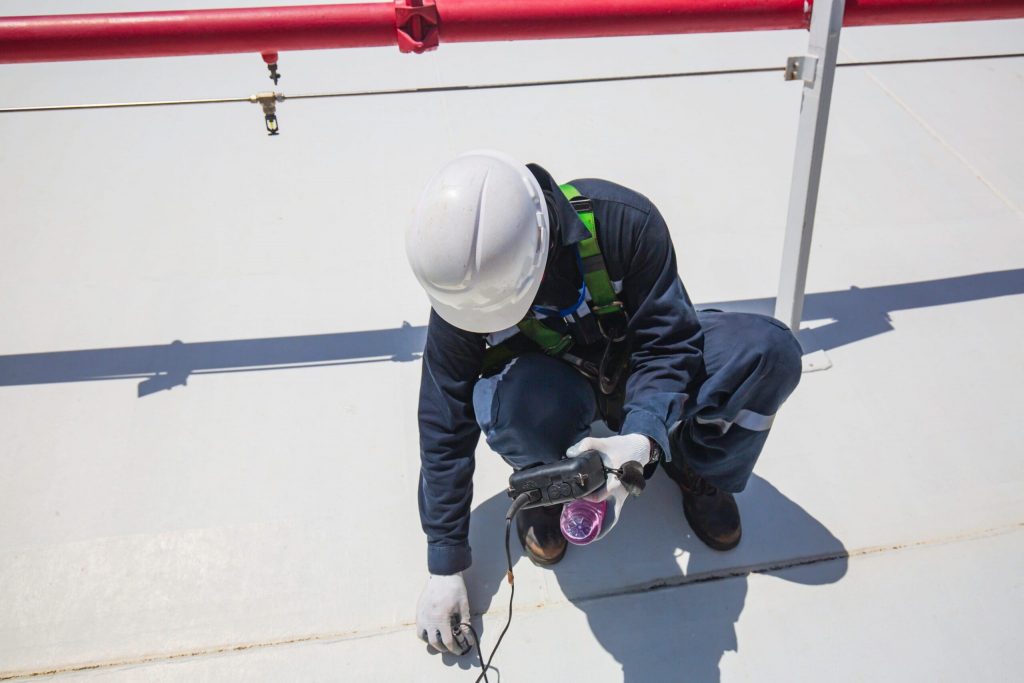
Implementing proper storage tank safety guidelines is essential for any business that relies on tanks to store liquids or chemicals. By focusing on regular inspections, corrosion prevention, proper handling, fire protection, employee training, and emergency preparedness, businesses can minimize risks, maintain compliance, and ensure operational efficiency.
Safety should never be an afterthought—proactive measures not only protect employees and the environment but also safeguard the business’s assets and reputation. Following these guidelines will help your storage tanks perform safely and efficiently for years to come.