

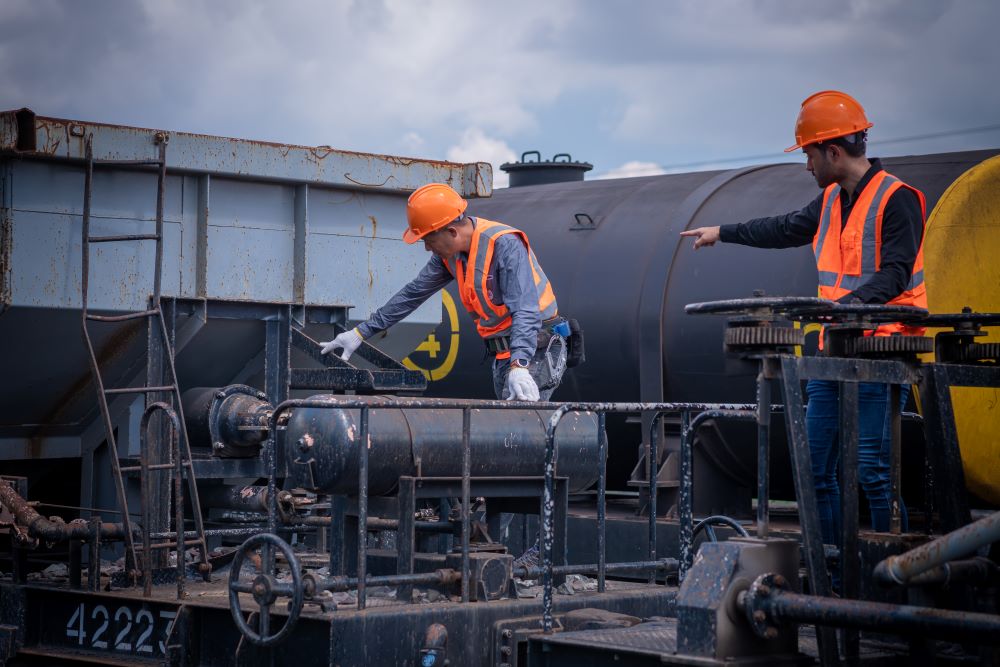
Storage tanks play a critical role across many industries, from manufacturing and agriculture to commercial facilities and utilities. Whether used for storing water, chemicals, fuel, or other materials, these tanks must remain in optimal condition to ensure safety, efficiency, and compliance. That’s where storage tank maintenance becomes essential.
Proper maintenance not only extends the life of your storage tanks but also helps prevent costly repairs, environmental hazards, and operational downtime. In this guide, we’ll explore the best practices for effective storage tank maintenance and how they contribute to long-term performance.
Why Storage Tank Maintenance Matters
Neglecting routine maintenance can lead to corrosion, leaks, contamination, and even structural failure. These issues can disrupt operations, damage property, and pose serious safety risks.
Consistent storage tank maintenance ensures:
- Improved durability and lifespan
- Reduced risk of leaks and contamination
- Compliance with safety and environmental regulations
- Lower long-term repair and replacement costs
By taking a proactive approach, businesses can avoid unexpected problems and maintain reliable storage systems year-round.
1. Conduct Regular Inspections
Routine inspections are the foundation of effective storage tank maintenance. Regularly checking your tanks allows you to identify minor issues before they become major problems.
Key areas to inspect include:
- Exterior surfaces for rust, cracks, or damage
- Interior linings for signs of corrosion or wear
- Valves, fittings, and connections for leaks
- Foundation and support structures for stability
Schedule inspections at least annually, or more frequently depending on usage and the type of material stored.
2. Implement a Cleaning Schedule
Over time, sediment, sludge, and contaminants can accumulate inside storage tanks. This buildup can compromise the quality of stored materials and reduce tank efficiency.
A proper cleaning routine is a vital part of storage tank maintenance. Depending on the tank’s purpose, cleaning may involve:
- Draining and flushing the tank
- Removing sludge and residue
- Sanitizing interior surfaces
- Disposing of waste materials safely
Regular cleaning helps maintain product integrity and prevents corrosion caused by chemical reactions or bacterial growth.
3. Prevent and Manage Corrosion
Corrosion is one of the most common threats to storage tanks, especially those made of metal. It can weaken the tank structure and lead to leaks or failures if not addressed promptly.
To minimize corrosion:
- Apply protective coatings or linings
- Use corrosion-resistant materials when possible
- Install cathodic protection systems
- Monitor moisture levels and environmental conditions
Including corrosion control in your storage tank maintenance plan is essential for extending the life of your tank.
4. Monitor Tank Levels and Pressure
Maintaining proper tank levels and pressure is crucial for both safety and efficiency. Overfilling or excessive pressure can strain the tank and increase the risk of damage.
Use monitoring systems to track:
- Liquid levels
- Pressure readings
- Temperature changes
Automated systems can provide real-time alerts, allowing you to respond quickly to any irregularities. This proactive approach is a key component of modern storage tank maintenance.
5. Ensure Proper Ventilation
Ventilation is often overlooked but plays a vital role in maintaining storage tank integrity. Poor ventilation can lead to pressure buildup, condensation, and even hazardous conditions.
To improve ventilation:
- Check vents for blockages or damage
- Ensure proper airflow in and out of the tank
- Install pressure relief valves if necessary
Good ventilation supports safe operation and reduces the risk of internal damage.
6. Maintain Documentation and Records
Keeping detailed maintenance records is essential for tracking the condition of your storage tanks over time. Documentation also helps ensure compliance with industry regulations.
Important records include:
- Inspection reports
- Cleaning schedules
- Repair and maintenance logs
- Compliance certifications
Accurate documentation not only supports effective storage tank maintenance but also provides valuable insights for future planning.
7. Address Repairs Immediately
Small issues can quickly escalate if left unattended. Whether it’s a minor leak, a loose fitting, or early signs of corrosion, prompt repairs are crucial.
Delaying repairs can lead to:
- Increased damage and repair costs
- Safety hazards
- Environmental contamination
A responsive maintenance strategy ensures your storage tanks remain safe and operational at all times.
8. Train Staff on Proper Procedures
Your maintenance plan is only as effective as the people تنفيذ it. Ensuring that your team is properly trained in storage tank maintenance procedures is critical.
Training should cover:
- Inspection techniques
- Safety protocols
- Emergency response procedures
- Proper use of equipment and tools
Well-trained staff can identify issues early and handle maintenance tasks efficiently, reducing the risk of errors.
9. Comply with Regulations and Standards
Storage tanks are subject to various local, provincial, and federal regulations. These rules are designed to ensure safety, environmental protection, and operational reliability.
Compliance involves:
- Following inspection and maintenance guidelines
- Using approved materials and equipment
- Meeting environmental and safety standards
Staying compliant not only avoids legal issues but also reinforces the importance of consistent storage tank maintenance.
10. Consider Professional Maintenance Services
While in-house maintenance is important, partnering with professional service providers can offer additional expertise and resources.
Professional services may include:
- Advanced inspections using specialized tools
- Thorough cleaning and decontamination
- Repairs and upgrades
- Compliance assessments
Investing in expert support can enhance your overall storage tank maintenance strategy and ensure optimal performance.
Conclusion

Effective storage tank maintenance is essential for ensuring long-term performance, safety, and reliability. By implementing regular inspections, cleaning routines, corrosion prevention, and proper monitoring, businesses can protect their assets and avoid costly disruptions.
A proactive approach not only extends the lifespan of storage tanks but also supports compliance and operational efficiency. Whether you manage a single tank or an entire system, prioritizing maintenance is a smart investment in your facility’s future.
If you’re looking to improve your maintenance strategy, start by evaluating your current practices and identifying areas for improvement. With the right plan in place, your storage tanks can deliver dependable performance for years to come.