

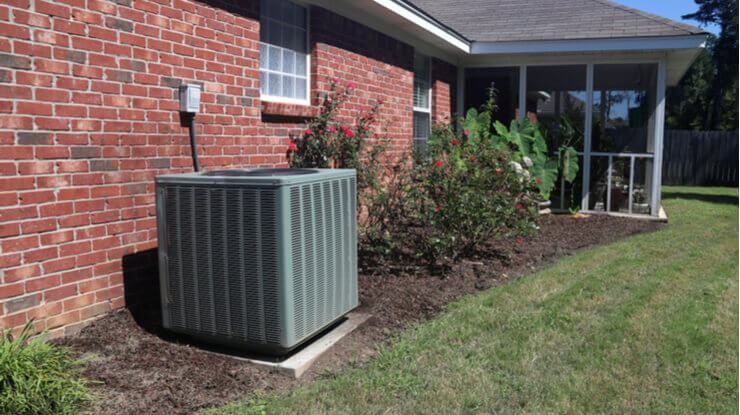
As winter transitions into warmer weather, your HVAC system shifts from heating to cooling mode. While spring brings milder temperatures, it can also reveal hidden issues that developed during the colder months. For businesses, ignoring these concerns can lead to costly breakdowns, uncomfortable indoor environments, and increased energy bills.
Understanding the most common spring HVAC problems and how to prevent them is essential for maintaining efficiency and ensuring uninterrupted operations.
Why Spring HVAC Problems Occur
After months of continuous use during winter, HVAC systems often experience wear and tear. Dust buildup, clogged components, and neglected maintenance can all contribute to performance issues.
Additionally, the sudden switch to cooling mode can expose problems that weren’t noticeable when the system was heating your building. That’s why spring is the ideal time to inspect and address potential issues early.
1. Dirty or Clogged Air Filters
One of the most frequent spring HVAC problems is dirty air filters. Over time, filters collect dust, debris, and allergens, restricting airflow and reducing efficiency.
How to Avoid It:
- Check filters monthly
- Replace or clean them regularly
- Use high-quality commercial filters
Clean filters improve airflow, reduce strain on your system, and enhance indoor air quality.
2. Poor Airflow
If certain areas of your building feel warmer or cooler than others, poor airflow may be the issue. This can result from blocked vents, dirty ducts, or failing components.
How to Avoid It:
- Ensure vents are open and unobstructed
- Inspect ductwork for blockages or leaks
- Schedule professional duct cleaning if needed
Proper airflow ensures consistent comfort throughout your facility.
3. Refrigerant Leaks
Refrigerant is essential for cooling your building. Low refrigerant levels due to leaks can reduce cooling performance and increase energy consumption.
Signs of a Refrigerant Problem:
- Weak cooling
- Ice buildup on coils
- Hissing or bubbling sounds
How to Avoid It:
- Schedule regular inspections
- Address leaks immediately
- Avoid overworking the system
Professional technicians can safely handle refrigerant issues and restore system efficiency.
4. Dirty Coils
Evaporator and condenser coils are crucial for heat exchange. When they become dirty, your system has to work harder to cool your space.
How to Avoid It:
- Clean coils during spring maintenance
- Keep outdoor units free of debris
- Ensure proper airflow around the unit
Regular cleaning helps maintain optimal performance and energy efficiency.
5. Thermostat Malfunctions
A faulty thermostat can lead to inconsistent temperatures, short cycling, or higher energy bills.
Common Issues:
- Incorrect temperature readings
- System not responding
- Frequent cycling
How to Avoid It:
- Test thermostat functionality
- Replace batteries if needed
- Upgrade to a programmable or smart thermostat
Accurate temperature control improves comfort and reduces unnecessary system use.
6. Electrical Problems
Electrical issues are among the more serious spring HVAC problems and can lead to system failure or safety hazards.
Potential Causes:
- Loose connections
- Worn wiring
- Failing capacitors
How to Avoid It:
- Schedule professional inspections
- Address unusual noises or system shutdowns
- Avoid DIY electrical repairs
Routine checks ensure safe and reliable operation.
7. Blocked or Dirty Condensate Drains
Your HVAC system removes moisture from the air, and that moisture is drained through condensate lines. When these lines become clogged, it can lead to water damage and increased humidity.
How to Avoid It:
- Inspect and clean drain lines
- Check drain pans for standing water
- Ensure proper drainage
Keeping the drainage system clear helps prevent mold growth and moisture issues.
8. Outdoor Unit Obstructions
During winter, outdoor units often collect leaves, dirt, and debris. This buildup can restrict airflow and reduce efficiency.
How to Avoid It:
- Clear debris from around the unit
- Maintain at least 2 feet of clearance
- Trim nearby plants or shrubs
A clean outdoor unit ensures proper airflow and system performance.
9. Strange Noises or Odors
Unusual sounds or smells can indicate underlying problems with your HVAC system.
Common Warning Signs:
- Grinding or squealing noises
- Musty or burning odors
- Rattling components
How to Avoid It:
- Investigate issues early
- Schedule professional maintenance
- Replace worn or damaged parts
Ignoring these signs can lead to more serious and expensive repairs.
10. Lack of Preventive Maintenance
One of the biggest causes of spring HVAC problems is simply neglecting regular maintenance. Without routine inspections, small issues can quickly escalate into major system failures.
How to Avoid It:
- Create a seasonal maintenance schedule
- Partner with a professional HVAC service provider
- Keep maintenance records
Preventive care is the most effective way to ensure long-term system reliability.
The Importance of Professional HVAC Service
While some maintenance tasks can be handled internally, professional technicians provide a deeper level of inspection and care. They can identify hidden issues, optimize system performance, and ensure all components are functioning correctly.
Investing in professional maintenance not only reduces downtime but also helps your business avoid costly emergency repairs during peak seasons.
Tips to Keep Your HVAC System Running Smoothly This Spring
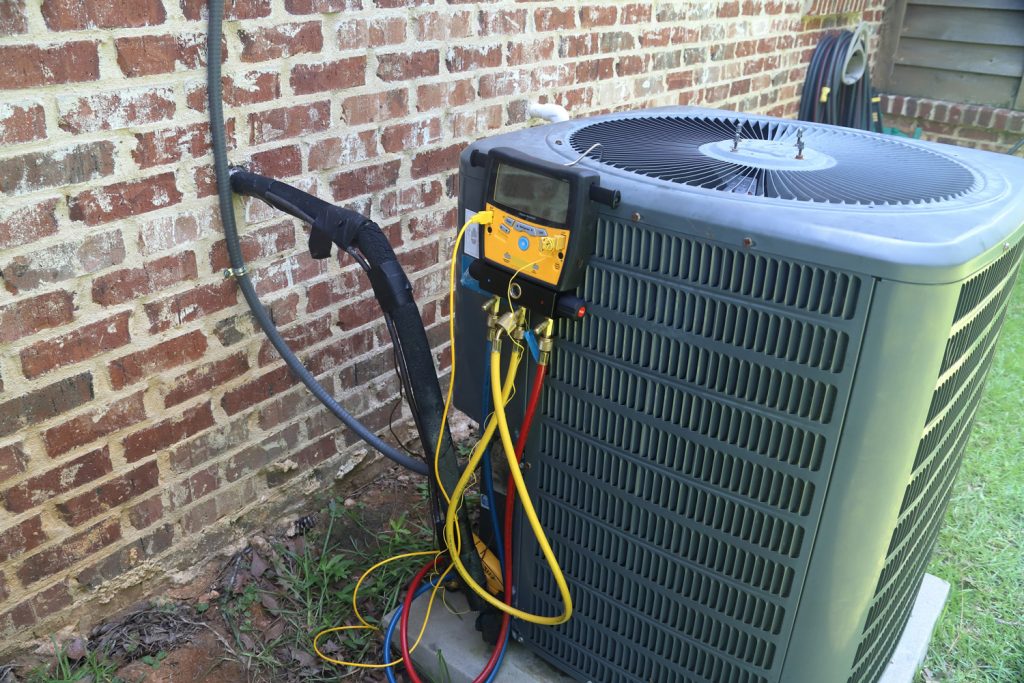
To minimize spring HVAC problems, follow these best practices:
- Schedule maintenance early in the season
- Replace filters regularly
- Keep indoor and outdoor units clean
- Monitor system performance
- Address issues promptly
Proactive care goes a long way in maintaining efficiency and preventing disruptions.
Conclusion
Spring is a critical time for HVAC maintenance, as systems transition from heating to cooling. By understanding and addressing common spring HVAC problems, businesses can improve efficiency, reduce energy costs, and avoid unexpected breakdowns.
From dirty filters to refrigerant leaks, each issue has a solution—especially when caught early. Taking the time to perform regular inspections and schedule professional maintenance ensures your HVAC system is ready to handle the demands of warmer weather.
Don’t wait until problems escalate. Stay ahead this spring and keep your business comfortable, efficient, and running smoothly all season long.