

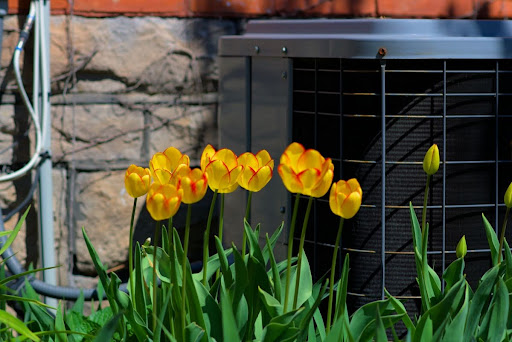
As winter fades and temperatures begin to rise, businesses must prepare their heating and cooling systems for the seasonal transition. Spring HVAC maintenance is the ideal time to ensure your HVAC system is running efficiently before the demands of summer arrive. A well-maintained system not only improves comfort but also reduces energy costs, prevents breakdowns, and extends the lifespan of your equipment.
In this guide, we’ll walk you through a complete spring HVAC maintenance checklist to help your business stay ahead of costly repairs and operational disruptions.
Why Spring HVAC Maintenance Matters
Seasonal maintenance is essential for commercial HVAC systems that work hard year-round. After months of heating during winter, your system needs a thorough inspection and tune-up to prepare for cooling demands.
Investing in spring HVAC maintenance offers several benefits:
- Improved energy efficiency
- Lower utility bills
- Reduced risk of unexpected breakdowns
- Better indoor air quality
- Extended equipment lifespan
Ignoring routine maintenance can lead to system inefficiencies and costly emergency repairs—something no business wants during peak operating months.
1. Replace or Clean Air Filters
One of the simplest yet most important tasks in any spring HVAC maintenance plan is checking your air filters.
Dirty or clogged filters restrict airflow, forcing your system to work harder and consume more energy. This not only increases your utility bills but can also lead to overheating and system damage.
What to do:
- Inspect filters monthly
- Replace or clean filters as needed
- Use high-quality commercial-grade filters
Clean filters help maintain proper airflow and improve indoor air quality for employees and customers.
2. Inspect and Clean Coils
Your HVAC system’s evaporator and condenser coils play a critical role in heat exchange. Over time, dirt and debris can accumulate on these coils, reducing efficiency.
During spring HVAC maintenance:
- Clean evaporator coils
- Remove debris from condenser coils
- Ensure proper airflow around outdoor units
Clean coils allow your system to cool more effectively and reduce energy consumption.
3. Check Thermostat Settings and Calibration
Your thermostat controls how efficiently your HVAC system operates. If it’s not calibrated correctly, your system may run longer than necessary.
Spring checklist:
- Test thermostat accuracy
- Adjust settings for warmer weather
- Consider upgrading to a programmable or smart thermostat
Optimizing your thermostat settings is a simple way to enhance comfort and reduce energy costs.
4. Inspect Ductwork for Leaks and Blockages
Leaky or blocked ducts can significantly reduce HVAC efficiency by allowing conditioned air to escape.
Key steps:
- Inspect visible ductwork for damage
- Seal leaks or gaps
- Remove obstructions
Properly sealed ducts ensure that cool air reaches every part of your building, improving overall performance.
5. Examine Electrical Components
Faulty electrical connections can cause system failures or even safety hazards. Spring is the perfect time to ensure everything is functioning properly.
Maintenance tasks include:
- Tightening electrical connections
- Checking wiring for wear or damage
- Testing system controls
Regular inspections help prevent unexpected breakdowns and ensure safe operation.
6. Lubricate Moving Parts
Friction between moving components can cause wear and tear on your HVAC system. Lubricating these parts helps them operate smoothly.
What to focus on:
- Motors
- Bearings
- Fans
Proper lubrication reduces strain on your system and improves efficiency.
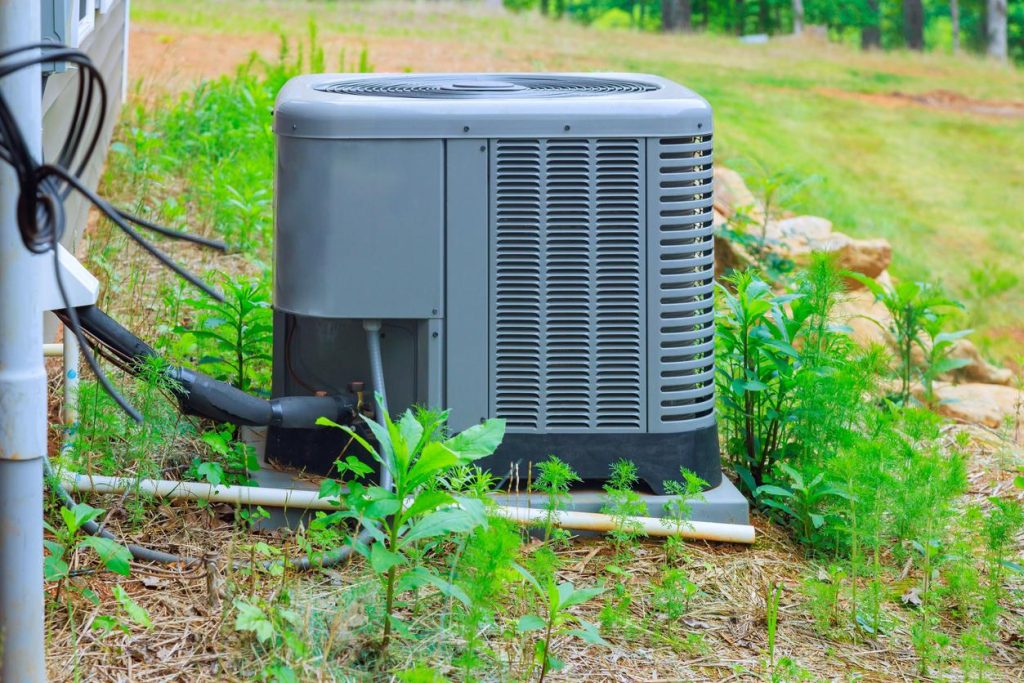
7. Clear Debris Around Outdoor Units
Outdoor HVAC units often collect leaves, dirt, and debris during the winter months. This buildup can block airflow and reduce performance.
Spring HVAC maintenance tip:
- Clear at least 2 feet of space around the unit
- Remove debris from the top and sides
- Trim nearby vegetation
Keeping the area clean ensures optimal airflow and system efficiency.
8. Test System Performance
Before temperatures rise, it’s important to test your system to ensure it’s ready for cooling season.
What to check:
- Turn on the air conditioning system
- Monitor airflow and temperature output
- Listen for unusual noises
Early testing allows you to identify and address issues before they become major problems.
9. Inspect Drain Lines and Pans
Clogged condensate drain lines can cause water damage and increase humidity levels in your building.
Maintenance steps:
- Check drain lines for clogs
- Clean drain pans
- Ensure proper drainage
Keeping these components clear helps prevent moisture-related issues and maintains indoor comfort.
10. Schedule Professional HVAC Maintenance
While some tasks can be handled in-house, a professional inspection is essential for a comprehensive spring HVAC maintenance plan.
Experienced technicians can:
- Perform detailed system diagnostics
- Identify hidden issues
- Optimize system performance
Scheduling regular maintenance with a trusted HVAC provider ensures your system operates at peak efficiency throughout the season.
Additional Tips for Businesses
To get the most out of your HVAC system this spring, consider these best practices:
- Create a maintenance schedule: Stay consistent with inspections and servicing
- Train staff: Encourage employees to report unusual system behavior
- Upgrade when necessary: Older systems may benefit from energy-efficient replacements
Proactive maintenance not only protects your investment but also ensures a comfortable environment for everyone in your building.
Conclusion
Spring is the perfect time to prepare your HVAC system for the demands of warmer weather. By following this comprehensive spring HVAC maintenance checklist, businesses can improve efficiency, reduce costs, and avoid unexpected breakdowns.
From replacing air filters to scheduling professional inspections, every step plays a crucial role in keeping your system running smoothly. Don’t wait until summer heat puts your HVAC system under pressure—take action now and enjoy reliable performance all season long.