

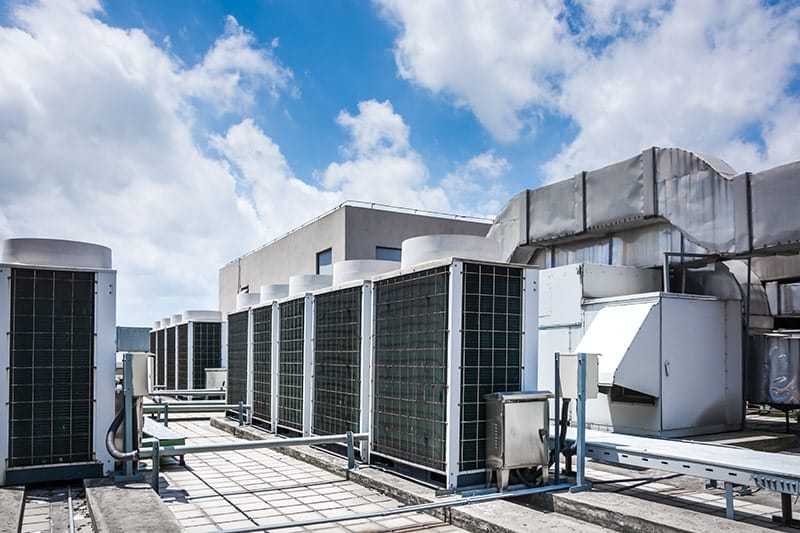
In today’s competitive business environment, property owners and facility managers are constantly searching for ways to reduce operational costs, increase efficiency, and improve indoor comfort. One of the most effective ways to achieve all three is through the integration of Modern commercial HVAC systems. These advanced systems are built with innovative technology designed to deliver superior climate control while significantly lowering energy use.
Whether you manage an office building, retail store, restaurant, warehouse, or industrial facility, upgrading to a modern HVAC system can transform your energy consumption and long-term cost savings. Below, we explore how these systems work, what makes them so efficient, and why more businesses are making the switch.
1. Advanced Modern HVAC Technology Boosts Energy Efficiency
One of the biggest advantages of Modern commercial HVAC systems is the cutting-edge technology engineered to maximize performance while minimizing energy waste. Traditional systems often run continuously or rely on outdated components, but newer models prioritize precision and intelligent control.
Variable Speed Motors
Modern units feature variable speed technology, which adjusts airflow based on real-time demand. Instead of running at full capacity all day, the system automatically slows down or speeds up depending on temperature needs.
Result: Lower energy consumption and more consistent indoor comfort.
Smart Thermostats & Building Controls
Modern commercial HVAC systems seamlessly integrate with smart building management systems (BMS). These controls allow facility managers to monitor energy use, adjust temperatures remotely, and create automated schedules.
Result: Precise temperature control reduces unnecessary system operation and prevents energy spikes.
ECM (Electronically Commutated Motors)
ECM motors are far more efficient than traditional motors. They consume less electricity and offer better speed modulation.
Result: Substantial reductions in heating and cooling costs.
2. Improved System Design Lowers Operational Costs
Beyond technology, Modern commercial HVAC systems are engineered with smarter system layouts and components that work together more efficiently.
Energy Recovery Ventilators (ERVs)
ERVs capture energy from exhausted indoor air and use it to condition incoming outdoor air. This significantly reduces the load on heating and cooling systems.
Result: Lower heating and cooling demands, reducing utility costs.
High-Efficiency Heat Pumps
New heat pump models can efficiently heat and cool even in extreme climates—something older models struggle with.
Result: Lower energy bills and better year-round performance.
Better Sealing, Ductwork, and Insulation
Modern systems are less prone to air leakage, meaning more conditioned air reaches the intended space.
Result: Increased system efficiency and reduced waste.
3. Predictive Maintenance Minimizes Downtime & Repair Costs
Maintenance is crucial when it comes to modern commercial HVAC performance. The problem with older systems is that they often don’t alert building managers to issues until the system breaks down—usually resulting in expensive emergency repairs.
Modern commercial HVAC systems, however, offer predictive maintenance technology, which uses sensors, monitoring tools, and diagnostics to detect problems early.
Built-In Sensors Provide Real-Time Alerts
Sensors monitor:
- Airflow
- Compressor performance
- Temperature fluctuations
- Refrigerant levels
- Power consumption
If something appears off, the system notifies facility managers instantly.
Reduced Emergency Repairs
Because issues are caught early, costly breakdowns are prevented.
Longer System Lifespan
When a system operates efficiently and is well-maintained, it lasts longer—delaying the need for a major capital replacement.
4. Modern HVAC Units Are Designed for Sustainability
Sustainability is no longer a trend—it’s a necessity. Many businesses are trying to reduce their carbon footprint, and upgrading HVAC systems is one of the most effective steps they can take.
Eco-Friendly Refrigerants
Modern systems use low-GWP (Global Warming Potential) refrigerants that are safer for the environment and more energy-efficient.
Reduced Energy Waste
Smart zoning, precise controls, and improved airflow management help avoid overheating or overcooling.
Support for Green Building Certifications
Upgrading to a Modern commercial HVAC system helps businesses qualify for:
- LEED Certification
- ENERGY STAR Ratings
- Government energy incentives or rebates
5. HVAC Zoning Improves Comfort While Reducing Utility Bills
Commercial buildings often have areas with different heating and cooling needs. Older systems treat the entire building as one zone, leading to uneven temperatures and wasted energy.
Modern systems solve this with HVAC zoning, allowing different parts of the building to be controlled independently.
Benefits of HVAC Zoning
- No more hot and cold spots
- Energy is only used where needed
- Better comfort for employees and customers
For businesses with multiple floors, large open areas, or mixed-use spaces, zoning can dramatically lower operational costs.
6. Modern Commercial HVAC Systems Provide Faster ROI
Even though upgrading to a new system requires an upfront investment, the long-term savings quickly outweigh the cost.
Energy Savings
Many businesses see a 20%–40% reduction in utility bills after upgrading.
Reduced Repair Costs
Fewer breakdowns equal lower maintenance expenses.
Extended Lifespan
Today’s systems are built to last longer with proper care.
Increased Property Value
Energy-efficient buildings have higher market appeal and often qualify for financial incentives.
When combined, these benefits often result in a fast return on investment—sometimes within just a few years.
7. Creating a Healthier Indoor Environment
A comfortable building is important, but a healthy building is essential. Modern HVAC solutions include:
- Advanced filtration systems
- Better humidity control
- Improved ventilation
- Enhanced air purification options
Providing cleaner indoor air helps reduce allergens, odors, and airborne contaminants. For businesses, this means better employee productivity, fewer sick days, and improved customer satisfaction.
Final Thoughts: Why It’s Time to Upgrade Your Modern Commercial HVAC System
A Modern commercial HVAC system is more than just an upgrade—it’s a smart business investment. With energy-efficient technology, advanced controls, predictive maintenance features, and improved system design, today’s HVAC solutions deliver exceptional comfort and significant cost savings.
For businesses looking to reduce operational expenses, operate more sustainably, and ensure long-lasting performance, switching to a modern system is a strategic decision with immediate and long-term benefits.
If you want a version with a meta title, meta description, or a CTA specifically personalized for Branch Mechanical, just let me know!