

Creating a comfortable, energy-efficient, and reliable environment is a top priority for any building owner or property manager. Whether you oversee an office complex, retail space, or apartment building, your heating, ventilation, and air conditioning (HVAC) system plays a crucial role in occupant comfort and long-term operational success.
At Branch Mechanical, we specialize in HVAC system setup for commercial and multi-residential facilities, ensuring every system we design and install delivers performance, reliability, and efficiency. A well-planned setup goes far beyond just equipment installation—it’s about understanding your building’s unique requirements, energy goals, and long-term maintenance needs.
In this post, we’ll explore the importance of proper HVAC system design and installation, what makes commercial and multi-residential setups unique, and how to ensure your system operates at peak performance from day one.
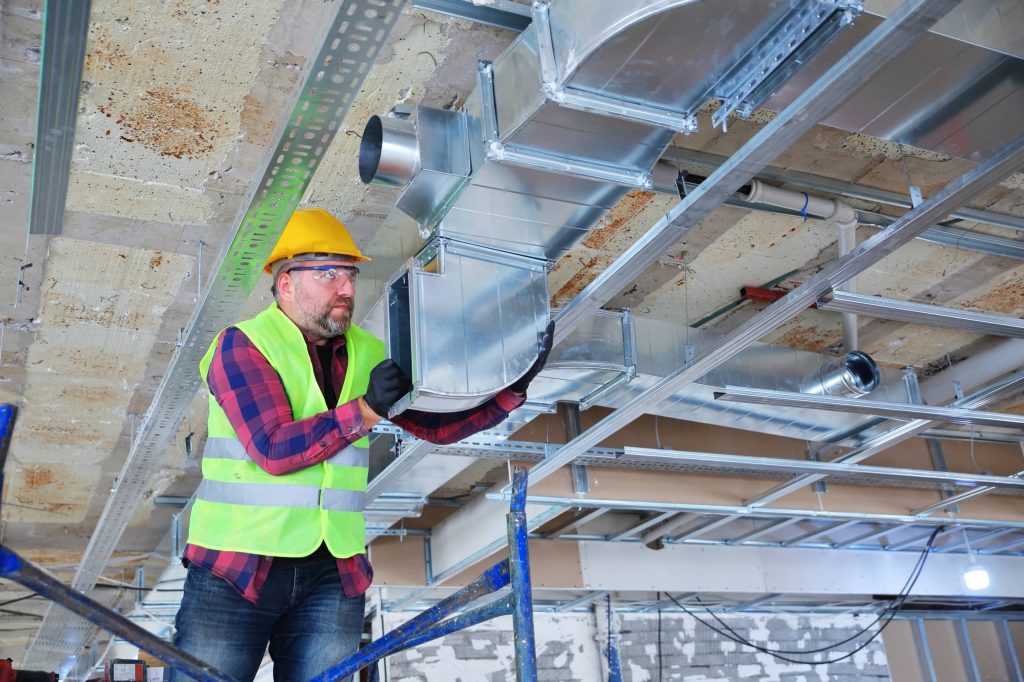
1. Why Proper HVAC System Setup Matters
An HVAC system is one of the most significant investments in any building. It regulates indoor air quality, temperature, and humidity—elements that directly affect comfort, productivity, and tenant satisfaction.
For commercial and multi-residential properties, the system must meet varying demands simultaneously: offices, retail areas, common spaces, and individual units often require different temperature zones, ventilation levels, and control systems.
Poor planning or installation can lead to:
- Uneven heating and cooling
- Increased energy bills
- Frequent maintenance issues
- Poor air quality
- Shortened equipment lifespan
A properly engineered HVAC system setup for commercial and multi-residential facilities ensures balanced airflow, efficient energy usage, and reliable comfort year-round.
2. The Unique Challenges of Commercial and Multi-Residential HVAC System Setup
Unlike single-family homes, larger facilities face complex challenges in HVAC design and operation. Each building type presents unique demands that influence equipment selection, duct design, and control strategies.
a) Multiple Zones and Occupant Needs
In a multi-residential building, each unit may have different heating and cooling needs. Similarly, commercial buildings often include mixed-use areas—such as offices, lobbies, and mechanical rooms—that operate on different schedules.
An effective HVAC system setup must provide independent zoning and precise control, ensuring every area maintains optimal comfort without wasting energy.
b) Energy Efficiency Requirements
With rising energy costs and strict building codes, efficiency is a top priority. Systems must meet or exceed local energy standards while maintaining comfort. This often involves integrating advanced controls, variable-speed drives, and energy recovery systems.
c) Space and Design Constraints
Retrofitting an HVAC system setup into an existing building can be challenging. Limited mechanical space, ceiling heights, and ventilation routes require creative engineering and compact, efficient solutions such as variable refrigerant flow (VRF) systems or rooftop units (RTUs).
d) Continuous Operation
Commercial and multi-residential systems often run 24/7, particularly in buildings with mixed-use spaces or amenities. This continuous demand places a premium on reliability and ease of maintenance.
Understanding these factors is key to creating a system that balances performance, cost, and longevity.
3. Key Components of HVAC System Setup for Commercial and Multi-Residential Facilities
A successful HVAC setup involves integrating multiple technologies to achieve comfort, air quality, and efficiency. Here are the essential elements:
Heating Equipment
Boilers, furnaces, or heat pumps provide thermal comfort in colder months. For larger facilities, high-efficiency condensing boilers or centralized hydronic systems are common solutions.
Cooling Systems
Chillers, VRF/VRV systems, or packaged rooftop units (RTUs) deliver efficient cooling for large spaces. Selecting the right system depends on building layout, climate, and energy goals.
Ventilation
Proper ventilation removes contaminants, regulates humidity, and maintains indoor air quality. Energy recovery ventilators (ERVs) or demand-controlled ventilation systems can significantly improve air quality while reducing energy use.
Ductwork and Air Distribution
Precision in duct design ensures consistent airflow throughout the building. Poorly designed ductwork can cause energy loss and uneven temperatures, undermining overall system efficiency.
Controls and Automation
Modern HVAC system setup rely heavily on digital controls and building automation systems (BAS). These smart controls allow property managers to monitor energy use, detect issues, and adjust performance remotely.
A professional HVAC system setup for commercial and multi-residential facilities integrates all these components into a seamless, high-performance network.
4. Steps in the HVAC System Setup Process
Every building is unique, so a customized approach is essential. Here’s how Branch Mechanical approaches system setup from concept to completion:
Step 1: Needs Assessment and Design
We start by evaluating your building’s layout, occupancy, and usage patterns. Load calculations are performed to determine the exact heating and cooling requirements.
Step 2: Equipment Selection
Based on the assessment, we select energy-efficient, high-performance systems suited to your specific needs and budget. We prioritize reliability, long-term maintenance ease, and compatibility with modern control systems.
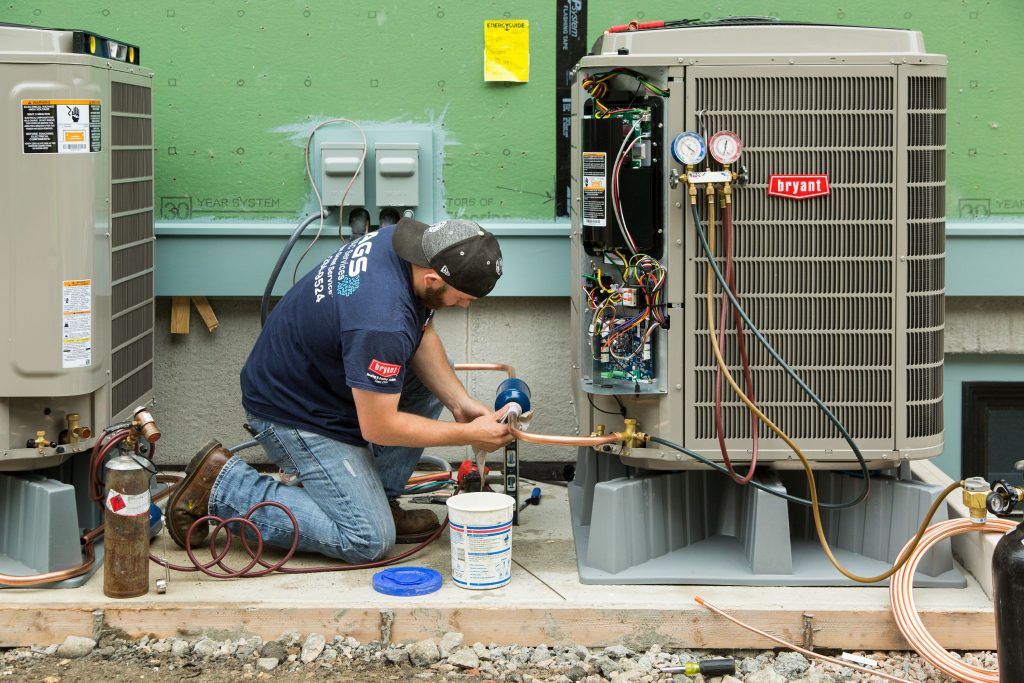
Step 3: Installation and Integration
Our certified technicians handle installation according to industry standards and manufacturer specifications. Integration with existing mechanical systems, ductwork, and electrical connections ensures smooth operation from day one.
Step 4: System Balancing and Commissioning
Once installed, the system is tested and balanced. This ensures every zone receives proper airflow and temperature control. Commissioning verifies that all components perform as designed.
Step 5: Ongoing Maintenance and Support
A proper HVAC setup is just the beginning. Regular maintenance keeps your system running efficiently for years to come. Branch Mechanical offers tailored maintenance programs to reduce downtime and extend equipment life.
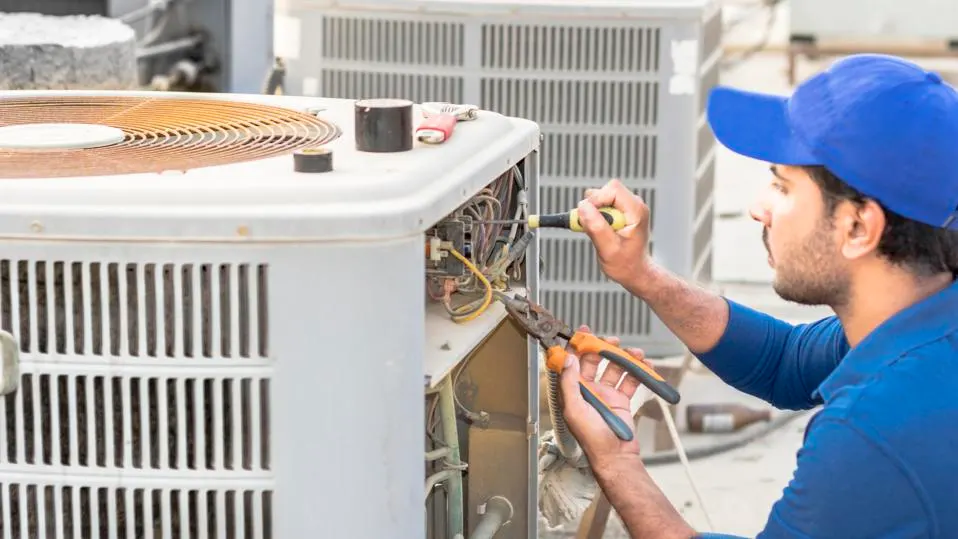
5. The Benefits of a Professional HVAC Setup
Investing in expert HVAC system setup for commercial and multi-residential facilities provides lasting advantages:
- Energy Savings: Optimized systems consume less energy, lowering operating costs.
- Comfort and Air Quality: Proper airflow and humidity control ensure a healthy, comfortable environment for occupants.
- Longevity: Professionally installed systems experience less wear, leading to fewer breakdowns.
- Scalability: Modular system designs can grow with your building’s needs.
- Regulatory Compliance: Systems are designed to meet all codes and environmental standards.
6. Common Mistakes to Avoid During HVAC Setup
Even with the best equipment, poor planning or shortcuts during installation can undermine performance. Avoid these pitfalls:
- Undersized or oversized equipment: Incorrect sizing leads to inefficiency and poor comfort control.
- Ignoring airflow balance: Uneven airflow causes hot and cold spots.
- Neglecting ventilation design: Insufficient fresh air impacts health and humidity levels.
- Skipping commissioning: Without proper testing, systems may never perform as intended.
- Overlooking future maintenance access: Technicians need adequate space to service the system later.
Partnering with a qualified mechanical contractor like Branch Mechanical ensures these costly mistakes are avoided from the start.
7. Why Choose Branch Mechanical
At Branch Mechanical, we bring extensive experience in designing and implementing HVAC system setup for commercial and multi-residential facilities throughout Ontario. Our team combines technical expertise with a client-focused approach to deliver:
- Custom-engineered solutions tailored to each building’s needs
- High-efficiency equipment from trusted manufacturers
- Comprehensive project management from design to commissioning
- Preventive maintenance programs that extend system life
- 24/7 emergency service for peace of mind
Our mission is simple: to provide HVAC system setup that perform reliably, efficiently, and sustainably—year after year.
8. Building for the Future: Sustainable HVAC Solutions
Sustainability is no longer optional—it’s a standard. Modern HVAC systems incorporate renewable energy and smart technologies to reduce environmental impact.
At Branch Mechanical, we design systems with:
- Heat recovery technologies that reuse waste heat
- Variable-speed equipment to minimize energy consumption
- Smart controls that optimize performance automatically
- Low-emission refrigerants for reduced environmental footprint
These innovations help property owners meet energy targets, lower carbon emissions, and create healthier spaces for occupants.
Conclusion
A successful HVAC system setup for commercial and multi-residential facilities isn’t just about installing equipment—it’s about engineering comfort, efficiency, and reliability into the core of your building. From design and installation to commissioning and maintenance, every step matters.
With Branch Mechanical as your HVAC partner, you gain more than a system—you gain peace of mind, lower operating costs, and the confidence that your facility is equipped for long-term performance.
Ready to optimize your building’s HVAC system?
Contact Branch Mechanical today to schedule a consultation and discover how we can design and implement a custom HVAC solution that keeps your facility running smoothly all year long.