

In today’s commercial and residential buildings, comfort is no longer a luxury—it’s an expectation. Behind that comfort is a carefully planned process that blends engineering expertise, advanced technology, and real-world building demands. HVAC System Design & Engineering plays a critical role in ensuring indoor environments are comfortable, energy-efficient, and compliant with modern regulations.
A well-designed HVAC system does more than heat and cool a space. It optimizes air quality, reduces energy costs, supports sustainability goals, and extends the life of mechanical equipment. This article explores how HVAC System Design works, why it matters, and what goes into creating systems that perform reliably for years.
What Is HVAC System Design & Engineering?
HVAC System Design & Engineering is the process of planning, calculating, and specifying heating, ventilation, and air conditioning systems tailored to a building’s unique needs. Engineers evaluate factors such as building size, layout, occupancy levels, climate conditions, and usage patterns to design a system that delivers consistent comfort while operating efficiently.
Unlike off-the-shelf solutions, professional HVAC System Design focuses on precision. Every component—from ductwork and piping to controls and equipment selection—is carefully engineered to work together as a cohesive system.
Why HVAC System Design Matters
Many HVAC problems stem from poor design rather than faulty equipment. Oversized systems cycle too frequently, wasting energy and increasing wear. Undersized systems struggle to maintain comfort, leading to complaints and higher operating costs.
A thoughtful HVAC System Design provides several key benefits:
- Improved energy efficiency through accurate load calculations
- Consistent indoor comfort across all zones
- Lower operating and maintenance costs
- Better indoor air quality and ventilation
- Compliance with building codes and energy standards
Investing in professional design early prevents expensive retrofits and performance issues later.
Key Elements of Effective HVAC System Design
1. Load Calculations
Accurate heating and cooling load calculations are the foundation of HVAC engineering. These calculations consider insulation levels, window placement, occupancy, lighting, and equipment heat loads to determine the exact capacity required.
Proper load calculations ensure the HVAC system is neither oversized nor undersized—both of which can negatively impact efficiency and comfort.
2. Equipment Selection
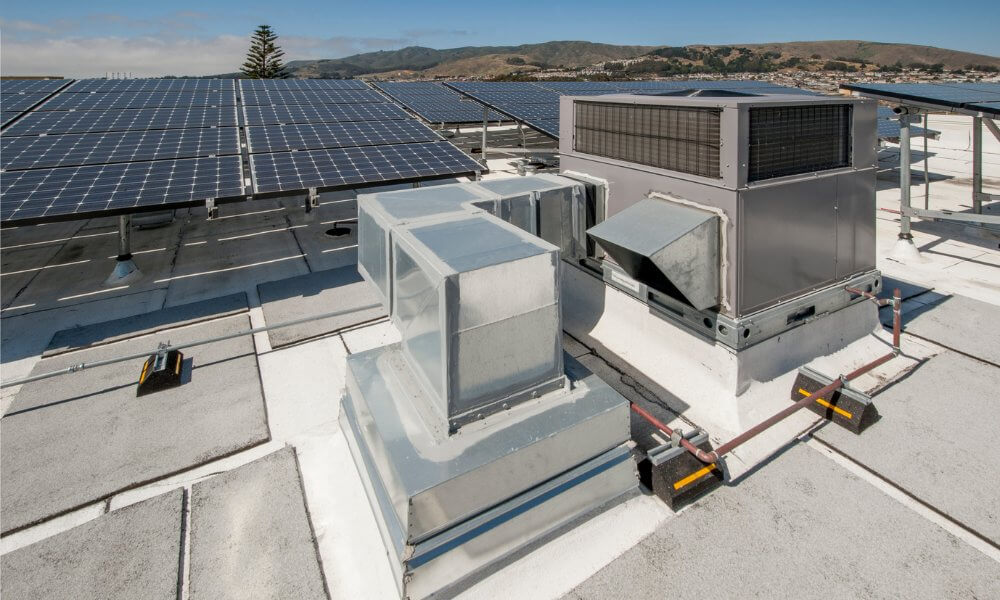
Choosing the right equipment is essential. Engineers evaluate options such as chillers, boilers, rooftop units, heat pumps, and variable refrigerant flow (VRF) systems based on performance, efficiency ratings, and building requirements.
Modern HVAC System Design often prioritizes high-efficiency equipment that supports sustainability goals and reduces long-term energy consumption.
3. Air Distribution and Ductwork Design
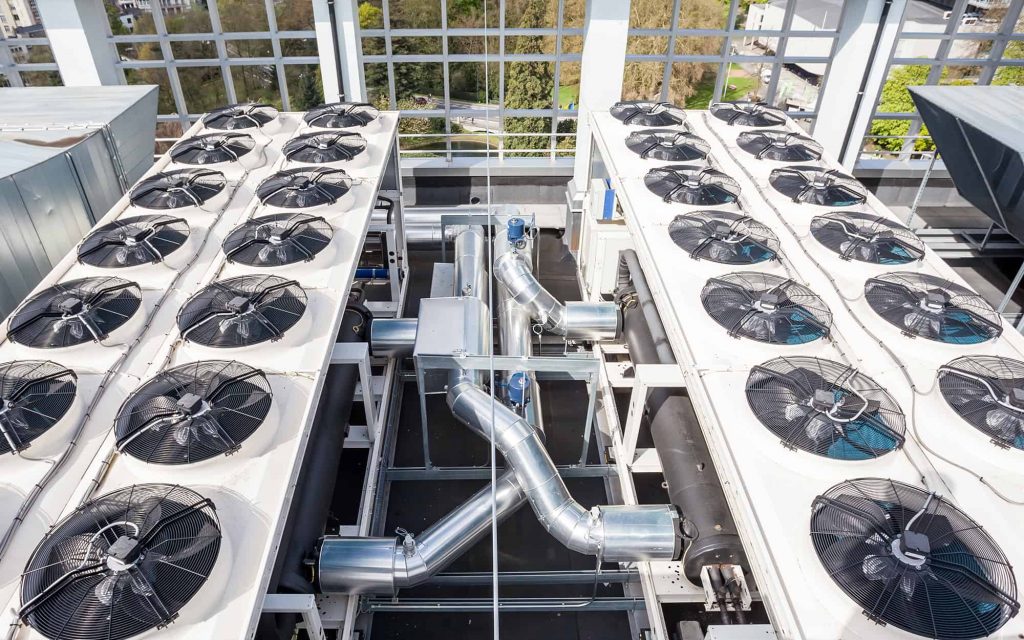
Even the most efficient HVAC equipment will underperform if air distribution is poorly designed. Engineers carefully size and layout ductwork to ensure balanced airflow, minimize pressure losses, and reduce noise.
Proper duct design improves comfort while lowering fan energy usage and maintenance demands.
4. Controls and Automation
Smart controls are a vital part of modern HVAC systems. Building automation systems (BAS) allow operators to monitor performance, adjust temperatures, and optimize energy usage in real time.
Integrated controls enhance the overall effectiveness of HVAC System Design by ensuring systems respond dynamically to occupancy and environmental changes.
5. Ventilation and Indoor Air Quality
Ventilation is no longer just about meeting minimum code requirements. Today’s designs focus on delivering fresh air while maintaining efficiency through energy recovery ventilators (ERVs) and demand-controlled ventilation.
Good HVAC engineering balances air quality with energy performance, creating healthier indoor environments.
The Role of Engineering in HVAC Performance
HVAC engineering bridges the gap between design concepts and real-world operation. Engineers analyze system interactions, simulate performance, and ensure components are properly coordinated. This level of expertise is especially critical for complex facilities such as hospitals, high-rise buildings, data centers, and industrial spaces.
Through careful engineering, HVAC System Design becomes a long-term solution rather than a short-term fix.
Energy Efficiency and Sustainability in HVAC System Design
Energy efficiency is a top priority in modern building projects. Rising energy costs and stricter environmental regulations have made sustainable HVAC solutions essential.
Effective HVAC System Design supports sustainability by:
- Reducing energy consumption through optimized equipment sizing
- Incorporating high-efficiency technologies and renewable options
- Lowering greenhouse gas emissions
- Supporting green building certifications
An energy-efficient HVAC system not only benefits the environment but also delivers measurable cost savings over its lifespan.
Common HVAC Design Mistakes to Avoid
Even experienced teams can run into issues if design steps are rushed or overlooked. Common mistakes include:
- Skipping detailed load calculations
- Ignoring future expansion or occupancy changes
- Poor coordination between architectural and mechanical plans
- Inadequate zoning and control strategies
Avoiding these pitfalls requires collaboration, planning, and professional engineering oversight.
Why Professional HVAC System Design Is a Smart Investment
While it may be tempting to cut corners during the design phase, professional HVAC System Design consistently proves its value over time. A well-engineered system reduces downtime, lowers energy bills, and delivers reliable comfort throughout the building’s life cycle.
For building owners and facility managers, partnering with experienced HVAC professionals ensures systems are designed for performance, efficiency, and durability from day one.
Conclusion
HVAC System Design & Engineering is the backbone of comfortable, efficient, and sustainable buildings. From load calculations and equipment selection to controls and air distribution, every design decision impacts long-term performance.
By prioritizing expert HVAC System Design, building owners can achieve better comfort, lower operating costs, and systems that stand the test of time. Whether for new construction or major renovations, thoughtful HVAC engineering is an investment that pays off for years to come.