

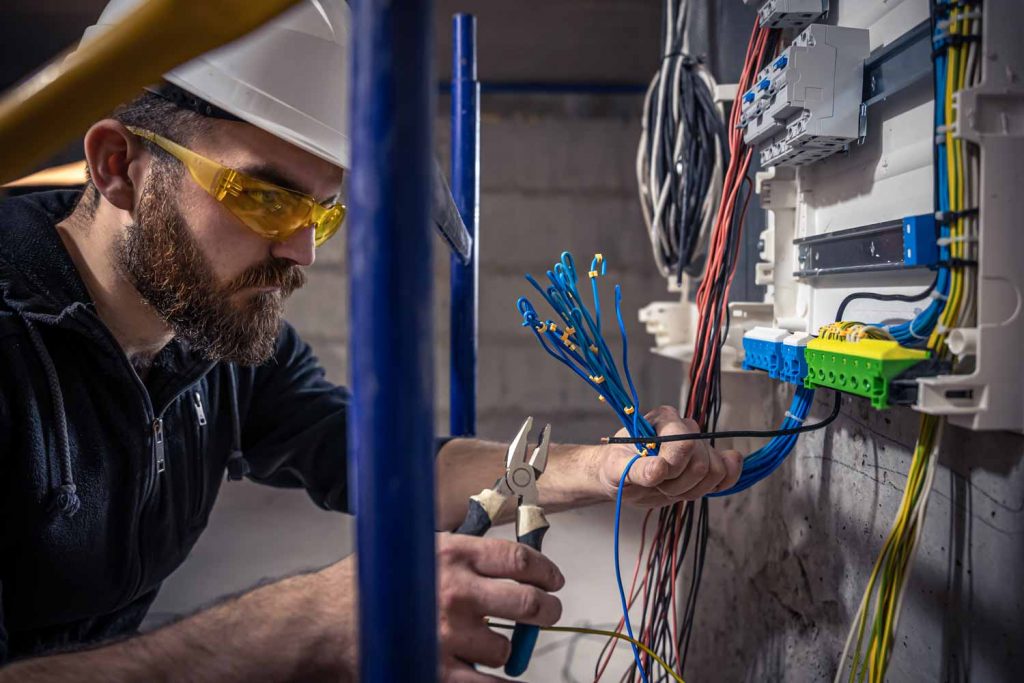
In today’s commercial and industrial environments, uninterrupted power is critical. Businesses rely on stable electrical systems to operate lighting, HVAC units, machinery, computers, security systems, and production equipment. When something goes wrong, the consequences can be expensive and disruptive. This is where electrical safety inspections play a vital role.
Rather than waiting for failures to occur, proactive inspections identify risks early, prevent costly repairs, and reduce unexpected downtime. In this article, we’ll explore how electrical safety inspections protect your facility, improve reliability, and ultimately save your business money.
What Are Electrical Safety Inspections?
Electrical safety inspections are comprehensive evaluations of a building’s electrical systems. These inspections assess wiring, panels, breakers, outlets, grounding systems, switchgear, and other components to ensure they meet current safety standards and function properly.
Professional electricians examine systems for:
- Loose or corroded connections
- Overloaded circuits
- Outdated equipment
- Improper grounding
- Code violations
- Signs of overheating
- Damaged insulation or exposed wiring
Organizations like the National Fire Protection Association establish electrical safety standards that guide inspection practices and reduce fire risks. Regular compliance with these standards helps ensure that commercial buildings remain safe and operational.
1. Early Detection of Hidden Problems
Electrical systems often develop issues silently. Wires can degrade behind walls, connections can loosen inside panels, and circuits can become overloaded over time. These problems may not show obvious signs until they cause serious damage.
Electrical safety inspections use tools like infrared thermal imaging to detect overheating components before they fail. Identifying hot spots in electrical panels or overloaded circuits early prevents:
- Equipment breakdowns
- Electrical fires
- System-wide outages
- Expensive emergency repairs
By catching issues early, businesses avoid replacing entire systems when a simple repair could have solved the problem.
2. Preventing Electrical Fires
One of the most serious risks in commercial buildings is electrical fire. Faulty wiring, damaged insulation, and overloaded circuits are leading causes of electrical-related fires.
According to guidance from the Occupational Safety and Health Administration, maintaining safe electrical systems is essential to protecting employees and property. Routine inspections ensure wiring and equipment meet safety standards and are not at risk of sparking or overheating.
Electrical safety inspections help prevent fires by:
- Identifying deteriorated wiring
- Ensuring circuit breakers function properly
- Verifying proper grounding
- Checking for arc fault risks
- Detecting improper installations
Preventing even one electrical fire can save thousands — or even millions — of dollars in damage, insurance claims, and operational losses.
3. Reducing Unexpected Downtime
Unexpected downtime is one of the most costly consequences of electrical failure. A single power disruption can halt operations, delay services, damage inventory, and harm your reputation.
For industries such as manufacturing, healthcare, retail, and data management, even a short outage can cause significant losses. Electrical safety inspections reduce this risk by ensuring all components are functioning efficiently and reliably.
During inspections, electricians test:
- Circuit breakers
- Backup generators
- Uninterruptible power supply (UPS) systems
- Transfer switches
- Distribution panels
Regular testing ensures that if a primary system fails, backup systems activate properly. This proactive approach supports business continuity and prevents revenue loss.
4. Avoiding Expensive Emergency Repairs
Emergency electrical repairs are significantly more expensive than planned maintenance. After-hours service calls, rush parts orders, and urgent labor costs can quickly add up.
Electrical safety inspections allow businesses to plan repairs in advance. Instead of reacting to a sudden breakdown, you can schedule maintenance during non-peak hours, minimizing disruption and reducing labor expenses.
Proactive inspections help you:
- Budget for repairs
- Replace aging equipment gradually
- Avoid surprise expenses
- Extend the lifespan of electrical systems
The cost of regular electrical safety inspections is small compared to the financial burden of emergency restoration services.
5. Extending Equipment Lifespan
Commercial electrical systems are major investments. Transformers, switchgear, panels, and distribution systems are designed to operate for decades — but only if they are properly maintained.
Over time, dust, corrosion, moisture, and heat can degrade electrical components. Without inspections, these factors may shorten equipment lifespan and lead to premature replacement.
Electrical safety inspections include cleaning panels, tightening connections, and identifying wear and tear before it becomes severe. This preventive care extends system life and maximizes your return on investment.
6. Ensuring Code Compliance
Electrical codes evolve as safety standards improve. Buildings that fail to meet updated codes may face fines, failed inspections, or insurance complications.
Regular electrical safety inspections ensure compliance with local and national regulations. Inspectors verify that wiring, panels, and safety devices meet current standards and recommend upgrades when necessary.
Staying compliant helps:
- Avoid legal penalties
- Maintain insurance coverage
- Protect against liability claims
- Improve tenant and employee confidence
Compliance isn’t just about avoiding fines — it’s about maintaining a safe and professional environment.
7. Improving Energy Efficiency
Electrical inefficiencies often go unnoticed but can significantly increase operational costs. Unbalanced loads, failing motors, and outdated lighting systems waste energy and strain electrical infrastructure.
Electrical safety inspections can identify opportunities to improve efficiency, such as:
- Upgrading to energy-efficient lighting
- Balancing electrical loads
- Replacing outdated panels
- Installing surge protection devices
By optimizing system performance, businesses can reduce utility bills while minimizing strain on equipment.
8. Protecting Sensitive Technology
Modern businesses rely heavily on sensitive electronics, including servers, communication systems, and automated equipment. These systems are vulnerable to power surges, voltage fluctuations, and harmonic distortions.
Electrical safety inspections assess power quality and ensure surge protection systems are in place. They also verify that grounding systems function correctly to prevent damage from electrical disturbances.
Protecting sensitive technology reduces repair costs and prevents data loss, which can be far more expensive than hardware replacement.
9. Supporting Workplace Safety
Employee safety is a top priority for any organization. Faulty outlets, exposed wiring, and malfunctioning panels can pose serious risks to staff and visitors.
Routine electrical safety inspections identify hazards before they cause injuries. Maintaining safe systems helps businesses comply with workplace safety requirements and fosters a secure working environment.
When employees feel safe, productivity and morale improve — an often-overlooked benefit of regular inspections.
10. Building a Preventive Maintenance Strategy
Electrical safety inspections should be part of a comprehensive preventive maintenance plan. Rather than viewing inspections as a one-time requirement, businesses should schedule them regularly — typically annually or bi-annually, depending on building usage.
A strong maintenance strategy includes:
- Routine visual inspections
- Thermal imaging assessments
- Load testing
- Backup power testing
- Detailed reporting and documentation
By partnering with a qualified electrical professional, businesses can develop a customized inspection schedule that aligns with operational needs and risk levels.
Final Thoughts
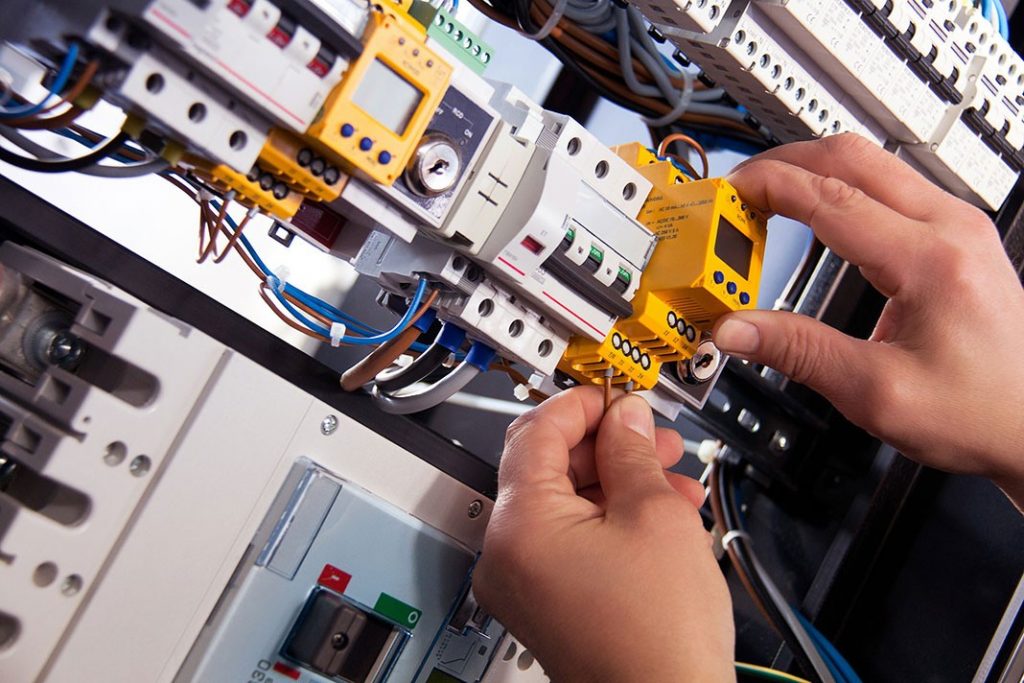
Electrical failures are unpredictable, costly, and often preventable. Investing in regular electrical safety inspections is one of the most effective ways to avoid expensive repairs and unexpected downtime.
From preventing fires and protecting sensitive equipment to ensuring compliance and improving efficiency, inspections deliver both immediate and long-term value. Instead of waiting for a crisis, proactive inspection programs allow businesses to maintain safe, reliable, and high-performing electrical systems.
In today’s competitive environment, minimizing downtime and controlling costs is essential. Electrical safety inspections are not just a regulatory requirement — they are a smart business strategy that protects your property, employees, and profitability.