
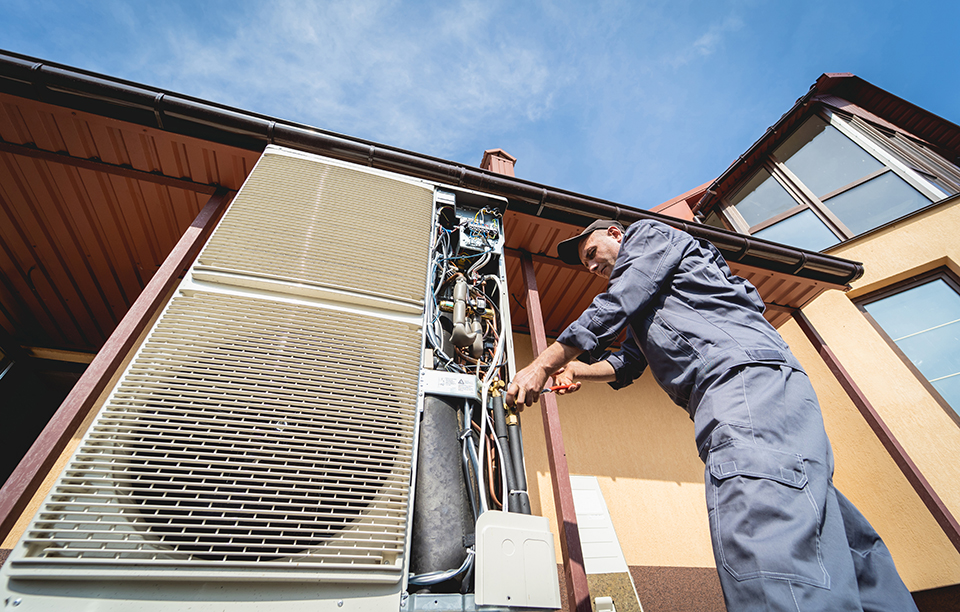
A reliable cooling system is essential for maintaining comfort in your home, especially during hot summer months. Whether you rely on a central air conditioner, heat pump, or other HVAC equipment, your cooling system works hard to keep indoor temperatures comfortable. Over time, normal wear and tear can lead to various issues that require attention. Understanding cooling system repairs can help homeowners recognize early warning signs, avoid costly breakdowns, and maintain efficient performance.
In this guide, we’ll explore some of the most common cooling system repairs every homeowner should know, along with tips on when to call a professional technician.
1. Refrigerant Leaks
Refrigerant is the substance responsible for absorbing heat from inside your home and releasing it outdoors. If your system develops a refrigerant leak, the cooling performance will drop significantly.
Signs of a Refrigerant Leak
- Warm air blowing from vents
- Reduced cooling efficiency
- Ice forming on refrigerant lines or evaporator coils
- Hissing or bubbling sounds near the unit
When refrigerant levels drop, your cooling system must work harder to maintain the desired temperature. This not only increases energy bills but also places unnecessary stress on components like the compressor.
Repair Solution
A qualified HVAC technician will locate the leak, repair the damaged line, and recharge the refrigerant to the proper level. Refrigerant handling requires specialized tools and training, so this type of cooling system repair should always be handled by professionals.
2. Dirty or Clogged Air Filters
One of the simplest yet most common cooling system issues is a clogged air filter. Over time, dust, dirt, and debris accumulate in the filter, restricting airflow throughout the system.
Symptoms of a Dirty Filter
- Weak airflow from vents
- Uneven cooling throughout the home
- Increased energy consumption
- Dust buildup around vents
Restricted airflow forces your cooling system to work harder, which can lead to overheating and premature wear on components.
Repair and Prevention
Replacing or cleaning your air filter regularly is one of the easiest ways to prevent unnecessary cooling system repairs. Most homeowners should change filters every 1–3 months, depending on usage and indoor air quality.
3. Frozen Evaporator Coils
The evaporator coil plays a crucial role in absorbing heat from indoor air. However, when airflow becomes restricted or refrigerant levels drop, the coil can freeze.
Signs of Frozen Coils
- Ice buildup on the indoor unit
- Reduced cooling performance
- Water leaks when ice melts
- System running continuously without cooling properly
Frozen coils prevent your cooling system from functioning efficiently and can cause serious damage if left unresolved.
Repair Process
Technicians typically address frozen coils by:
- Turning off the system to allow the ice to melt
- Checking airflow restrictions
- Inspecting refrigerant levels
- Cleaning dirty coils
Regular maintenance can prevent this common cooling system repair issue.
4. Faulty Thermostat
Sometimes the cooling problem isn’t the HVAC unit itself but the thermostat controlling it. A malfunctioning thermostat can cause inaccurate temperature readings or prevent the system from turning on and off properly.
Common Thermostat Issues
- Incorrect temperature settings
- System not responding to thermostat commands
- Frequent cycling on and off
- Blank or unresponsive display
Repair Options
Depending on the issue, repairs may include recalibration, wiring adjustments, battery replacement, or upgrading to a modern programmable or smart thermostat.
Fixing thermostat problems is often one of the quickest cooling system repairs, yet it can significantly improve system efficiency and comfort.
5. Electrical Component Failures
Cooling system repairs rely on several electrical components to operate correctly. Over time, components like capacitors, relays, and contactors can wear out or fail.
Signs of Electrical Issues
- System not starting
- Clicking or buzzing sounds
- Intermittent operation
- Circuit breaker trips
Electrical failures can prevent your system from operating safely and efficiently.
Professional Repair
HVAC technicians use diagnostic tools to identify faulty components and replace them. Because electrical systems can be hazardous, this type of cooling system repair should always be handled by trained professionals.
6. Drain Line Clogs
Your cooling system repairs removes humidity from indoor air, producing condensation that flows through a drain line. Over time, algae, dirt, and debris can clog the line.
Symptoms of a Clogged Drain Line
- Water pooling around the indoor unit
- Musty odors
- System shutting down due to safety sensors
- Increased indoor humidity
Repair and Maintenance
Technicians typically clear the drain line using specialized tools or flushing solutions. Routine maintenance and periodic cleaning help prevent this type of cooling system repair.
7. Fan Problems
Both indoor and outdoor fans play an important role in circulating air through your cooling system. If these fans fail, the system may struggle to cool your home effectively.
Warning Signs
- Loud or unusual noises
- Weak airflow
- Outdoor unit overheating
- System shutting down unexpectedly
Repair Options
Fan repairs may involve replacing worn belts, lubricating motors, or installing new fan blades. Prompt repairs help prevent further damage to the system.
8. Compressor Issues
The compressor is often considered the heart of the cooling system. It circulates refrigerant through the system and enables the cooling process.
Signs of Compressor Trouble
- Loud banging or clanking sounds
- Reduced cooling efficiency
- Frequent system shutdowns
- High energy bills
Compressor repairs are usually more complex and costly compared to other cooling system repairs, which is why early detection and regular maintenance are so important.
The Importance of Regular Cooling System Maintenance
While some cooling system repairs are unavoidable, many issues can be prevented with regular maintenance. Annual inspections allow technicians to identify minor problems before they become major repairs.
Benefits of Routine Maintenance
- Improved energy efficiency
- Longer system lifespan
- Reduced risk of breakdowns
- Lower repair costs over time
- Better indoor comfort and air quality
A professional maintenance visit typically includes cleaning components, checking refrigerant levels, inspecting electrical connections, and ensuring all parts are functioning properly.
When to Call a Professional
Although homeowners can handle simple tasks like replacing air filters, most cooling system repairs require professional expertise. If you notice unusual noises, weak airflow, water leaks, or poor cooling performance, it’s best to schedule an inspection promptly.
Professional technicians have the tools and training to diagnose issues accurately and restore your system safely.
Final Thoughts
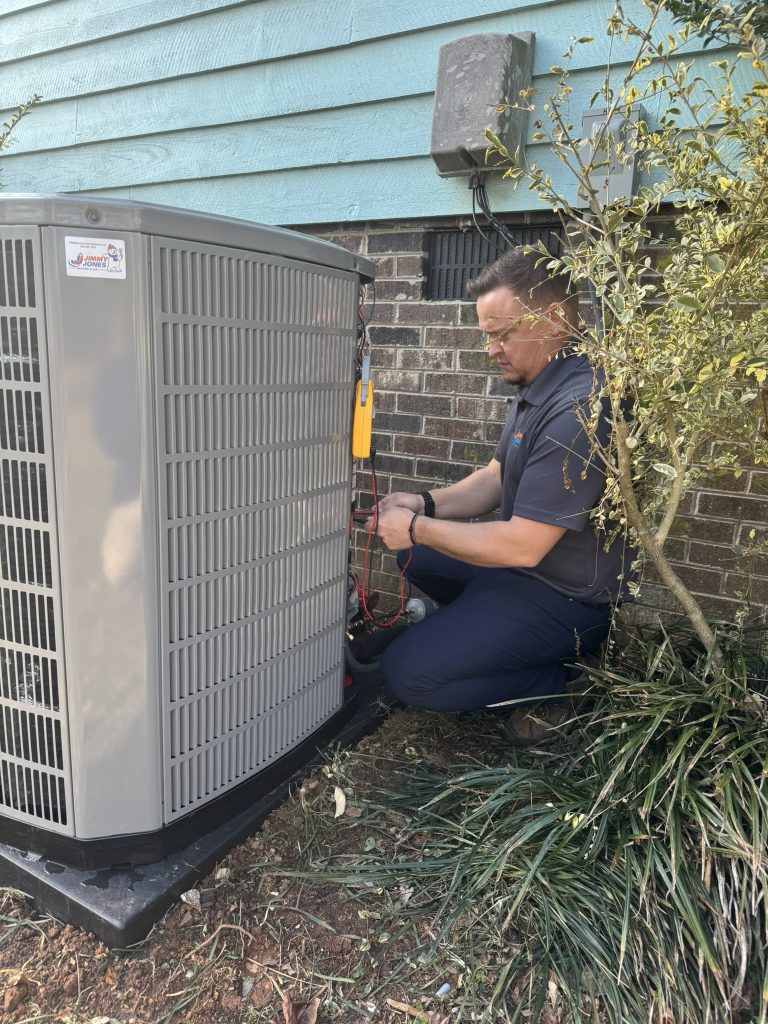
Your home’s cooling system repairs plays a critical role in maintaining comfort and indoor air quality. By understanding the most common cooling system repairs, homeowners can recognize warning signs early and take action before small problems turn into expensive breakdowns.
From refrigerant leaks and frozen coils to thermostat malfunctions and clogged drain lines, addressing issues promptly helps keep your system running efficiently. Regular maintenance and professional inspections are the best ways to extend the life of your cooling system repairs and ensure reliable performance throughout the year.
Staying proactive with maintenance and repairs not only saves money but also ensures your home remains cool and comfortable when you need it most.