
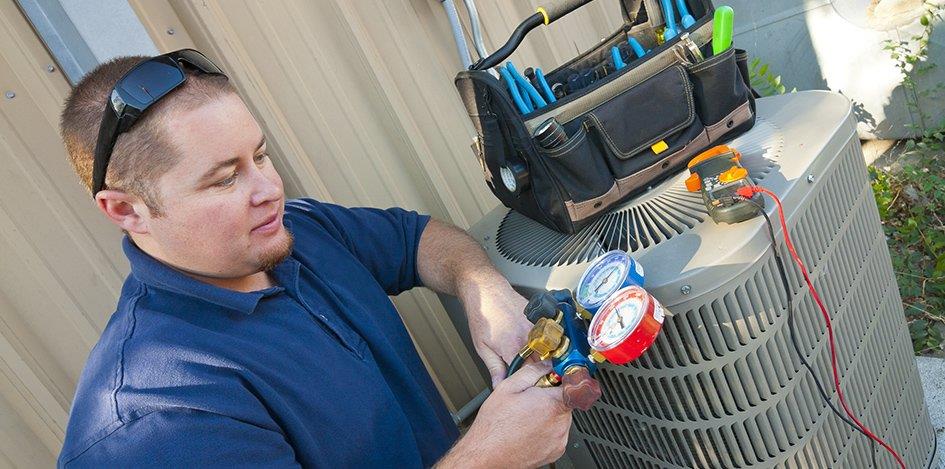
A reliable cooling system is essential for maintaining comfort in your home or business, especially during the warmer months. Whether you rely on a central air conditioning unit, heat pump, or another type of HVAC system, keeping it in good condition is critical for performance and efficiency. One of the best ways to ensure long-term reliability is through regular cooling system maintenance.
Many homeowners overlook routine maintenance until their system stops working. Unfortunately, waiting until a breakdown occurs can lead to costly repairs, uncomfortable indoor temperatures, and even premature system replacement. With proper care and timely servicing, you can extend the lifespan of your cooling equipment and avoid unexpected problems.
In this guide, we’ll explore why regular cooling system maintenance is important, common issues it can prevent, and the key steps homeowners should take to keep their systems running smoothly.
Why Cooling System Maintenance Is Essential
Your cooling system is made up of many components that work together to regulate indoor temperature and humidity. Over time, these parts experience wear and tear. Dust, dirt, and debris can also accumulate inside the system, affecting its efficiency.
Regular cooling system maintenance helps identify small issues before they develop into major problems. Professional inspections and tune-ups ensure that each component is operating correctly and efficiently.
Key Benefits of Routine Maintenance
1. Prevents Costly Breakdowns
Routine inspections allow technicians to detect minor issues early. Addressing these problems promptly can prevent expensive repairs or system failure.
2. Improves Energy Efficiency
A well-maintained cooling system operates more efficiently, reducing energy consumption and lowering monthly utility bills.
3. Extends System Lifespan
Regular servicing reduces strain on the system’s components, helping your equipment last longer.
4. Enhances Indoor Comfort
Proper maintenance ensures consistent airflow and temperature control throughout your home.
5. Improves Indoor Air Quality
Cleaning filters and components helps remove dust, allergens, and pollutants from your indoor air.
Common Problems Prevented by Cooling System Maintenance
Many cooling system issues develop gradually and can be prevented through regular inspections and cleaning.
Refrigerant Leaks
Refrigerant is essential for absorbing heat from indoor air. When refrigerant levels drop due to leaks, the system struggles to cool your home effectively. Routine cooling system maintenance includes checking refrigerant levels and inspecting lines for leaks.
Frozen Evaporator Coils
Evaporator coils can freeze when airflow is restricted or refrigerant levels are low. Frozen coils prevent the system from cooling properly and can cause serious damage if left unresolved.
Regular maintenance ensures proper airflow and clean coils, reducing the risk of freezing.
Dirty Air Filters
Clogged air filters restrict airflow and force the system to work harder. This can increase energy consumption and cause overheating.
Replacing or cleaning filters regularly is one of the simplest and most effective maintenance tasks homeowners can perform.
Electrical Component Failures
Cooling systems rely on several electrical parts, including capacitors, relays, and wiring connections. Over time, these components can wear out or loosen.
Routine cooling system maintenance includes inspecting electrical connections and replacing worn parts before they fail.
Drain Line Blockages
Air conditioning systems produce condensation that flows through a drain line. If the line becomes clogged with dirt or algae, water can back up into the system.
Maintenance visits typically include cleaning the drain line to prevent water damage and humidity issues.
Essential Cooling System Maintenance Tasks
Proper cooling system maintenance involves both homeowner responsibilities and professional servicing.
Tasks Homeowners Can Perform
Homeowners can take several simple steps to keep their cooling systems operating efficiently.
Replace Air Filters Regularly
Air filters should typically be replaced every one to three months, depending on system usage and indoor air quality.
Keep Outdoor Units Clean
Leaves, dirt, and debris can accumulate around the outdoor condenser unit. Clearing this debris ensures proper airflow and system performance.
Check Thermostat Settings
Ensure your thermostat is functioning properly and set to the desired temperature. Consider upgrading to a programmable or smart thermostat for better efficiency.
Inspect Air Vents
Make sure vents and registers are not blocked by furniture or curtains, as restricted airflow can affect cooling performance.
Professional Maintenance Tasks
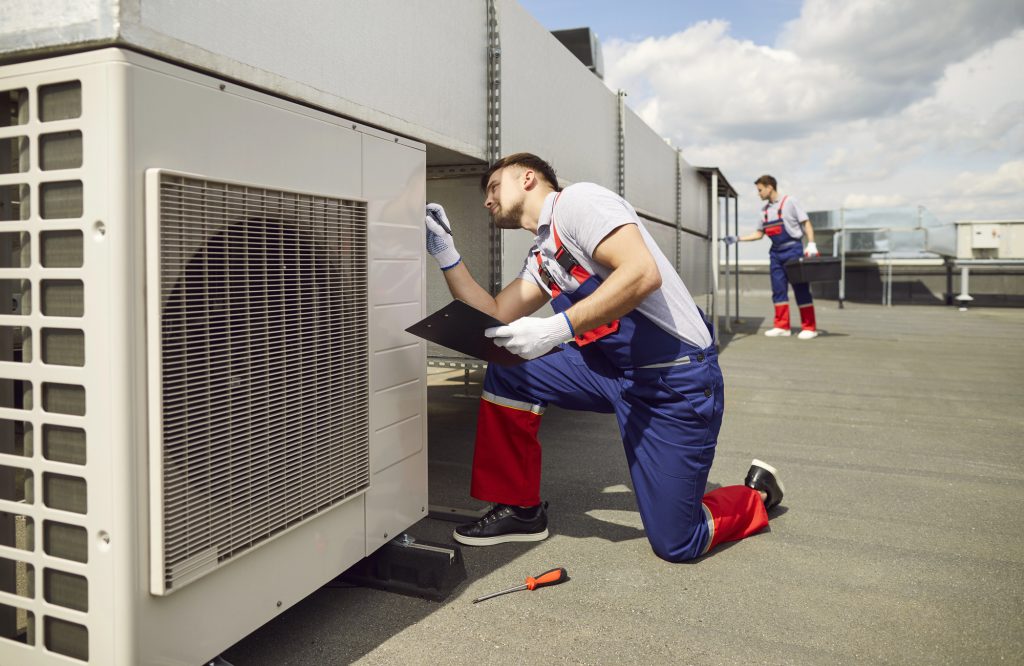
While homeowners can handle basic upkeep, professional HVAC technicians perform more detailed inspections and adjustments.
During a maintenance visit, technicians typically:
- Inspect and clean condenser and evaporator coils
- Check refrigerant levels and pressure
- Inspect electrical connections and components
- Lubricate moving parts
- Clean condensate drain lines
- Test thermostat operation
- Evaluate system performance
These comprehensive checks help ensure your cooling system is operating safely and efficiently.
How Often Should Cooling System Maintenance Be Performed?
Most experts recommend scheduling professional cooling system maintenance at least once a year, ideally before the start of the cooling season.
Spring is often the best time for a maintenance visit because it prepares the system for heavy summer use. However, systems that run frequently or operate in dusty environments may benefit from more frequent inspections.
Warning Signs Your Cooling System Needs Immediate Maintenance
Even with regular servicing, problems can occasionally develop. Recognizing warning signs early can help prevent serious damage.
Common signs include:
- Weak airflow from vents
- Warm air coming from the system
- Unusual noises such as grinding or buzzing
- Higher than normal energy bills
- Frequent system cycling
- Water leaks near the indoor unit
If you notice any of these issues, it’s important to schedule a professional inspection as soon as possible.
Long-Term Savings Through Preventive Maintenance
Many homeowners hesitate to schedule maintenance because they want to avoid additional expenses. However, routine cooling system maintenance often saves money in the long run.
Preventive servicing reduces the likelihood of major breakdowns, which can cost hundreds or even thousands of dollars to repair. It also helps your system operate more efficiently, lowering monthly energy costs.
Additionally, many manufacturers require proof of regular maintenance to keep warranties valid. Skipping maintenance could result in losing valuable warranty coverage.
Final Thoughts
Your cooling system plays a vital role in keeping your home comfortable, especially during hot weather. By investing in regular cooling system maintenance, homeowners can prevent costly breakdowns, improve energy efficiency, and extend the lifespan of their equipment.
Simple tasks like replacing air filters and keeping outdoor units clean can make a big difference. Combined with professional inspections and tune-ups, these steps help ensure your cooling system operates reliably throughout the year.
Taking a proactive approach to maintenance not only saves money but also provides peace of mind, knowing your system will perform when you need it most.